
The Ultimate Guide to Choosing the Right Dog Leash

For every dog owner, the dog leash is more than just a simple cord; it is a vital communication tool and a lifeline that ensures the safety of your pet in a public environment. Whether you are navigating busy city streets or exploring rugged mountain trails, the right leash provides the necessary control while allowing your dog the freedom to explore their surroundings. Understanding the nuances of different equipment is crucial, especially when you consider why dogs are humanity's best friends and the unbreakable bond we share with them. Choosing the appropriate gear is the first step in honoring that bond through safe and enjoyable outdoor adventures.
Table of Contents
1. Understanding Different Dog Leash Types 2. The Importance of Dog Leash Material 3. Determining the Ideal Dog Leash Length 4. Specialized Gear: Retractable and Durable Dog Leash Options 5. Dog Leash Training Techniques for Better Walks 6. Maintenance and Safety Considerations
Understanding Different Dog Leash Types
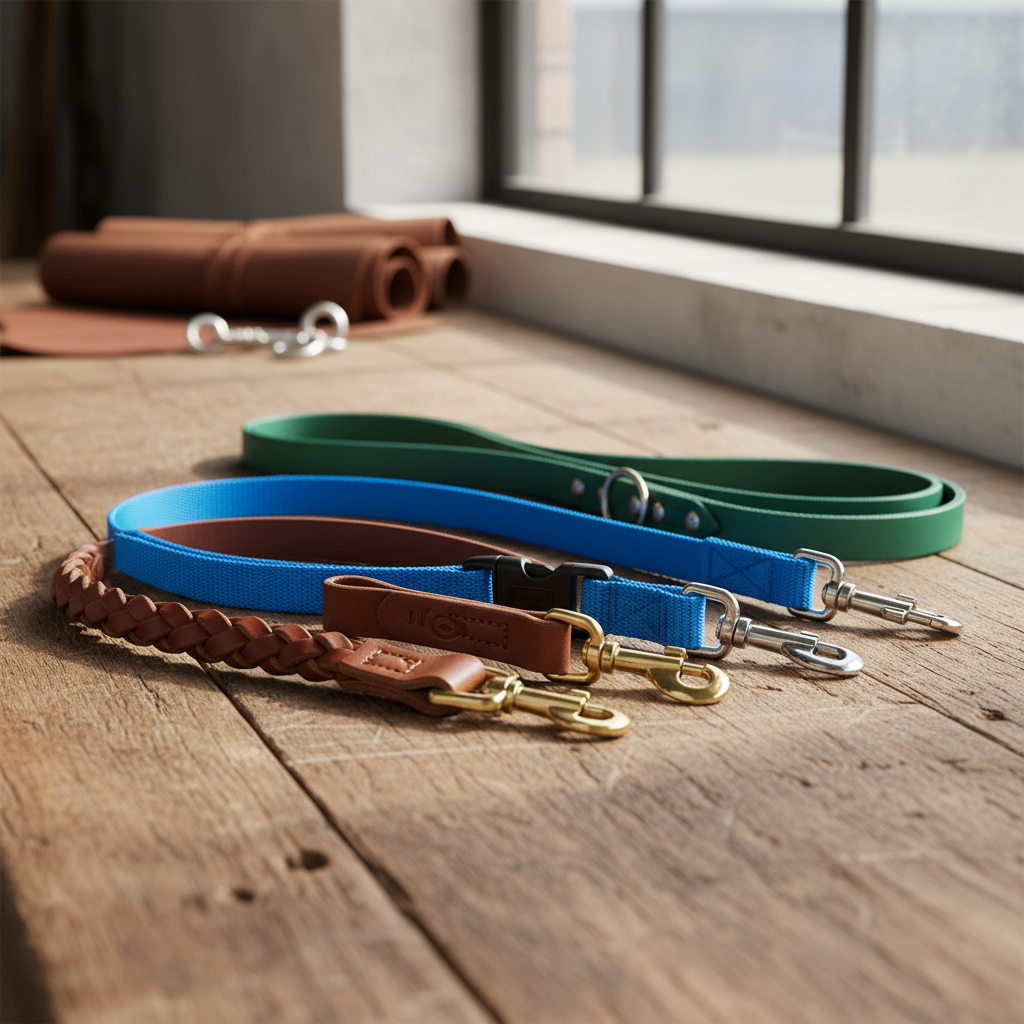
The market is saturated with various dog leash types, each designed with a specific purpose in mind. From standard flat leashes to specialized training leads, the choice can be overwhelming for new owners. When performing a professional analysis of domestic companionship, experts often emphasize that the leash is the primary interface between human and animal.
The Standard Flat Leash
The standard flat leash is the most common variety used for daily walks. Usually ranging from four to six feet, these leashes are reliable, easy to handle, and suitable for most breeds. They are typically made from nylon or leather and feature a loop handle at one end and a metal trigger snap at the other.
Martingale and Slip Leads
Slip leads and martingale leashes are often used in professional settings, such as shelters or during quick transitions. A slip lead creates a loop that tightens slightly when the dog pulls, providing immediate feedback. These should be used with caution and primarily for short durations or specific training scenarios where a collar is not present.
Standard Leashes: Ideal for daily walks and basic obedience.
Long Lines: Used for recall training and giving more freedom in open spaces.
Double-Handle Leashes: Features a second handle closer to the dog for high-traffic situations.
Hands-Free Leashes: Designed to be worn around the waist, perfect for jogging.
The Importance of Dog Leash Material
Selecting the right dog leash material is not just an aesthetic choice; it impacts the durability, comfort, and grip of the tool. Different materials react differently to weather conditions and the physical strength of the dog. For those interested in understanding key differences for pet owners, material science plays a significant role in gear selection.
Nylon: The Versatile Choice
Nylon is the most popular material due to its affordability and variety. It is lightweight, comes in endless colors, and is easy to clean. However, it can cause 'leash burn' if a dog pulls suddenly, and it is prone to fraying if your pet is a heavy chewer.
Leather: The Professional Standard
A high-quality leather leash is often considered the best dog leash for long-term use. Leather is exceptionally durable and becomes softer and more comfortable in the hand over time. While it requires more maintenance, such as occasional conditioning, it offers a level of grip and prestige that synthetic materials cannot match.
Biothane: A waterproof, stink-proof synthetic material that mimics leather.
Chain: Heavily durable but heavy; primarily used for dogs that chew through other materials.
Reflective Nylon: Essential for safety during late-night or early-morning walks.
Determining the Ideal Dog Leash Length
The dog leash length you choose dictates the balance between control and freedom. A leash that is too short may cause tension and stress, while one that is too long can be hazardous in crowded urban environments.
The Four-Foot Leash
This length is ideal for high-traffic areas where you need your dog close to your side. It prevents the dog from wandering into the path of cyclists or other pedestrians, making it a staple for city dwellers.
The Six-Foot Leash
Widely regarded as the standard length for most walks, the six-foot leash allows the dog enough room to sniff and explore while remaining under the owner's immediate control. It is the preferred length for most basic training sessions.
Assess your walking environment (urban vs. rural).
Consider your dog's height and your own height.
Evaluate the level of training and reliability of your dog's 'heel' command.
Select a length that prevents the leash from dragging on the ground.
Specialized Gear: Retractable and Durable Dog Leash Options
When standard equipment isn't enough, specialized options like a retractable dog leash or a heavy-duty durable dog leash become necessary. These tools serve specific niches in the pet ownership experience.
The Debate Over Retractable Leashes
A retractable dog leash offers maximum freedom, allowing a dog to move up to 20 feet away. However, they are often criticized by professional trainers. Because the line is always under slight tension, it can inadvertently teach a dog that pulling is necessary to move forward. Furthermore, the thin cords can cause injuries if they wrap around legs or fingers.
Investing in a Durable Dog Leash
For owners of large, powerful breeds, a durable dog leash is a non-negotiable safety item. These are often made from climbing-grade rope or reinforced thick leather. They feature heavy-duty hardware, such as aviation-aluminum carabiners, to ensure that the connection between dog and owner never fails under pressure.
Dog Leash Training Techniques for Better Walks
Possessing the best gear is only half the battle; effective dog leash training is the other. A dog that pulls can turn a relaxing stroll into a stressful chore. Training focuses on 'loose leash walking,' where the dog maintains a slack line while staying near the owner.
The 'Stop and Go' Method
One of the most effective techniques for pullers is the stop-and-go method. The moment the leash becomes taut, the owner stops moving. Movement only resumes when the dog returns to a position that creates slack in the leash. This teaches the dog that pulling actually prevents them from reaching their destination.
Using Positive Reinforcement
Rewarding your dog for staying by your side is essential. Using high-value treats and verbal praise reinforces the desired behavior. Over time, the dog associates walking calmly on the dog leash with positive outcomes. This is a core tenet of why canines reign supreme as companions—their willingness to learn and please their owners is unmatched.
Start training in a low-distraction environment like your hallway or backyard.
Keep training sessions short (5-10 minutes) to maintain focus.
Use a front-clip harness for extra leverage with strong pullers.
Consistency is key; never allow pulling on some walks but not others.
Maintenance and Safety Considerations
No matter how durable your dog leash is, it requires regular inspection. Exposure to UV rays, moisture, and dirt can degrade materials over time. A failing leash is a significant safety risk that can lead to accidents or lost pets.
Routine Inspections
Owners should check for fraying in nylon, cracking in leather, and rust or stiffness in the metal clips. If the spring mechanism in a carabiner or bolt snap feels sluggish, it is time to replace the leash. Safety should always be the priority.
Cleaning Your Gear
Nylon leashes can typically be hand-washed with mild soap and air-dried. Leather leashes should be wiped with a damp cloth and treated with a leather conditioner to prevent them from becoming brittle. Keeping your gear clean ensures it remains comfortable for both you and your dog.
Conclusion
In conclusion, the humble dog leash is an indispensable component of responsible pet ownership. By understanding the various dog leash types, selecting the appropriate dog leash material, and committing to consistent dog leash training, you can ensure that every walk is a safe and enriching experience. Whether you opt for a standard flat lead or a specialized durable dog leash, your choice should reflect the specific needs of your pet and your lifestyle. Investing in high-quality equipment today will pay dividends in the security and happiness of your canine companion for years to come.
If you are unsure which gear is best suited for your specific breed or training goals, our team is here to help. We offer professional guidance on selecting the perfect tools to enhance your relationship with your pet.
Frequently Asked Questions
What is the best dog leash for a dog that pulls?
For dogs that pull, a standard 4-to-6 foot nylon or leather leash paired with a front-clip harness is usually best. Avoid retractable leashes, as they can encourage pulling behavior.
How often should I replace my dog leash?
You should inspect your leash weekly for signs of wear such as fraying, cracking, or hardware rust. Most high-quality leashes last 1-3 years depending on usage and maintenance.
Are retractable leashes safe?
Retractable leashes can be safe in wide-open, low-traffic areas with well-trained dogs. However, they pose risks of rope burns and lack of control in busy environments.
What is the ideal dog leash length for city walking?
A 4-foot leash is generally ideal for city walking as it keeps your dog close to your side and out of the way of pedestrians and traffic.
Can I use a slip lead for everyday walks?
Slip leads are generally intended for training or quick transitions. For everyday walks, a standard leash attached to a flat collar or harness is safer and more comfortable for the dog.
What is Biothane and is it better than leather?
Biothane is a polyester webbing with a TPU or PVC coating. It is waterproof and easy to clean, making it an excellent alternative to leather for dogs that enjoy swimming or muddy environments.
Comments