Choosing the Right Office Chair: A Comprehensive Guide
- primestackapps
- Jan 30
- 5 min read

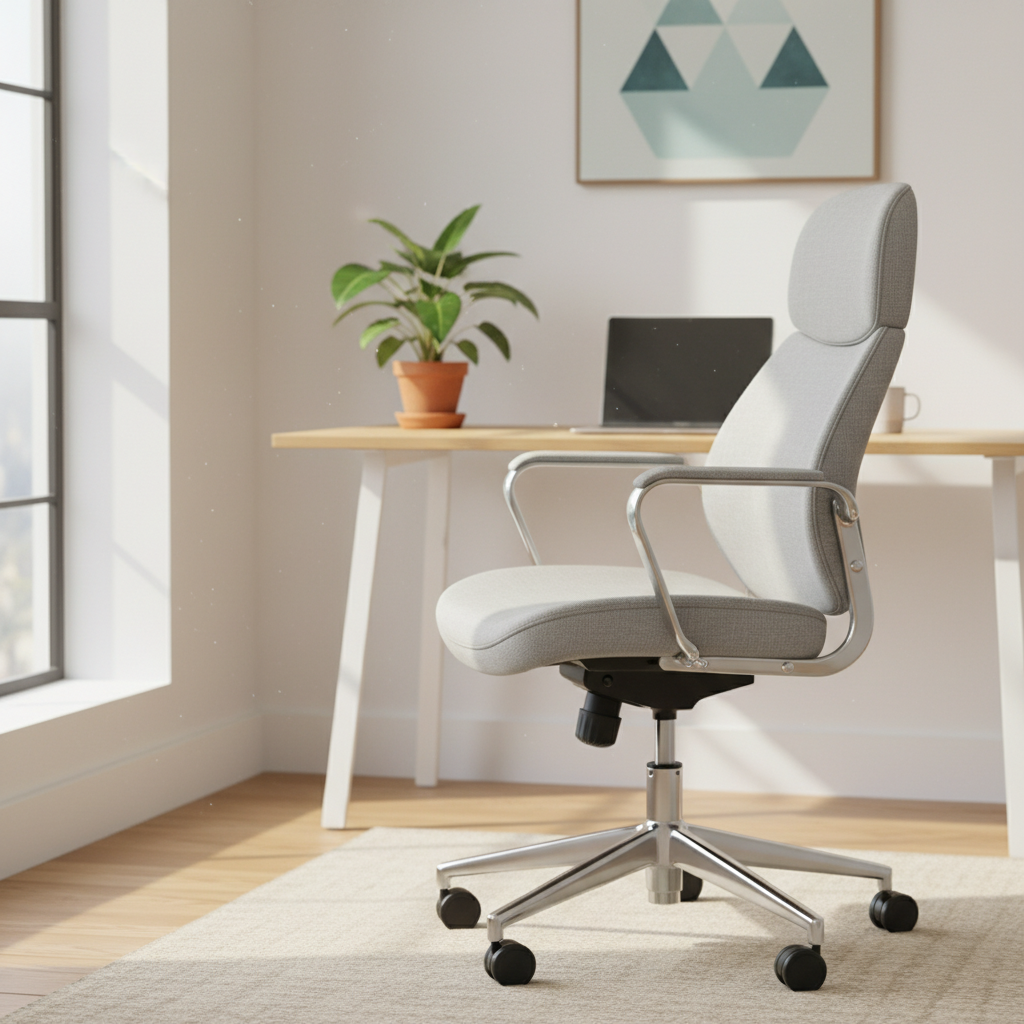
In the modern professional landscape, the average office worker spends upwards of 1,900 hours per year seated at a desk. This staggering statistic underscores the reality that your office chair is perhaps the most critical tool in your professional arsenal. Far more than a mere piece of furniture, a high-quality desk chair serves as the foundation for your physical health, mental focus, and overall career longevity. Whether you are navigating a high-stakes corporate environment or managing a dedicated home office, understanding the science behind seating is essential for maintaining a pain-free lifestyle.
The Evolution of the Office Chair: From Utility to Ergonomics
The history of the office chair is a fascinating journey of human-centric design. Historically, chairs were symbols of status rather than comfort. However, as the industrial revolution shifted the workforce toward administrative tasks, the need for specialized seating became apparent. Today, the focus has shifted entirely toward the ergonomic chair, a sophisticated machine designed to support the human body's natural curvature and movement.
Why Ergonomics Matters for Professionals
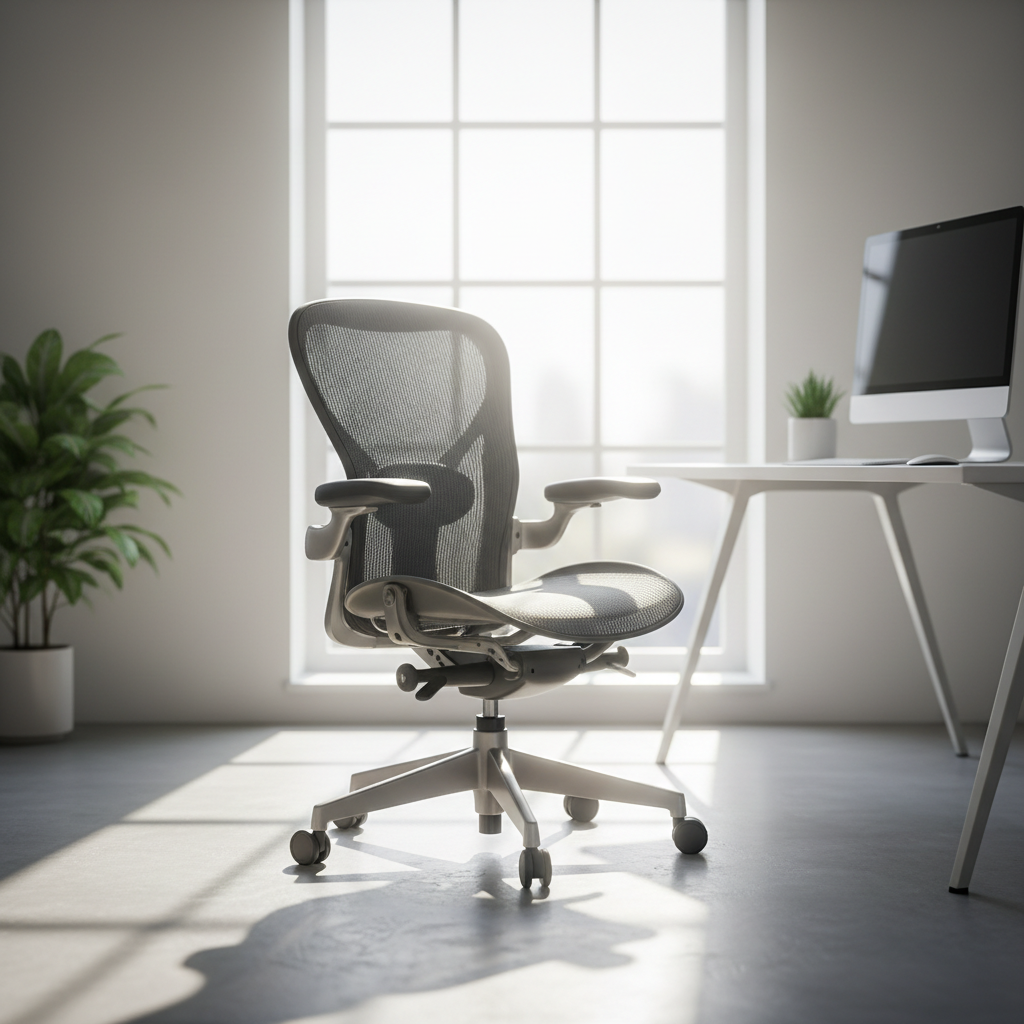
Ergonomics is the study of people's efficiency in their working environment. When applied to an office chair, it refers to a design that minimizes physical strain and maximizes comfort. Investing in an ergonomic chair is not just about luxury; it is a proactive measure against musculoskeletal disorders. To understand the full scope of benefits, you might find it helpful to read The Ultimate Guide to Choosing the Right Chair which breaks down the selection process in detail.
Key Features of the Best Office Chair
When searching for the best office chair, you must look beyond aesthetics. A truly comfortable office chair is defined by its adjustability. Since no two bodies are the same, a one-size-fits-all approach to office furniture is inherently flawed. You require a seat that can be tailored to your specific height, weight, and posture requirements.
Lumbar Support and Spinal Alignment
The most vital component of any chair for back pain is lumbar support. Your lower spine has a natural inward curve; sitting for long periods without support leads to slouching, which flattens this curve and strains the lower discs. A high-quality office chair will feature an adjustable lumbar mechanism that allows you to fit the support into the small of your back perfectly.
Adjustable Armrests and Seat Depth
Armrests should allow your shoulders to remain relaxed and your elbows to stay at a 90-degree angle. If they are too high, you will experience neck tension; if they are too low, you risk forearm strain. Similarly, seat depth is crucial. You should be able to sit with your back against the backrest while leaving two to four inches between the back of your knees and the seat edge.
Pneumatic height adjustment for proper foot placement
Tilt tension control to manage the ease of reclining
360-degree swivel for easy access to different areas of your desk
Breathable mesh or high-quality upholstery for temperature regulation
Dynamic headrests for neck support during deep focus
The Impact of Seating on Productivity and Health
The correlation between a comfortable office chair and professional output is well-documented by workplace health experts. When your body is in pain, your brain diverts resources to manage that discomfort, reducing your cognitive capacity for complex tasks. By eliminating the distraction of physical ache, you unlock higher levels of concentration.
Combating the Sedentary Lifestyle
While a great chair is essential, it is part of a larger ecosystem of movement. Many modern office furniture solutions now include features that encourage 'active sitting.' This involves mechanisms that allow the chair to move with you, supporting micro-movements that keep your muscles engaged and blood flowing throughout the day.
Choosing Materials: Aesthetics vs. Functionality
The material of your office chair dictates both its longevity and your daily comfort. While leather offers a classic, authoritative look suitable for executive suites, it may lack the breathability required for long summer hours. Conversely, mesh is highly breathable and conforms to the shape of your back, though some users prefer the plush feel of traditional fabric upholstery.
Assess your environment: Is it temperature-controlled or prone to getting warm?
Consider durability: Will the chair be used for 2 hours or 10 hours a day?
Evaluate maintenance: Is the material easy to clean and resistant to wear?
Match your brand: Does the chair reflect the professional image you wish to project?
How to Properly Set Up Your Office Chair
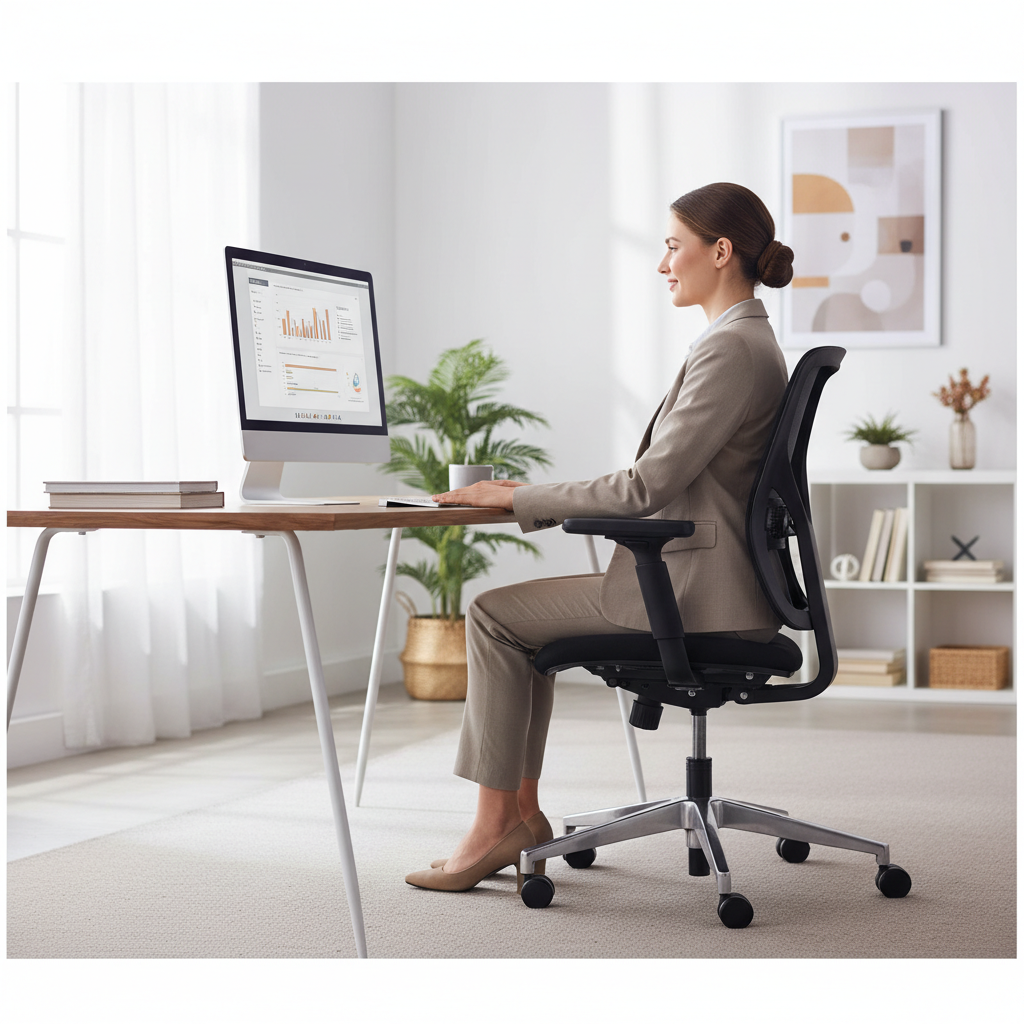
Buying the best office chair is only half the battle; you must also know how to configure it. Start by adjusting the height so your feet are flat on the floor and your thighs are parallel to the ground. Next, adjust the backrest to a 100-110 degree angle to reduce spinal pressure. Ensure your monitor is at eye level so you are not tilting your head up or down, which can negate the benefits of even the most expensive ergonomic chair.
Key Takeaways
Prioritize lumbar support to maintain the natural curve of your spine.
Ensure the chair offers multiple points of adjustability including height, armrests, and tilt.
Choose breathable materials like mesh for long-term comfort and temperature regulation.
Remember that the best desk chair is one that fits your unique body proportions.
Regularly reassess your seating posture and make adjustments as your needs change.
Conclusion
Selecting the right office chair is a significant investment in your health and professional future. By prioritizing ergonomics and adjustability, you can transform your workspace into a hub of productivity and comfort. Don't wait for back pain to become a chronic issue before you take action. Your body deserves the support that only a high-quality, specialized chair can provide.
At our firm, we specialize in helping businesses and individuals optimize their environments. Whether you need a single ergonomic chair for your home or a complete overhaul of your corporate office furniture, our experts are here to guide you toward the perfect solution.
Frequently Asked Questions
How often should I replace my office chair?
Most high-quality office chairs are designed to last between 7 to 10 years. You should consider a replacement if the cushions have lost their resilience, the adjustment mechanisms are failing, or you begin to experience new aches and pains.
Is a mesh or leather office chair better?
It depends on your needs. Mesh is superior for breathability and cooling, making it ideal for long hours. Leather offers a premium feel and durability but can become warm and requires more maintenance.
Can an ergonomic chair really help with back pain?
Yes, a proper chair for back pain provides lumbar support that reduces pressure on the spinal discs and prevents slouching, which are the primary causes of work-related back issues.
What is the correct height for an office chair?
Your chair should be at a height where your feet rest flat on the floor, your knees are at a 90-degree angle, and your thighs are parallel to the ground.
Why are ergonomic chairs more expensive than standard chairs?
Ergonomic chairs use advanced engineering, high-quality materials, and extensive testing to provide multiple points of adjustment and long-term durability that standard chairs lack.
Comments