
Forklifts: A Comprehensive Guide for Business Owners

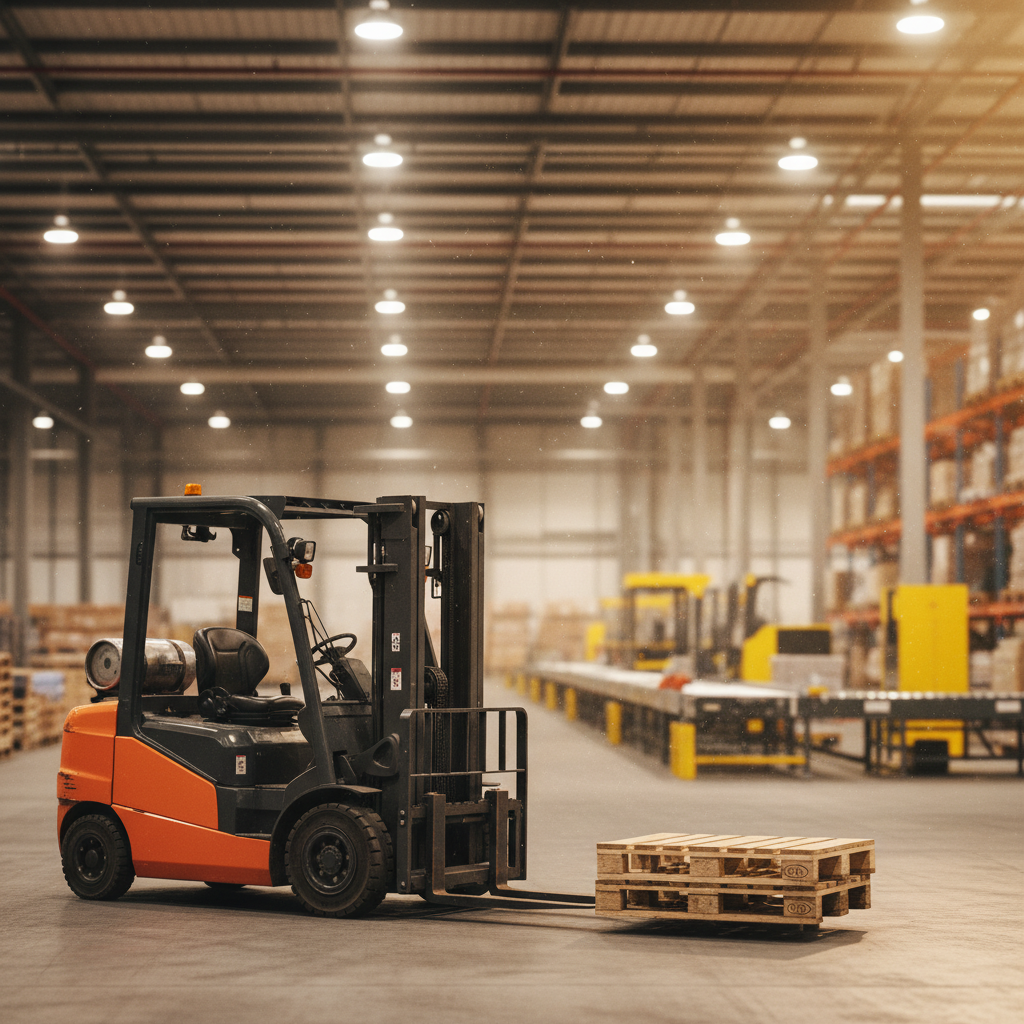
The modern forklift is the backbone of global commerce, serving as the primary vehicle for moving goods across warehouses, construction sites, and shipping ports. Since its inception in the early 20th century, this industrial workhorse has evolved from a simple manual hoist into a sophisticated piece of machinery integrated with digital sensors and electric drivetrains. Understanding the intricacies of these machines is essential for any professional involved in logistics, manufacturing, or supply chain management.
Understanding the Fundamental Types of Forklifts
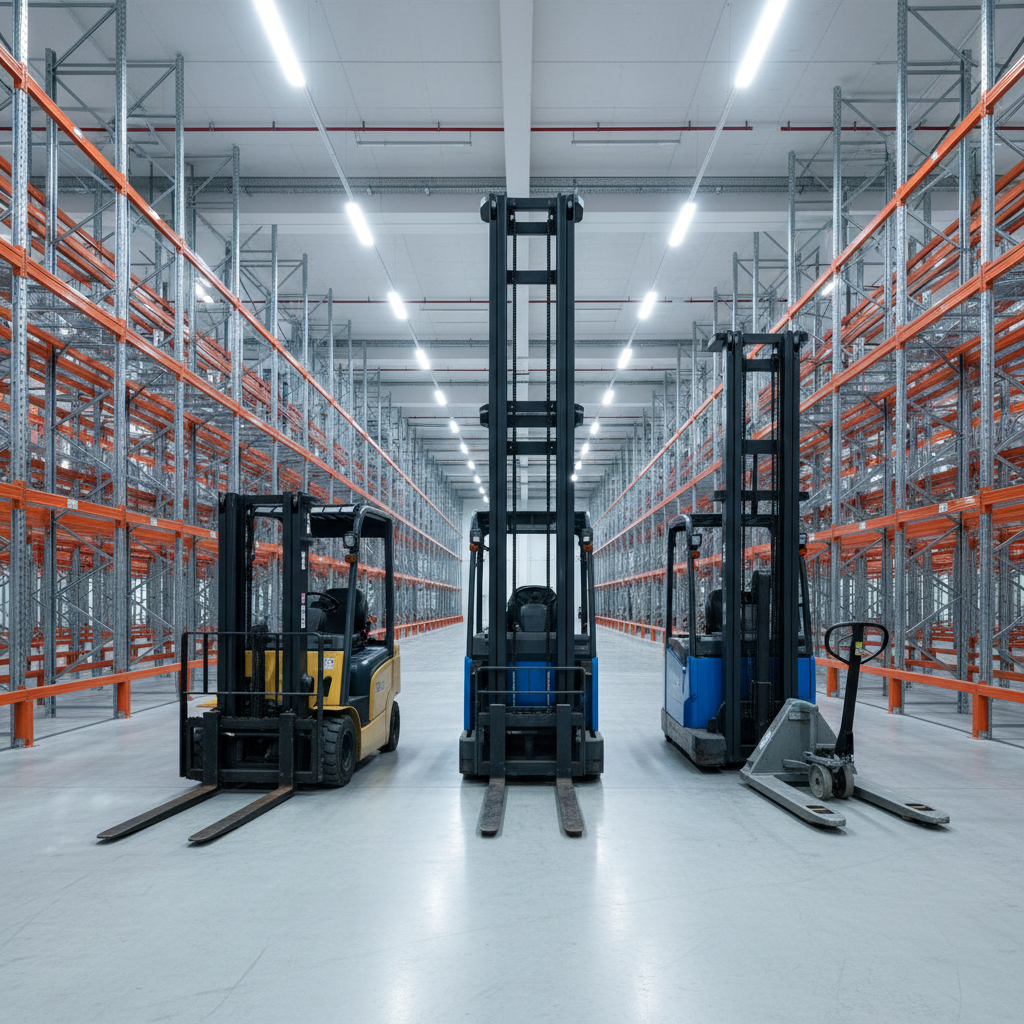
Not all lifting tasks are created equal, which has led to the development of specialized warehouse forklifts designed for specific environments. Selecting the correct machine depends on the weight of the load, the height of the shelving, and the width of the aisles in which the vehicle must maneuver.
Counterbalance Forklifts
This is the most common variety of forklift. It features forks at the front and a heavy weight at the back to offset the load. These machines are versatile and can be powered by electricity, gas, or diesel. They are the standard choice for general-purpose material handling in wide-aisle environments.
Reach Trucks and Narrow Aisle Models
Designed specifically for indoor warehouse use, reach trucks have outriggers for stability and a telescoping fork mechanism. This allows them to 'reach' into racking systems to retrieve pallets. Their compact design makes them ideal for facilities looking to maximize storage density by narrowing their aisle widths.
Side Loaders: Ideal for long loads like timber or piping.
Telehandlers: Feature a crane-like boom for outdoor construction use.
Rough Terrain Forklifts: Equipped with heavy-duty tires for uneven outdoor surfaces.
Order Pickers: Designed to lift the operator to the level of the warehouse racking.
The Essentials of Forklift Operation
Operating a forklift requires a unique set of skills that differ significantly from driving a standard passenger vehicle. Because most forklifts use rear-wheel steering, the back of the vehicle swings wide during turns, a phenomenon known as 'tail swing.' Mastery of forklift operation involves understanding the physics of the 'stability triangle,' which is the area between the two front wheels and the pivot point of the rear axle.
Load Handling and Stability
An operator must always be aware of the center of gravity. If a load is too heavy or positioned too far forward, the machine can tip. This is why following the manufacturer’s load capacity plate is a non-negotiable aspect of safe operation. For organizations looking to improve their internal processes, empowering your team through development solutions can ensure that operators are not just functional, but experts in their craft.
Prioritizing Forklift Safety and Compliance
Safety is the most critical aspect of material handling. According to the Occupational Safety and Health Administration (OSHA), forklifts cause tens of thousands of injuries annually in the United States alone. OSHA provides these regulations because they are the primary governing body for workplace safety, ensuring that employers maintain high standards for equipment and training.
Pre-Operation Inspections
Before every shift, an operator must conduct a thorough inspection of the vehicle. This includes checking fluid levels, tire pressure, fork condition, and the functionality of safety lights and alarms. A documented checklist helps maintain a paper trail for compliance and ensures that mechanical failures are caught before they lead to accidents.
Check for hydraulic leaks or puddles under the machine.
Test the horn and backup alarm to ensure they are audible.
Inspect the mast chains for proper tension and lubrication.
Verify that the seatbelt and overhead guard are secure.
Ensure the fire extinguisher is present and fully charged.
The Importance of Formal Forklift Training
It is a legal requirement in most jurisdictions for forklift operators to be certified. Effective forklift training combines classroom instruction with hands-on evaluation. This ensures that the operator understands the theory of the machine as well as the practical application of its controls. Just as one might look for the ultimate guide to choosing the right equipment in other sectors, businesses must seek out comprehensive training programs that cover specific vehicle models.
Recertification and Continuous Learning
Certification is not a one-time event. Operators should undergo evaluation at least every three years, or sooner if they are involved in an accident or near-miss. Continuous learning helps operators stay updated on new technologies, such as lithium-ion battery management or telematics systems that track vehicle usage and impact data.
Best Practices for Forklift Maintenance
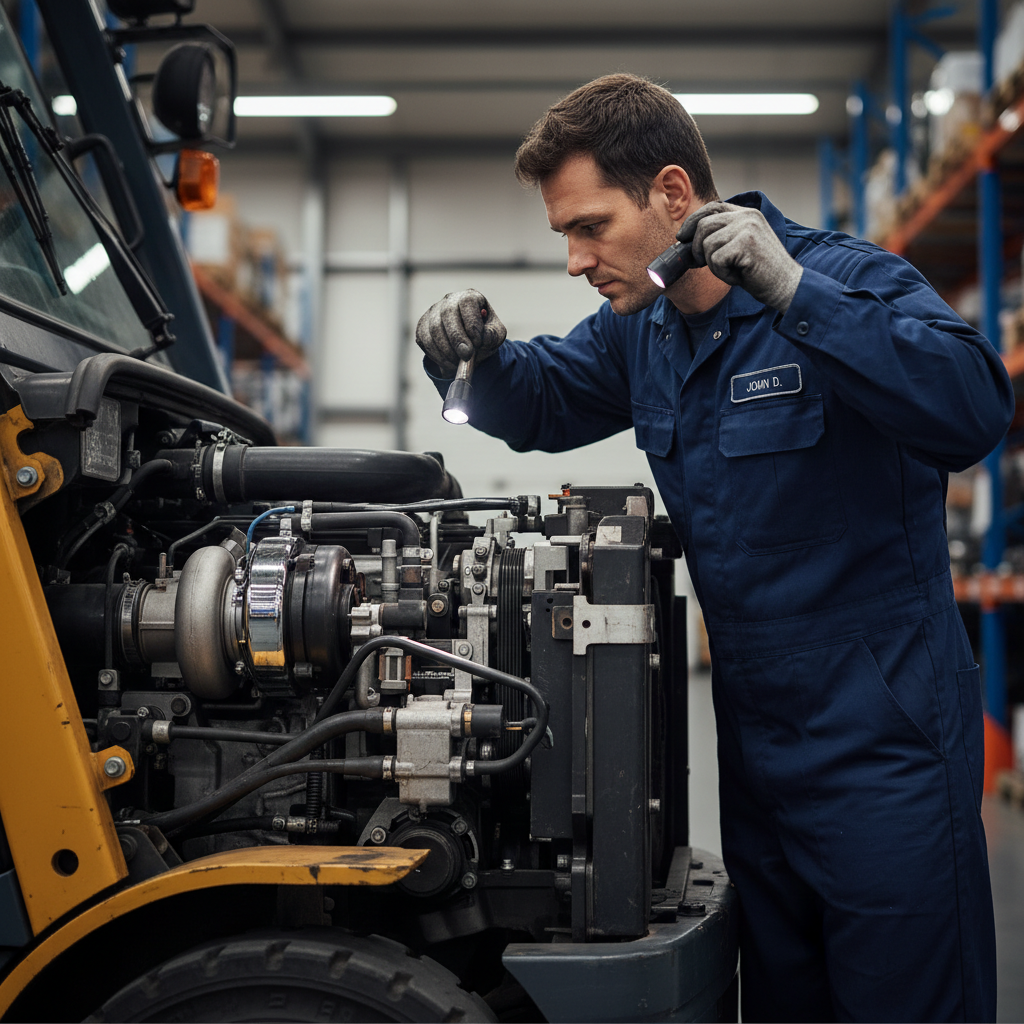
A proactive forklift maintenance schedule extends the lifespan of the equipment and reduces the total cost of ownership. Mechanical systems under constant stress, such as the hydraulic lift and the braking system, require regular professional oversight. For more technical details on machinery standards, the International Organization for Standardization (ISO) provides global benchmarks for industrial truck safety and performance.
Preventative vs. Reactive Maintenance
Reactive maintenance—fixing things only when they break—is significantly more expensive than preventative care. By scheduling regular intervals for oil changes, filter replacements, and chain adjustments, businesses can avoid the catastrophic failure of a machine during a peak production period.
Monthly: Lubricate the chassis and mast components.
Quarterly: Inspect the cooling system and change engine oil on internal combustion models.
Annually: Conduct a full structural inspection and hydraulic pressure test.
Conclusion: Enhancing Operational Efficiency
The forklift is more than just a tool; it is a critical component of a functional supply chain. By prioritizing the right types of forklifts for the job, investing in rigorous forklift training, and adhering to strict forklift safety protocols, businesses can create a productive and secure environment. As technology continues to advance, the integration of automation and sustainable power sources will only further the importance of these machines in the global market.
Ensuring your team is equipped with both the right machinery and the knowledge to use it safely is a hallmark of a professional operation. If you are looking to upgrade your fleet or enhance your safety protocols, expert guidance is only a step away.
Frequently Asked Questions
What is the most common cause of forklift accidents?
The most common causes include operator error, such as speeding or improper turning, and lack of training. Overturning the vehicle due to an unstable load is also a leading cause of serious injury.
How often should a forklift be inspected?
Forklifts must be inspected daily, or before each shift if the vehicle is used around the clock. This is a legal requirement in many regions to ensure operator safety.
Can I drive a forklift on the road?
Generally, forklifts are not designed for public roads. To do so, they must meet specific local vehicle regulations, including registration, lighting, and insurance, and the driver must hold a valid driver's license.
What is the difference between an electric and a diesel forklift?
Electric forklifts are quieter, produce zero emissions, and are ideal for indoor use. Diesel forklifts offer more power and torque, making them better suited for heavy-duty outdoor applications and rough terrain.
How long does a typical forklift battery last?
A well-maintained lead-acid forklift battery typically lasts about 5 years or 1,500 charging cycles. Modern lithium-ion batteries can last significantly longer, often up to 10 years.
Comments