How to Bake Perfect Cookies: A Simple Step-by-Step Guide

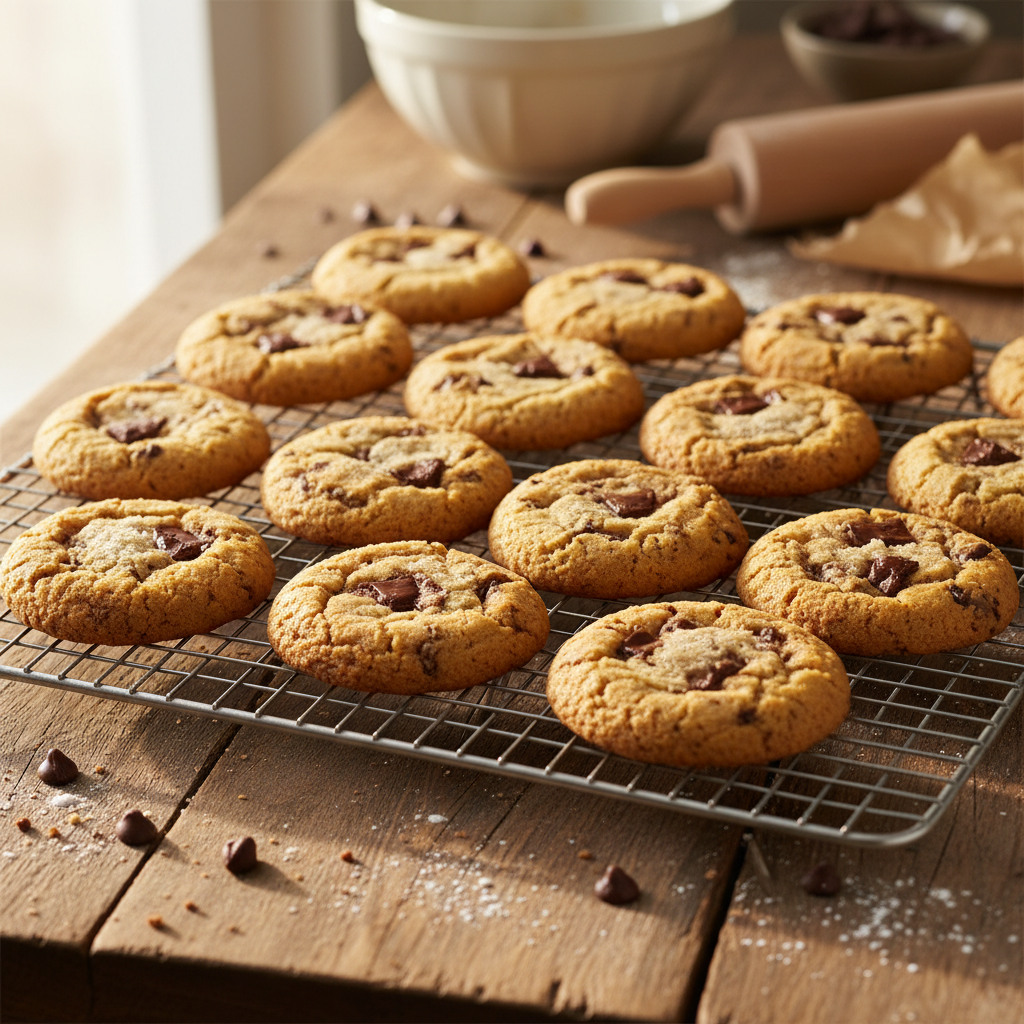
There is something truly magical about the aroma of fresh cookies wafting through a home. Whether you are looking to create a nostalgic treat from your childhood or simply want to satisfy a late-night sweet craving, learning how to cook cookies is a fundamental skill that brings joy to any kitchen. For many, the process of baking cookies can seem intimidating with talk of 'creaming butter' or 'leavening agents,' but at its heart, it is a simple and rewarding science. In this guide, we will walk you through every step of the process, ensuring that even if you have never cracked an egg, you will finish this read ready to bake the best cookie recipe your friends and family have ever tasted.
01. Understanding the Essentials of Baking Cookies
Before you preheat your oven, it is vital to understand that baking is different from general cooking. While you might 'eyeball' the salt in a soup, baking requires precision. When you are learning how to cook cookies, your ingredients are undergoing complex chemical reactions. According to the culinary experts at King Arthur Baking, the interaction between fats, sugars, and proteins determines whether your cookie is chewy, crispy, or cakey. This company is a leading authority on flour and baking science, making them a reliable source for understanding ingredient interactions.
The Role of Each Ingredient
Every item in an easy cookie recipe serves a specific purpose. Flour provides the structure, while sugar does more than just add sweetness; it helps the cookies brown and stay moist. Fats like butter or oil provide flavor and determine how much the cookie spreads in the oven. Eggs act as a binder, holding the structure together, and leavening agents like baking soda or powder create tiny air bubbles that make the cookie rise.
All-purpose flour: The versatile base for most homemade cookies.
Unsalted butter: Allows you to control the salt content of your dough.
Granulated sugar: Creates a crispier edge.
Brown sugar: Contains molasses for a chewier texture.
Vanilla extract: The 'salt' of the sweet world that enhances all other flavors.
02. Gathering Your Tools and Ingredients
You don't need a professional kitchen to produce high-quality treats, but having the right tools makes the process much smoother. Just as you would follow the ultimate guide to baking delicious cakes to ensure your sponges are light, you need specific gear for the perfect cookie batch.
Must-Have Baking Equipment
To get started with baking cookies, ensure you have a standard baking sheet (also known as a cookie sheet), parchment paper or a silicone mat to prevent sticking, and a set of measuring cups and spoons. A mixing bowl and a sturdy spatula are essential, and while an electric hand mixer is helpful for creaming butter, a bit of elbow grease and a wooden spoon can get the job done just as well.
Measuring spoons and cups (dry and liquid).
Large mixing bowl for dough.
Whisk for dry ingredients.
Rubber spatula for folding in chocolate chips.
Wire cooling rack to prevent soggy bottoms.
03. Step-by-Step: How to Cook Cookies from Scratch
Now that you are prepared, let's walk through the actual process. This method applies to almost any standard homemade cookies recipe, including the classic chocolate chip or sugar cookie. If you are looking for more specific variations, you might enjoy the ultimate cookie recipe guide which dives deeper into perfecting classic variations.
The Mixing Process
Preheat your oven: Most cookies bake at 350°F (175°C). Doing this first ensures the oven is stable when you're ready.
Cream the butter and sugars: Beat softened butter with white and brown sugar until the mixture is light and fluffy. This incorporates air.
Add wet ingredients: Mix in your eggs one at a time, followed by the vanilla extract.
Whisk dry ingredients: In a separate bowl, whisk your flour, baking soda, and salt to ensure even distribution.
Combine: Slowly add the dry ingredients to the wet mixture. Stir until just combined—overmixing leads to tough cookies!
Fold in extras: This is where you add chocolate chips, nuts, or dried fruit.
Chilling the Dough
One of the best cookie baking tips is to chill your dough for at least 30 minutes before baking. This prevents the fat from melting too quickly in the oven, which keeps your cookies from turning into flat puddles. It also allows the flavors to meld and the flour to hydrate properly.
04. Mastering the Bake: Timing and Temperature
The bake time is the most critical window in the entire process of how to cook cookies. Every oven is slightly different, so you must learn to read the visual cues of your cookies rather than just relying on the timer. For more on oven temperatures and heat distribution, Wikipedia's entry on baking provides an excellent overview of the physical processes involved in dry heat cooking.
Visual Cues for Perfect Cookies
You want to pull your cookies out when the edges are a light golden brown, but the centers still look slightly soft or even underdone. This is because cookies continue to cook on the hot baking sheet for several minutes after they leave the oven. This 'carry-over cooking' is the secret to a soft, chewy center.
Golden edges: Indicates the sugars have caramelized.
Set surface: The top should no longer look wet or shiny.
Aroma: When you can smell the butter and sugar, they are likely close to done.
05. Pro Cookie Baking Tips for Success
Even with an easy cookie recipe, small mistakes can happen. To ensure your homemade cookies turn out perfectly every time, keep these professional tips in mind. If you find yourself enjoying the process of creating treats, you might even want to learn about making safe and tasty treats for your pets so they don't feel left out of the kitchen fun!
Troubleshooting Common Issues
If your cookies are too flat, your butter might have been too soft or you may have over-creamed the mixture. If they are too puffy, you might have used too much flour. Always use the 'spoon and level' method for flour: spoon it into the measuring cup and level it off with a knife, rather than scooping directly with the cup, which packs the flour down.
Use room temperature eggs: They emulsify better into the dough.
Don't crowd the pan: Leave at least 2 inches between dough balls.
Rotate your pans: Halfway through baking, turn the pan 180 degrees for an even bake.
Invest in an oven thermometer: Most ovens are off by 10-25 degrees.
06. Storing and Sharing Your Creations
Once you have mastered how to cook cookies, you need to know how to keep them fresh. Cookies should be completely cool before being stored in an airtight container. Adding a small slice of white bread to the container can help keep chewy cookies soft, as the cookies will absorb the moisture from the bread.
Freezing Cookie Dough
Did you know you can freeze cookie dough? Scoop the dough into balls and freeze them on a tray, then transfer them to a bag. This way, you can bake a single fresh cookie whenever the mood strikes. Just add 1-2 minutes to the baking time if cooking from frozen.
Key Takeaways for Cooking Cookies
Precision is key: Always measure your ingredients accurately.
Temperature matters: Use room temperature ingredients and a preheated oven.
Chill the dough: This prevents excessive spreading and improves flavor.
Under-bake slightly: Pull cookies out when edges are golden but centers are soft.
Cool properly: Use a wire rack to allow air circulation around the cookie.
Conclusion
Baking is a journey of discovery, and learning how to cook cookies is the perfect entry point. By understanding the science of your ingredients and following these simple steps, you can move from a kitchen novice to a confident baker. Remember that every batch is a learning experience, so don't be afraid to experiment with different flavors and textures. Whether you are sticking to a classic recipe or trying something new, the most important ingredient is the care you put into the process.
If you are ready to take your culinary skills to the next level or have questions about specific baking equipment and techniques, we are here to help. Our team specializes in helping home cooks master the art of the kitchen through professional guidance and resources.
Frequently Asked Questions
Why did my cookies come out flat?
Cookies usually turn out flat if the butter was too soft or melted before baking, or if the oven wasn't hot enough. Chilling your dough for 30 minutes can help prevent this.
Can I use margarine instead of butter?
While you can use margarine, butter provides a superior flavor and a better 'snap.' If using margarine, ensure it is not a 'light' version, as the high water content will ruin the texture.
How do I know when cookies are done?
Look for light golden edges and a matte (not shiny) surface. The center should still look slightly soft, as it will firm up while cooling on the baking sheet.
Why are my cookies hard and crunchy?
This is usually caused by over-baking or using too much white sugar and not enough brown sugar. Ensure you are measuring your flour correctly using the spoon-and-level method.
How long does homemade cookie dough last in the fridge?
Most cookie doughs can be safely stored in the refrigerator for 3 to 5 days if kept in an airtight container or tightly wrapped in plastic.
Do I really need to use parchment paper?
While not strictly necessary, parchment paper prevents sticking, ensures even browning, and makes cleanup much easier. It is highly recommended for beginners.
Comments