
The Ultimate Guide to Choosing the Right Chair

Think about the last time you truly relaxed. Chances are, a chair was involved. Whether it’s the sturdy stool at your favorite coffee shop or the plush recliner in your living room, the humble chair is perhaps the most essential piece of furniture in human history. It is more than just a place to sit; it is a tool for productivity, a statement of style, and a sanctuary for rest. In this guide, we are going to dive deep into the world of seating to help you understand what makes a chair truly great.
The Anatomy of a Great Chair
Before we can choose the right seat, we need to understand the basics of chair design. Every chair serves a purpose, and its construction reflects that goal. A dining chair needs to keep you upright and engaged, while a lounge chair is built to distribute your weight so you can drift off into a nap.
Materials and Durability
The materials used in a chair determine both its look and its lifespan. Solid wood offers a timeless appeal and unmatched durability, often becoming family heirlooms. Metal provides a sleek, industrial aesthetic and is incredibly easy to clean. Much like how different fabrics change the feel of exploring the world of tote bags, the upholstery on a chair—be it leather, velvet, or mesh—defines the tactile experience of sitting.
The Rise of the Ergonomic Chair
If you spend more than four hours a day at a desk, an ergonomic chair is not a luxury—it is a necessity. Ergonomics is the science of designing equipment to fit the human body and its movements. A poor chair can lead to back pain, neck strain, and decreased focus, which is why investing in proper support is so vital.
Key Features of Ergonomic Seating
Lumbar Support: This protects the lower curve of your spine.
Adjustable Height: Your feet should always be flat on the floor with knees at a 90-degree angle.
Seat Depth: There should be a small gap between the edge of the seat and the back of your knees.
Armrest Flexibility: Adjustable armrests prevent shoulder tension by supporting the weight of your arms.
When you sit in a high-quality office chair, you should feel supported but not restricted. Just as perfecting classic homemade cookies requires the right balance of ingredients, a healthy workspace requires the right balance of movement and stability.
Exploring Common Types of Chairs
The variety of chairs available today can be overwhelming. To simplify your search, let's categorize them by their primary function. Understanding these types of chairs will help you narrow down your options based on the room you are furnishing.
Accent and Lounge Chairs
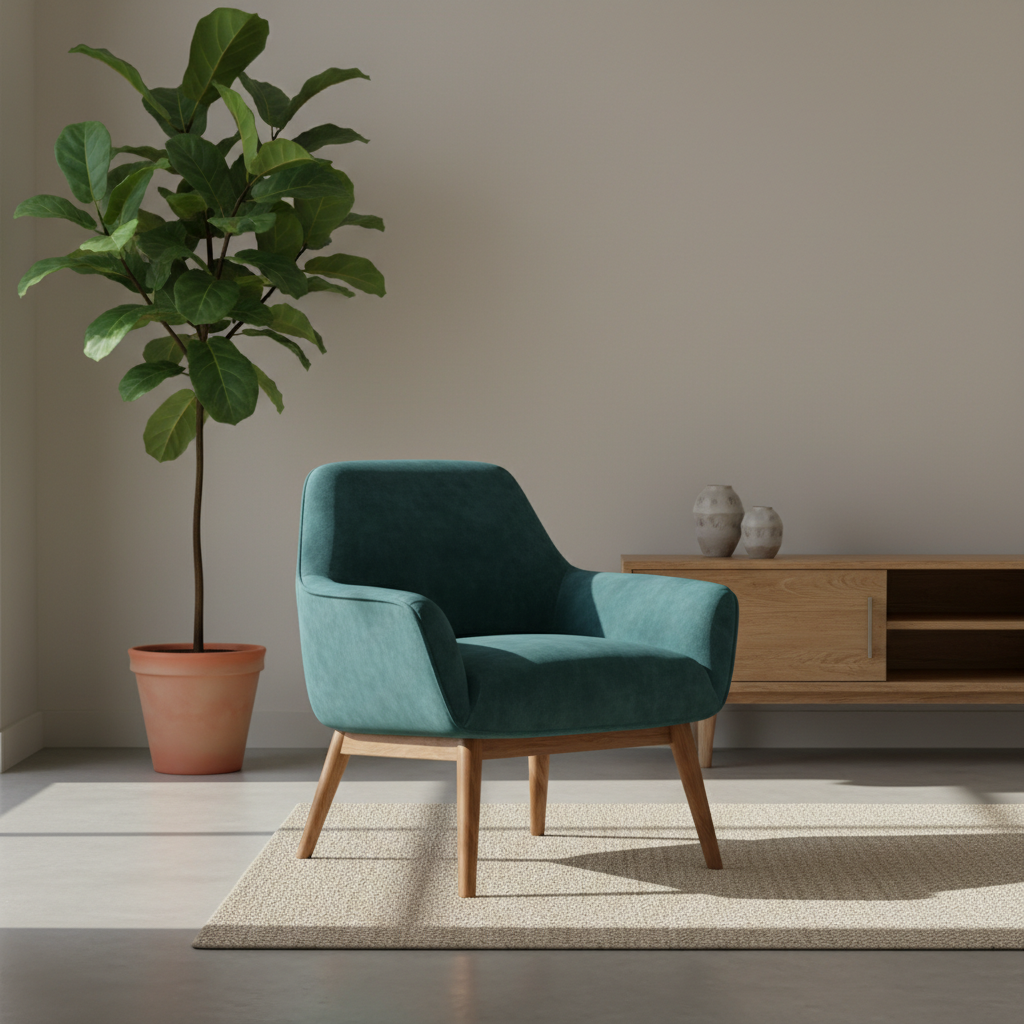
Accent chairs are the 'personality' pieces of a room. They often feature bold colors or unique shapes. Lounge chairs, including the famous Eames Lounge or simple recliners, are designed for long-term comfort. These are the spots where you might sit down with a bowl of simple granola and a good book on a Sunday morning.
Task and Executive Chairs
A task chair is usually smaller and designed for mobility around a workstation, often featuring wheels and a swivel base. Executive chairs are larger, usually upholstered in leather or high-end fabric, and offer a more commanding presence in a home office.
The Ultimate Chair Buying Guide
Ready to make a purchase? Don't just pick the one that looks the best in the showroom. Follow these steps to ensure you find a comfortable chair that lasts for years.
Measure Your Space: Ensure the chair fits your desk height and doesn't block walkways.
Test the Sit: If possible, sit in the chair for at least 10 minutes to feel how the pressure distributes.
Check the Weight Capacity: Different designs are rated for different weights; ensure yours is robust enough for your needs.
Consider the Flooring: Use soft casters for hard floors and firm casters for carpets to prevent damage.
Review the Warranty: A good chair is an investment; look for a manufacturer that stands by their craftsmanship.
According to The Mayo Clinic, proper office ergonomics, including chair selection, can significantly reduce the risk of repetitive strain injuries. Taking the time to choose correctly now will save you physical pain later.
Conclusion: Sitting Better for a Better Life
We spend a significant portion of our lives sitting down, yet we often give little thought to the objects that support us. Whether you are looking for a sleek office chair to boost your productivity or a cozy corner chair for your bedroom, the right choice makes all the difference. By focusing on ergonomic chair features and understanding your personal style, you can transform your environment into a place of comfort and efficiency.
Remember, a chair isn't just a piece of furniture—it's an investment in your well-being. If you're feeling stuck on which direction to take for your space, we are here to help you navigate the options.
Frequently Asked Questions
What is the most comfortable chair for long hours?
An ergonomic chair with adjustable lumbar support, seat depth, and breathable mesh material is generally considered the best for long-duration sitting.
How high should my chair be?
Your chair should be at a height where your feet rest flat on the floor and your thighs are parallel to the ground, creating a 90-degree angle at the knees.
Are standing desks better than chairs?
A combination of both is ideal. Alternating between sitting in a supportive chair and standing helps improve circulation and reduces fatigue.
How do I clean my upholstered chair?
Always check the care label. Most fabric chairs can be vacuumed and spot-cleaned with a mild detergent, while leather requires specific conditioners.
What is the difference between a task chair and an office chair?
Task chairs are typically more compact and designed for short-term tasks, while 'office chair' is a broader term often implying more features for full-day use.
Do expensive chairs really last longer?
Generally, yes. Higher-priced chairs often use superior materials like high-density foam and reinforced steel frames, offering better longevity and warranties.
Comments