Dog Leash Guide: Find the Perfect Leash for Your Pup

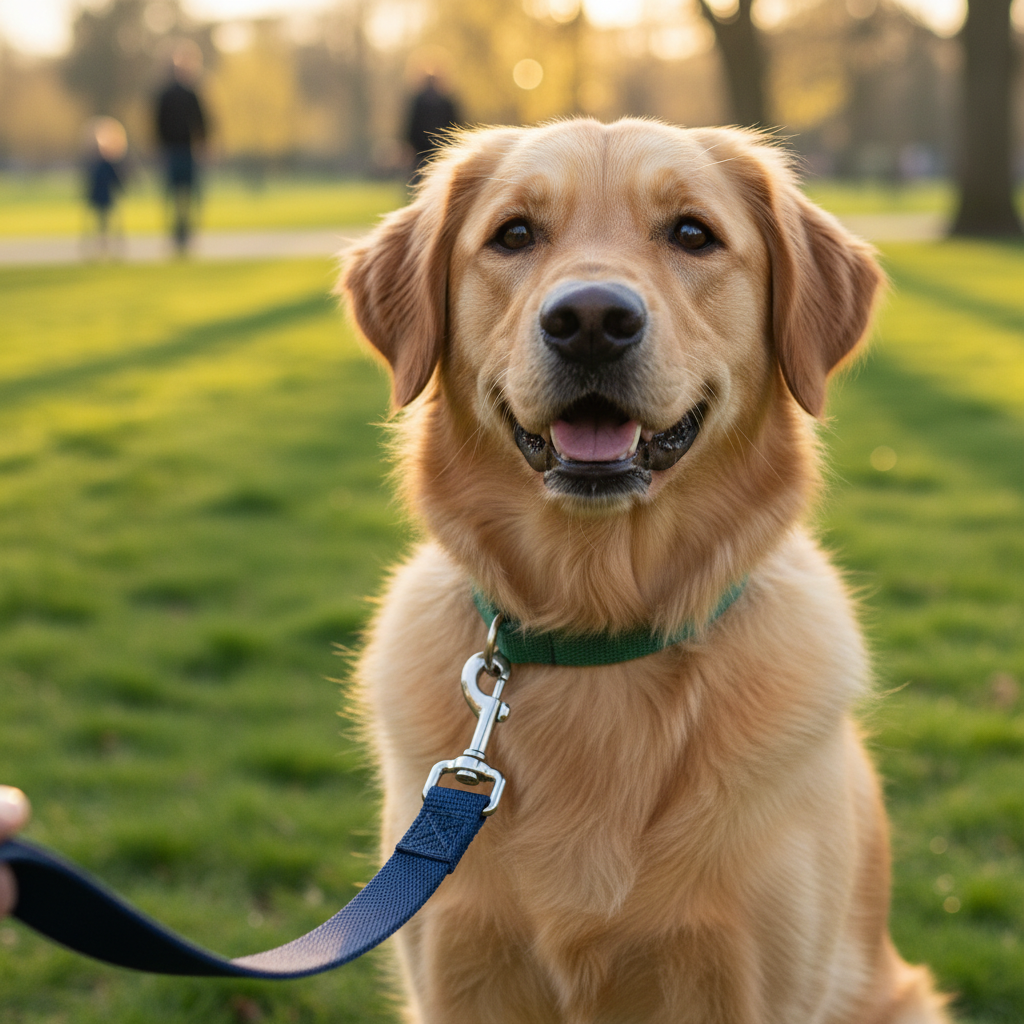
When you welcome a new furry friend into your home, you are embarking on a journey filled with joy, wagging tails, and countless outdoor adventures. One of the most vital tools you will ever own as a pet parent is a high-quality dog leash. It is more than just a cord or a strap; it is a lifeline, a communication tool, and the primary way you keep your companion safe in an unpredictable world. Whether you are navigating busy city streets or exploring quiet forest trails, understanding the nuances of the dog leash is essential for every owner.
Understanding the Fundamentals of the Dog Leash
Before diving into the specific types of leashes available, it is important to understand why this tool is so significant. A leash for dogs serves several purposes: it prevents your pet from running into traffic, keeps them from approaching unfriendly animals, and allows you to guide them during training sessions. It is the physical manifestation of the unbreakable bond between humans and dogs.
Why Quality Matters
Investing in the best dog leash isn't just about aesthetics; it's about durability and comfort. A cheap leash might snap under the pressure of a sudden lunging squirrel, or it might chafe your hands during a long walk. When we talk about quality, we are looking at the strength of the clip, the integrity of the stitching, and the weather-resistance of the material. Since you will use this tool every single day, choosing wisely ensures both you and your dog enjoy your time together.
Exploring the Different Types of Dog Leashes
The market is flooded with options, which can be overwhelming for a new pet owner. However, most products fall into a few primary categories. Understanding the different types of dog leashes is the first step in narrowing down your search. Each design serves a specific function, from casual strolls to intensive behavior correction.
The Standard Flat Leash
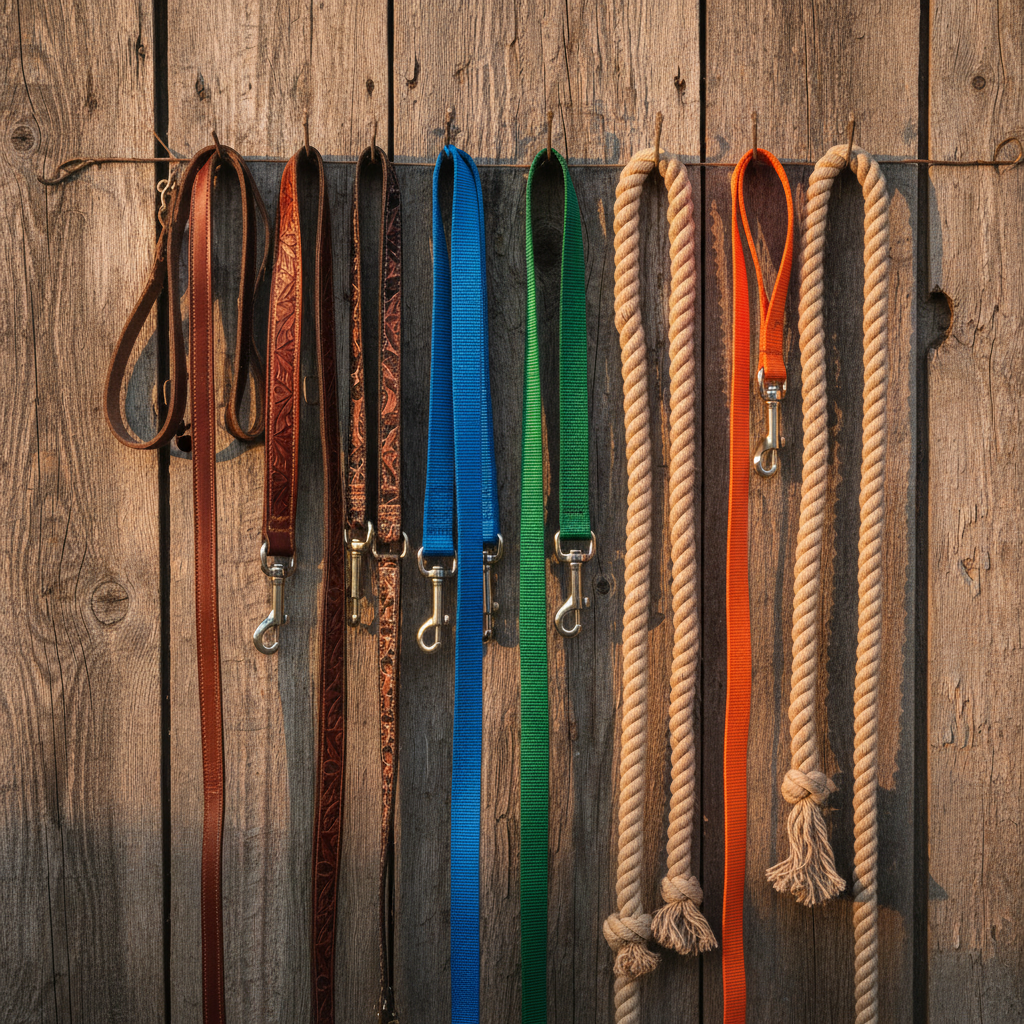
The standard dog walking leash is usually between 4 to 6 feet long. This is the most common variety and is perfect for everyday walks. It provides enough room for your dog to explore a bit of their environment while remaining close enough for you to maintain total control. These are typically made of nylon or leather and are a staple in any dog leash guide.
The Retractable Leash
Retractable leashes allow your dog to wander much further, often up to 20 or 30 feet, while the cord retracts into a plastic handle. While popular, they require careful handling. They are best used in wide-open spaces where there are few obstacles or other dogs. However, many trainers suggest sticking to a fixed-length leash for puppies who are still learning not to pull.
The Training Leash or Long Line
A training leash, often called a long line, can range from 15 to 50 feet in length. These are instrumental when teaching 'come' or 'stay' commands from a distance. They provide the safety of a tether while giving the dog the illusion of freedom. If you are working on advanced obedience, this is an essential tool to have in your kit.
Standard Leashes: Great for city walking and basic control.
Retractable Leashes: Best for open fields and low-traffic areas.
Long Lines: Essential for distance training and recall practice.
Slip Leads: Often used in shelters or for quick transitions.
Double-Handle Leashes: Perfect for extra control in busy environments.
Choosing the Right Material for Your Needs
The material of your dog leash dictates its weight, feel, and longevity. Just as you would put thought into choosing the right toys for dogs, you should consider how a leash material fits into your lifestyle.
Nylon: The Versatile Choice
Nylon is the most popular material for a leash for dogs because it is lightweight, affordable, and comes in every color imaginable. It is easy to clean and dries relatively quickly, making it a solid choice for rainy climates. However, nylon can cause 'leash burn' if a dog pulls hard and the strap slides through your hands.
Leather: The Classic and Durable Option
Many experienced owners believe the best dog leash is a leather one. Leather is incredibly strong and actually becomes softer and more comfortable in your hand over time. While it requires a bit of maintenance (occasional conditioning), a high-quality leather leash can last a lifetime. It also offers a natural 'give' that absorbs some of the shock if your dog lunges.
Biothane: The Waterproof Wonder
Biothane is a polyester webbing with a TPU or PVC coating. It has gained massive popularity recently because it is completely waterproof and stink-proof. If your dog loves swimming or rolling in the mud, a Biothane dog leash is a game-changer. You can simply wipe it clean with a damp cloth, and it won't harbor bacteria or odors.
The Puppy Leash: Starting Your Training Early
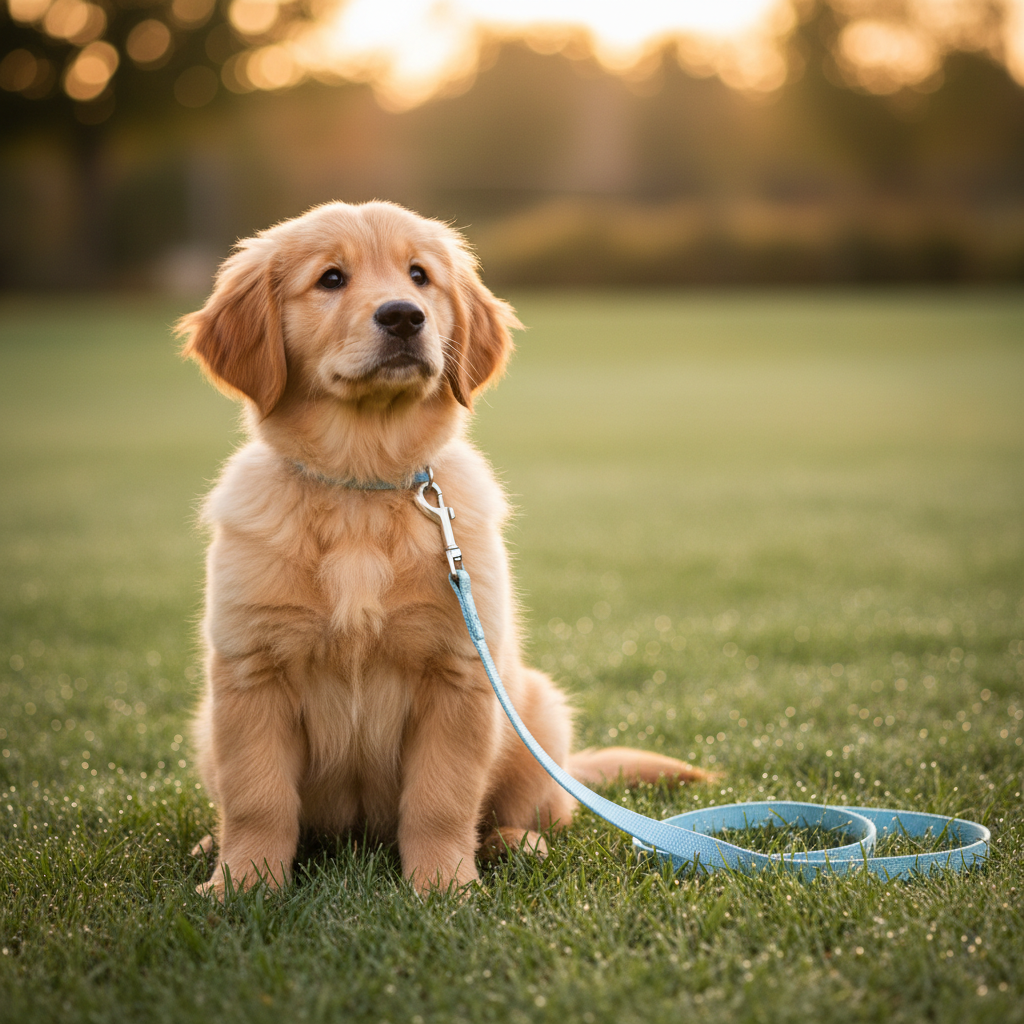
Selecting a puppy leash requires a slightly different approach than choosing one for an adult dog. Puppies are small, fragile, and often view their leash as a chew toy. You want something lightweight so it doesn't weigh down their neck, but durable enough to withstand sharp puppy teeth.
Introduction to the Leash
When you first introduce a leash to a puppy, let them drag it around the house (under supervision) so they get used to the feeling of something attached to them. This builds a positive association. For more details on the early stages of ownership, refer to our ultimate guide to choosing the right dog leash which covers puppy-specific safety.
Safety First
Never leave a leash on a puppy when they are in a crate or alone, as it can become a strangulation hazard. Use the leash as a tool for connection and guidance during your supervised training sessions. Remember, a puppy's neck is delicate, so a lightweight leash paired with a harness is often the safest combination for early walks.
How to Use a Leash for Training and Safety
Owning a leash is one thing; using it effectively is another. Proper leash handling is a skill that improves with practice. It involves more than just holding on; it involves 'reading' the tension in the line and using it to communicate with your dog.
Hold the loop securely around your thumb and close your fist.
Keep your arm relaxed at your side to avoid constant tension.
Use treats to reward your dog for walking on a loose leash.
Avoid 'yanking' the leash; instead, use gentle pressure and release.
Always be aware of your surroundings to prevent tangles.
The Importance of Loose Leash Walking
The goal for most owners is 'loose leash walking,' where the dog leash hangs in a 'J' shape between you and your pet. This indicates that the dog is paying attention to your pace and not pulling. It makes walks significantly more enjoyable and reduces the risk of injury for both of you. If your dog is a heavy puller, consider a front-clip harness in conjunction with a sturdy training leash.
Maintenance and Care for Your Dog Leash
To ensure your dog leash remains safe, you must inspect it regularly. Over time, even the best dog leash will show signs of wear and tear. Sun exposure, salt water, and general use can weaken the fibers or cause the metal hardware to rust.
Routine Inspections
Every week, run your hands along the length of the leash to check for frays, tears, or thin spots. Check the bolt snap or carabiner to ensure the spring is still strong and it closes securely. If you notice any significant damage, it is time to replace the leash immediately. It is always better to spend a few dollars on a new leash than to risk your dog escaping.
Cleaning Tips
For nylon leashes, a soak in warm water with a bit of dish soap usually does the trick. For leather, use a dedicated leather cleaner and conditioner to keep it supple. Keeping your gear clean doesn't just make it look better; it removes grit and dirt that can act like sandpaper on the fibers, extending the life of your equipment.
Conclusion
Choosing the right dog leash is an investment in your dog's safety and your own peace of mind. Whether you opt for a classic leather lead, a versatile nylon strap, or a specialized training leash, the most important factor is how it facilitates a positive experience between you and your pup. By understanding the different materials and styles available, you can find the perfect match for your dog's size, temperament, and your shared lifestyle.
Remember that a leash is just one part of the equation. Combined with patience, consistent training, and lots of love, it becomes the bridge that allows you to explore the world together safely. If you are ever unsure about which gear is best for your specific breed or situation, don't hesitate to reach out for professional advice. We are here to help you make the best choice for your canine companion.
Frequently Asked Questions
What is the best length for a standard dog leash?
For most everyday walks, a 6-foot leash is considered ideal. it provides a good balance between giving your dog room to sniff and keeping them close enough for safety and control.
Are retractable leashes safe for puppies?
Generally, retractable leashes are not recommended for puppies. Puppies are still learning leash manners, and the constant tension of a retractable leash can actually teach them that pulling is necessary to move forward.
How often should I replace my dog leash?
You should replace your dog leash as soon as you see signs of fraying, cracking (in leather), or if the metal clip becomes stiff or rusty. It is a good habit to inspect your leash once a week.
Can I wash a nylon dog leash in the washing machine?
Yes, most nylon leashes can be washed in a washing machine. It is best to place them in a mesh laundry bag to prevent the metal clip from banging against the drum, and always air dry them.
What is the difference between a leash and a lead?
In the pet industry, the terms 'leash' and 'lead' are often used interchangeably. However, 'lead' is sometimes specifically used to refer to slip leads or those used in professional training and showing.
Should I use a leash with a collar or a harness?
This depends on your dog. For dogs that pull or have respiratory issues, a harness is usually safer as it distributes pressure across the chest rather than the neck. For well-trained dogs, a collar and leash are perfectly fine.
Comments