Doner Kebab: Exploring This Popular Street Food

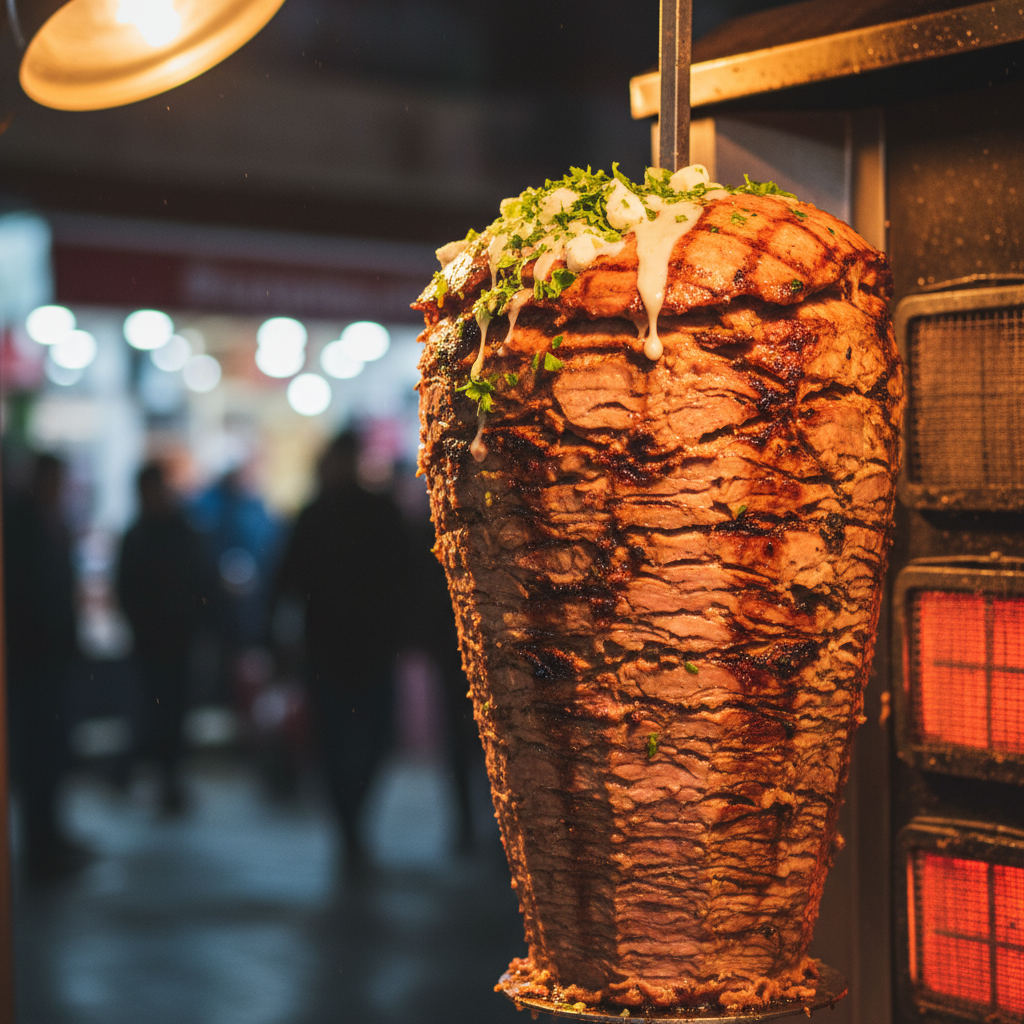
Have you ever found yourself walking down a busy city street late at night, drawn by the irresistible aroma of spiced meat roasting on a vertical spit? If so, you’ve encountered the legendary doner kebab. This iconic dish has traveled from the royal kitchens of the Ottoman Empire to the neon-lit corners of modern metropolises, becoming a global symbol of delicious, accessible street food. Whether you are a long-time fan or a curious newcomer, understanding the layers of flavor and history behind this dish will change the way you eat forever.
Table of Contents
01. What Exactly is a Doner Kebab?
At its simplest, a doner kebab is a Turkish dish made of meat cooked on a vertical rotisserie. The word 'doner' comes from the Turkish verb 'dönmek,' which means 'to turn' or 'to rotate.' This unique cooking method allows the meat to baste in its own juices, resulting in a tender, flavorful interior and a perfectly crisped exterior.
The Vertical Revolution
Unlike traditional horizontal kebabs, the vertical orientation was a culinary breakthrough. As the outer layer of meat cooks, it is thinly sliced off with a long knife or an electric slicer, falling into a tray below. This ensures that every serving contains the most flavorful, freshly seared bits of meat.
If you are interested in how this compares to other skewered delights, you might enjoy reading about these irresistible kebab recipes that showcase the diversity of this cooking style across different cultures.
02. A Brief History of the Rotating Roast
While grilling meat on sticks is as old as fire itself, the specific form of the doner kebab originated in the 19th-century Ottoman Empire. Specifically, the city of Bursa is often cited as its birthplace. According to historical records of Turkish cuisine, a cook named İskender Efendi is credited with the idea of turning the spit vertically to prevent fat from dripping into the fire and causing smoke.
This innovation didn't just improve the taste; it changed the way food was served in urban environments. In the mid-20th century, Turkish immigrants brought this tradition to Germany, specifically Berlin, where it was adapted into the sandwich format we recognize today—tucked into pita or flatbread with salad and sauces to suit the fast-paced lifestyle of workers.
03. Essential Kebab Ingredients
What makes a doner kebab so addictive? It’s all about the balance of high-quality meat and a complex blend of spices. While the recipe varies by region, there are several core components that define the authentic experience.
Meat: Traditionally lamb or beef, or a combination of both. Chicken is also a popular modern alternative.
Fat: Suet or tail fat is often layered between the meat to ensure moisture.
Spices: A blend typically including cumin, coriander, paprika, oregano, and cinnamon.
Aromatics: Onion juice and garlic are vital for marinating the meat layers.
Bread: Pide, pita, or lavaş (a thin flatbread) serve as the vessel.
The seasoning is where the magic happens. Much like how a perfect cookie recipe relies on the right ratio of sugar and butter, a great kebab depends on the harmony between the savory meat and the sharp, earthy spices of Middle Eastern food.
04. How to Create a Homemade Kebab Recipe
You don't need a massive commercial rotisserie to enjoy doner at home. While the vertical spit is ideal, you can achieve similar results using your oven or a loaf pan. This allows you to control the quality of the kebab ingredients and customize the spice levels to your liking.
Prepare the meat: Use finely ground lamb or beef and mix it with your spices until it forms a paste-like consistency.
Shape the loaf: Press the meat mixture firmly into a loaf pan to remove air pockets.
Slow roast: Bake at a low temperature (around 300°F/150°C) until the internal temperature reaches 165°F.
Cool and press: Let the meat cool, then weigh it down in the fridge overnight to create a dense texture.
Slice and sear: Thinly slice the cold meat and quickly fry the strips in a pan with a little oil to get those crispy edges.
05. The Art of the Toppings and Sauces
A doner kebab isn't complete without its supporting cast. The toppings provide a necessary crunch and acidity that cuts through the richness of the meat. In many Turkish food stalls, you will find a vibrant array of fresh vegetables and creamy sauces.
Red Cabbage: Often pickled or shredded raw with lemon juice.
Sumac Onions: Thinly sliced red onions tossed with tart sumac powder.
Garlic Sauce: A creamy, yogurt-based or mayo-based sauce with heavy garlic notes.
Chili Sauce: Ranging from mild pepper pastes to fiery harissa-style blends.
Fresh Herbs: Parsley and mint add a refreshing finish.
06. Doner Around the World
As the doner kebab traveled, it morphed into various regional specialties. In Greece, it evolved into the Gyro, typically made with pork and served with tzatziki. In the Middle East, it is closely related to Shawarma, which uses different spice profiles like cardamom and cloves.
Even in Mexico, Lebanese immigrants influenced the creation of 'Al Pastor,' where the vertical spit technique is used with marinated pork and pineapple. This global journey highlights why the doner is considered one of the most successful examples of cultural fusion in the culinary world. For more international inspiration, check out these global kebab variations to see how spices change across borders.
07. Is Doner Kebab Healthy?
When you think of street food, 'healthy' might not be the first word that comes to mind. However, doner kebab can be a balanced meal depending on how it's served. The meat provides high protein, and if you load up on the salad and choose a whole-wheat wrap, you're getting a significant amount of fiber and vitamins.
The main concern usually lies in the sodium and fat content of processed 'elephant leg' kebabs found in some fast-food outlets. By making it at home or choosing reputable vendors who use whole cuts of meat, you can enjoy this delicious Turkish food as part of a balanced diet.
08. Common Mistakes When Making Kebab
If you're trying your hand at a kebab recipe for the first time, avoid these common pitfalls to ensure your meat doesn't turn out dry or crumbly.
Using meat that is too lean: You need at least 20% fat for the authentic texture.
Under-seasoning: The meat needs to be highly seasoned as it will be diluted by bread and salad.
Slicing too thick: The beauty of doner is the paper-thin slices that melt in your mouth.
Skipping the resting phase: If you don't let the meat rest, it will lose all its juices when sliced.
09. Conclusion: Why We Love the Doner
The doner kebab is more than just a quick meal; it is a testament to culinary ingenuity and cultural exchange. From its humble beginnings in Bursa to its status as a global street food icon, it continues to satisfy millions of people every day with its perfect blend of spices, textures, and convenience.
Now that you know the secrets behind the spit, why not try making your own or seeking out an authentic Turkish restaurant in your area? Exploring international flavors is a journey that never ends, and the doner is the perfect place to start.
Frequently Asked Questions
What is the difference between doner kebab and shawarma?
While both use a vertical rotisserie, doner kebab is Turkish and typically uses spices like oregano and cumin, whereas shawarma is Arab and often features cardamom, turmeric, and dried lime.
Is doner kebab meat processed?
It depends. High-quality traditional doner uses stacked slices of whole meat, while some commercial versions use a processed 'minced' meat cone. Always ask your vendor for the best quality.
What meat is traditionally used in a doner kebab?
Traditionally, lamb is the primary meat, but beef or a mixture of beef and lamb is also very common. Chicken doner has become a popular modern alternative.
Can I make doner kebab without a rotisserie?
Yes! You can bake a seasoned meatloaf in the oven at a low temperature, chill it, slice it thinly, and then pan-fry the slices to achieve the signature crispy texture.
Why is it called 'doner'?
The name comes from the Turkish word 'dönmek,' which means 'to turn,' referring to the rotating vertical spit the meat is cooked on.
Is doner kebab gluten-free?
The meat itself can be gluten-free if no breadcrumbs are used as fillers, but the dish is usually served in bread. Always check the spices and sauces for hidden gluten.
Comments