The Ultimate Guide to Baking Delicious Cakes
- primestackapps
- Jan 30
- 6 min read

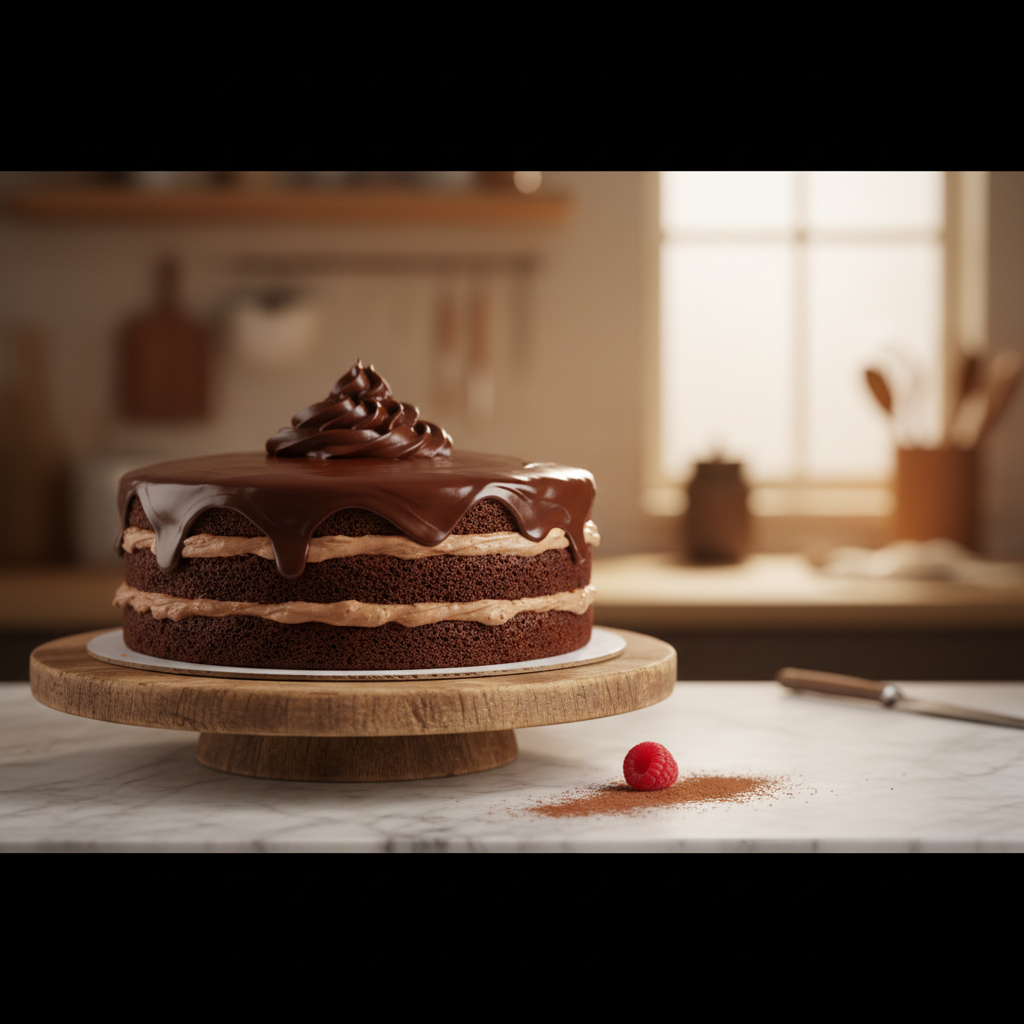
There is something undeniably magical about a freshly baked cake. Whether it is the center of a birthday celebration, a wedding feast, or just a Tuesday afternoon treat, cake has a way of making any moment feel special. But what exactly goes into making the perfect slice? From the chemistry of the oven to the artistry of the frosting, baking a cake is both a science and an art form that anyone can master with a bit of patience and the right guidance.
Table of Contents
In this comprehensive guide, we are going to explore the vast world of cake. We will cover the essential ingredients that every pantry needs, dive into the most popular types of cake recipes, and share expert baking tips to ensure your sponge is always light and fluffy. Whether you are looking to create a simple homemade cake or dive into the intricate world of cake decorating, you have come to the right place. Let's get the oven preheated and start our journey into the heart of the kitchen.
The Foundations of a Perfect Cake
Before you even crack an egg, you need to understand the building blocks of baking. The success of any cake relies on the quality and temperature of your cake ingredients. Most traditional recipes follow a specific ratio of fats, sugars, and leavening agents to achieve that perfect crumb.
For those who enjoy experimenting with different flavors, you might even consider how these principles apply to specialty bakes. For instance, if you are a pet lover, you can learn about dog cakes: a guide to safe and delicious treats to see how ingredient substitutions work for our furry friends.
Essential Ingredients for Every Baker
To get started, make sure your pantry is stocked with these staples:
Flour: All-purpose is standard, but cake flour provides a finer texture.
Sugar: Granulated for structure, and powdered sugar for smooth frosting.
Fats: Unsalted butter or neutral oils provide moisture and flavor.
Eggs: These act as the binder and provide lift.
Leavening Agents: Baking powder and baking soda are the engines of your cake.
Liquid: Milk, buttermilk, or even water to hydrate the batter.
Popular Types of Cake and Their Characteristics
Not all cakes are created equal. Depending on the mixing method and the ingredients used, you can end up with vastly different results. Understanding these categories will help you choose the right cake recipes for any occasion.
Cake Type | Main Characteristic | Best For |
Sponge Cake | Light and airy, uses whipped eggs | Swiss rolls and light desserts |
Butter Cake | Dense and moist, high fat content | Birthday cakes and pound cakes |
Chiffon Cake | Cross between sponge and butter | Light but sturdy celebrations |
Flourless Cake | Rich and fudgy, no grain | Gluten-free diets and chocolate lovers |
Red Velvet | Slightly acidic with a hint of cocoa | Weddings and Valentine's Day |
The All-Time Classics
If you are just starting out, focusing on a classic yellow cake or a rich chocolate cake is the way to go. These recipes are forgiving and serve as a great canvas for various fillings and toppings. If you love chocolate as much as we do, you might also find that 5 reasons you need chocolate granola in your life offers a similar comfort-food vibe for your morning routine.
Pro Baking Tips for Success
Even the best recipes can fail if the technique is off. Baking is a precise science, and small changes in temperature or measurement can lead to a sunken center or a dry crumb. According to the King Arthur Baking Company, one of the most respected authorities in American baking, measuring your flour by weight rather than volume is the single most important step for consistency.
Here are some of our favorite baking tips to keep in mind:
Room Temperature Ingredients: Ensure your eggs and butter are not cold so they emulsify properly.
Don't Overmix: Once the flour goes in, mix only until just combined to avoid a tough cake.
Prep Your Pans: Use parchment paper and grease the sides to ensure a clean release.
Check Your Oven: Use an oven thermometer to verify the actual temperature.
The Toothpick Test: Insert a skewer into the center; if it comes out clean or with a few moist crumbs, it's done.
The Art of Cake Decorating
Once your cake is baked and cooled, the real fun begins. Cake decorating is where you can let your creativity shine. Whether you prefer a rustic 'naked' cake look or a polished fondant finish, the possibilities are endless.
Basic Decorating Tools
You don't need a professional kitchen to make a beautiful cake, but a few key tools make the process much easier:
Offset Spatula: Perfect for spreading frosting smoothly.
Turntable: Allows you to rotate the cake while you work.
Piping Bags and Tips: Essential for creating borders, flowers, and writing.
Bench Scraper: The secret to those perfectly smooth sides.
Cake Leveler: Ensures your layers are flat for better stability.
If you're looking for visual inspiration, this tutorial covers the basics of icing a cake perfectly:
Troubleshooting Common Cake Failures
Every baker has faced a kitchen disaster at some point. Don't be discouraged if your cake doesn't turn out perfectly the first time. Understanding why a cake failed is the best way to improve your skills.
Problem | Likely Cause | The Fix |
Sunken Middle | Underbaked or too much leavening | Check oven temp and measure carefully |
Dry Texture | Overbaked or too much flour | Reduce bake time and use a scale |
Sticky Top | High humidity or improper cooling | Store in a cool, dry place |
Coarse Crumb | Overmixing the batter | Fold in dry ingredients gently |
Sometimes, when a bake goes wrong, it's nice to take a break from the oven and try something savory. You can explore different culinary techniques by checking out these irresistible kebab recipes to reset your palate before your next baking session.
Storing and Serving Your Masterpiece
A cake is only as good as it is fresh. Proper storage is vital to maintaining that moist homemade cake texture. Most cakes can stay at room temperature in an airtight container for 2-3 days. If your cake has a cream cheese or fresh fruit filling, it must be refrigerated.
For long-term storage, cakes actually freeze incredibly well. Wrap individual slices or whole layers tightly in plastic wrap and aluminum foil. They can last up to three months in the freezer, making them perfect for advanced party prep.
Conclusion
Baking the perfect cake is a journey of discovery. It starts with understanding your ingredients, mastering the heat of your oven, and eventually finding your own unique decorating style. Whether you are baking for a crowd or just for yourself, the joy of a homemade cake is hard to beat.
We hope this guide has given you the confidence to tie on your apron and start whisking. Remember, even a 'failed' cake usually tastes delicious with a bit of extra frosting! If you want to keep learning and receive more tips like these, don't forget to join our community.
A party without cake is just a meeting. — Julia Child
Frequently Asked Questions
Why did my cake sink in the middle?
Cakes usually sink because the oven door was opened too early, the cake was underbaked, or there was too much baking powder/soda, causing it to rise too fast and collapse.
Can I substitute butter with oil in cake recipes?
Yes, but it will change the texture. Oil makes a cake more moist and open-crumbed, while butter provides a richer flavor and a tighter, more tender crumb.
How do I make my cake more moist?
Avoid overbaking, use room temperature ingredients, and consider adding a simple syrup soak to the layers after baking to lock in moisture.
What is the difference between cake flour and all-purpose flour?
Cake flour has a lower protein content (about 7-9%) compared to all-purpose flour (10-12%), which results in less gluten formation and a softer, finer texture.
How long should I let a cake cool before frosting it?
You should let the cake cool completely, usually at least 2 hours. Frosting a warm cake will cause the icing to melt and slide off.
How do I prevent my cake from sticking to the pan?
Grease the pan with butter or shortening, dust it with flour, and always line the bottom with a circle of parchment paper for a guaranteed clean release.
Comments