Designing for Cats: Tips for a Harmonious Home

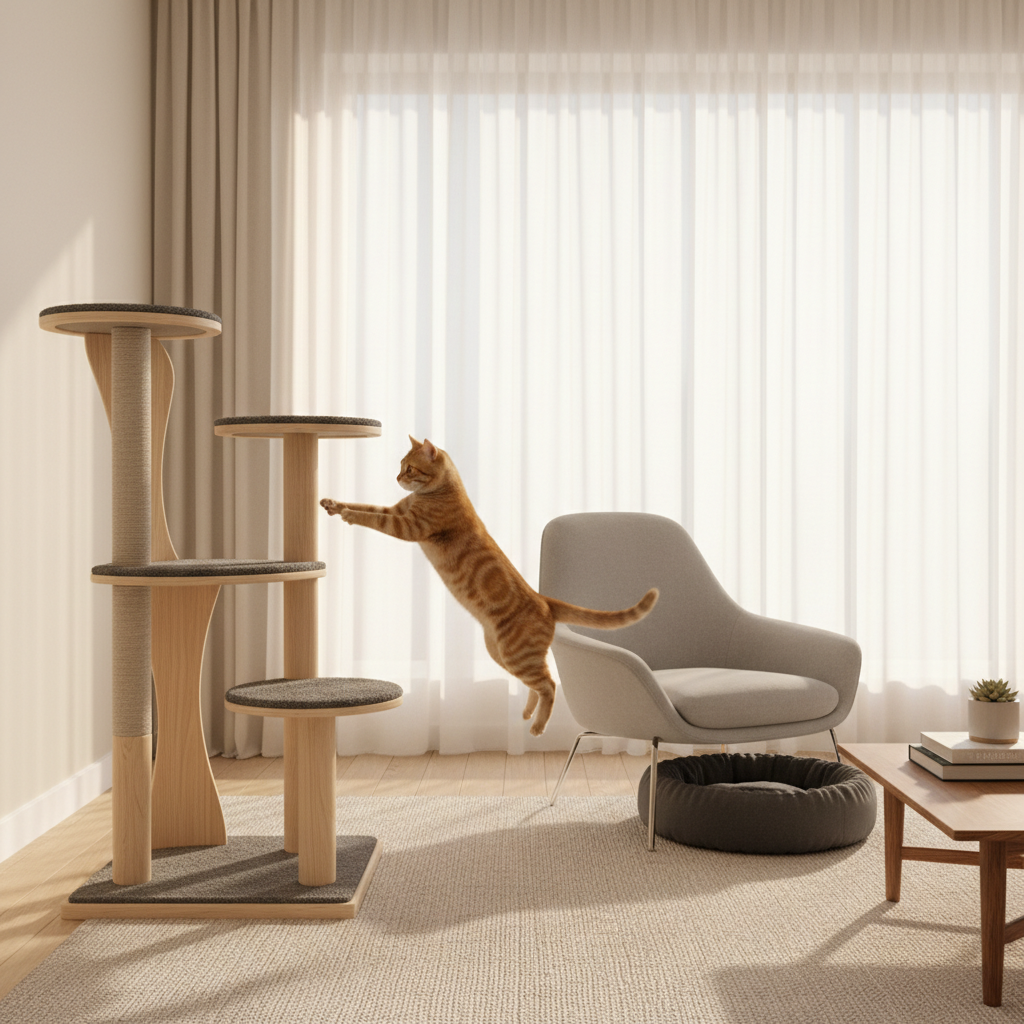
Imagine walking into a space that feels like it was built just for you—where every shelf is a staircase and every window offers a front-row seat to the world. For our feline companions, the concept of cats homes goes far beyond four walls and a roof. It is about creating a sensory-rich landscape that satisfies their wild instincts while keeping them safe and snug. Whether you are moving into a new apartment or looking to upgrade your current living room, understanding how to balance human aesthetics with feline needs is the key to a harmonious household.
The Architecture of Happiness: Cat-Friendly Design Essentials
When we think about design for cats, we often think of bulky carpeted towers that clash with our decor. However, modern cats homes are shifting toward integrated solutions that look like high-end furniture. The secret lies in verticality. Cats are natural climbers who feel most secure when they can survey their kingdom from above. By installing sleek wall-mounted steps or clear acrylic walkways, you can provide the elevation they crave without sacrificing floor space.
Maximizing the Cat Home Environment
A successful cat home environment addresses the 'Three H’s': High spots, Hidey-holes, and Hunting zones. While dogs might be happy with a plush bed on the floor, cats require variety. Understanding the differences for pet owners when it comes to spatial needs is vital. While a dog sees a room as a flat plane, a cat sees it as a 3D playground. Incorporating recessed nooks in bookshelves or 'cat caves' under side tables allows them to retreat when they need a break from the social action.
Vertical Territory: Use shelving and tall cat furniture to expand their living area.
Visual Stimulation: Place perches near windows to provide 'cat TV' (bird watching).
Safe Retreats: Ensure every room has at least one enclosed space where the cat can feel invisible.
Scent Mapping: Use scratching posts strategically to allow cats to mark their territory visually and through scent.
Understanding Cat Behavior in Homes
To truly optimize cats homes, we must look through the eyes of the inhabitant. Cat behavior in homes is heavily influenced by their dual nature as both predator and prey. This is why a cat might suddenly zoom across the room or hide when a guest arrives. Providing cat home enrichment—such as puzzle feeders or automated toys—helps channel that predatory energy into positive outlets. If you've ever wondered about the professional analysis of domestic companionship, you'll know that a stimulated cat is a well-behaved cat.
The Role of Specialized Cat Furniture
Gone are the days of the neon-colored scratching post. Today’s cat furniture includes mid-century modern litter box enclosures, sculptural scratching pillars made of natural sisal, and felted wool beds that look like art pieces. When choosing pieces for indoor cat living, prioritize materials that are easy to clean but satisfying to scratch. Remember, if you don't provide a designated place to sharpen claws, your sofa will become the default choice.
A house is not a home without a cat, but a cat is not truly ‘at home’ until the environment meets their biological needs for safety and exploration. — Feline Wellness Expert
Conclusion: Building a Shared Sanctuary
Creating the perfect cats homes isn't about a single weekend renovation; it's an evolving process of observing your pet and adjusting to their personality. By blending cat-friendly design with your personal style, you create a space where both species can thrive. From the kitchen to the bedroom, every corner offers an opportunity for enrichment and bonding. When we invest in the quality of our indoor cat living spaces, we aren't just buying furniture—we are improving the mental and physical health of our furry family members.
If you are ready to take the next step in customizing your living space for your feline friends, we are here to help. Whether you need advice on layout or recommendations for the best durable materials, our team can guide you through the process of making your house a true home for everyone.
Frequently Asked Questions
What are the most important features in cats homes?
The most important features include vertical space (shelves or trees), scratching surfaces, private hiding spots, and access to natural light and window views.
How can I make my small apartment more cat-friendly?
Focus on verticality! Use wall-mounted shelves, window perches, and over-the-door organizers to create a 'cat highway' that doesn't take up any floor space.
Does cat furniture have to be ugly?
Not at all. There is a growing market for 'cattification' products that use high-quality wood, felt, and modern fabrics to match contemporary interior design styles.
How do I stop my cat from scratching my furniture?
Provide attractive alternatives like sisal-wrapped posts near the furniture they currently target, and use cat home enrichment toys to keep them occupied.
Should indoor cats have access to every room?
While cats enjoy exploring, it's often better to have some 'cat-free' zones for your own peace of mind, provided their primary living areas are highly enriched.
How many litter boxes do I need in a multi-cat home?
The general rule for cats homes is one litter box per cat, plus one extra, distributed in different locations to prevent territorial disputes.
Comments