Bake Perfect Cupcakes: A Beginner's Guide
- primestackapps
- Jan 31
- 5 min read

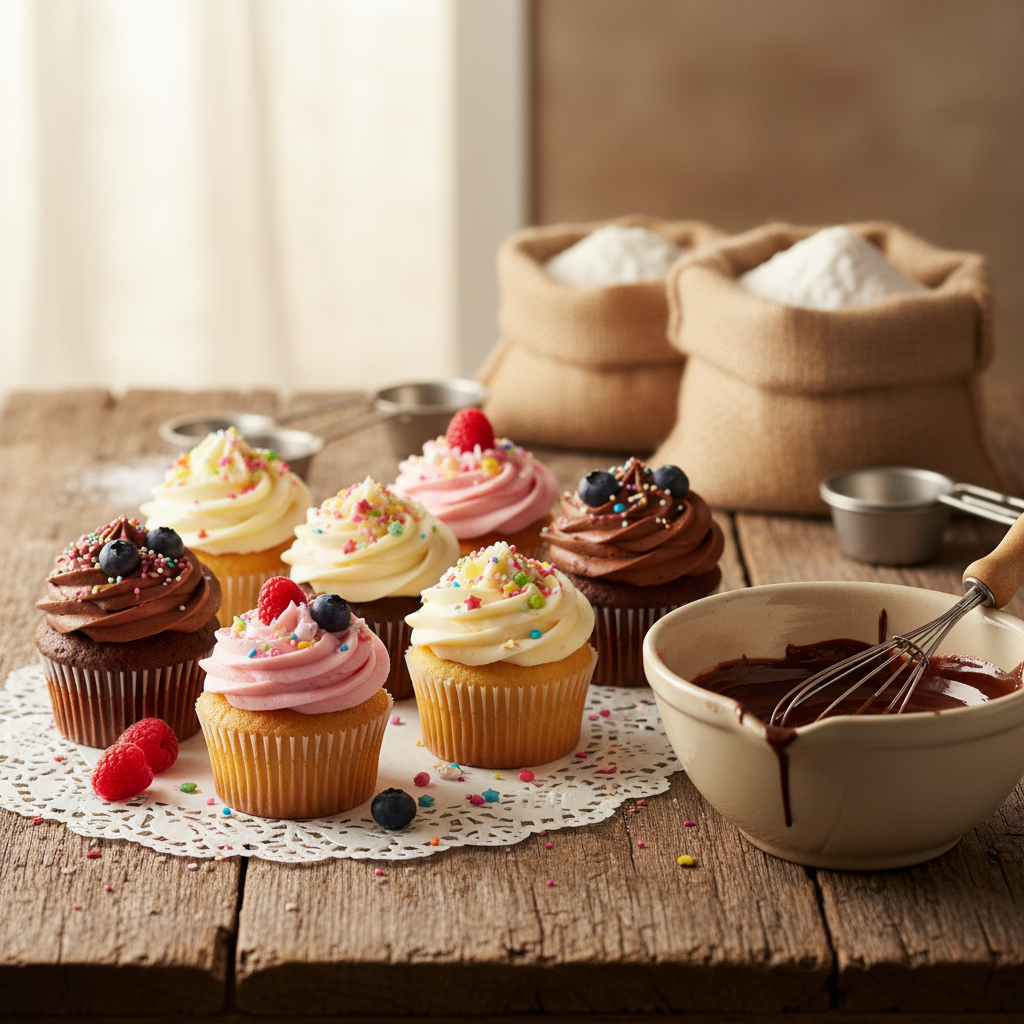
There is something undeniably magical about cupcakes. These miniature masterpieces are more than just smaller versions of traditional cakes; they are individual canvases for creativity, joy, and flavor. Whether you are celebrating a milestone birthday, hosting a cozy afternoon tea, or simply craving a sweet pick-me-up, the humble cupcake is the perfect solution. In this guide, we will walk you through everything you need to know about creating the perfect batch, from the science of the batter to the art of the frosting.
Table of Contents
01. Understanding the Anatomy of Perfect Cupcakes
Before you crack your first egg, it is essential to understand what makes a cupcake truly exceptional. Unlike a standard cake, a cupcake needs to be sturdy enough to hold its shape without a pan once baked, yet light enough to melt in your mouth. Achieving this balance requires a basic understanding of how ingredients interact.
The Role of Ingredients
Every ingredient in a cupcake recipe serves a specific purpose. Flour provides the structure, sugar adds sweetness and moisture, eggs act as a binder, and fats like butter or oil ensure a tender crumb. When you are baking delicious cakes, whether large or small, the quality of these components dictates the final result.
Room Temperature Ingredients: Ensure your eggs, butter, and milk are at room temperature to create a smooth, emulsified batter.
Precision Measuring: Use a kitchen scale for flour to avoid heavy, dense cakes.
Leavening Agents: Check the expiration date on your baking powder and soda to ensure your cupcakes rise beautifully.
02. Finding Your Best Cupcake Recipe
Searching for the best cupcake recipe can feel overwhelming with thousands of options online. However, most great recipes fall into two categories: the creaming method and the oil-based method. The creaming method (beating butter and sugar) results in a fluffy, buttery texture, while oil-based recipes often stay moist for longer periods.
A Simple Vanilla Base for Beginners
If you are looking for easy cupcakes that never fail, start with a classic vanilla bean base. This versatile recipe allows you to experiment with different fillings and frostings later on. Remember that homemade cupcakes are always superior to box mixes because you control the quality of the extracts and the amount of sugar.
Preheat your oven to 350°F (175°C) and line a muffin tin with paper liners.
Whisk together your dry ingredients: flour, baking powder, and salt.
In a separate bowl, cream together softened butter and sugar until pale and fluffy.
Add eggs one at a time, followed by high-quality vanilla extract.
Alternately add the dry ingredients and whole milk, beginning and ending with the dry mix.
Fill liners only 2/3 full to prevent overflowing.
03. Essential Tools for Baking Cupcakes
You don't need a professional kitchen to produce bakery-quality results, but a few key tools will make the process much smoother. Investing in the right equipment ensures consistency across every batch you bake.
Standard Muffin Tin: A heavy-gauge aluminum pan provides even heat distribution.
Cookie Scoop: This is the secret to ensuring every cupcake is the exact same size, which leads to even baking times.
Wire Cooling Rack: Removing cupcakes from the hot pan after five minutes and placing them on a rack prevents the bottoms from becoming soggy.
Piping Bags and Tips: Even a simple round tip can elevate the look of your treats.
While we focus on human treats here, it is important to remember that our furry friends often want to join the party. If you are baking for a four-legged companion, be sure to follow a guide to safe and delicious treats specifically designed for dogs, as many human ingredients like chocolate and xylitol are toxic to them.
04. Mastering the Art of Cupcake Decorating
Cupcake decorating is where you can truly let your personality shine. From elegant buttercream roses to whimsical sprinkles, the possibilities are endless. The foundation of any good decoration is a stable frosting.
Types of Frosting
Not all frostings are created equal. American Buttercream is the easiest for beginners—it's sweet, crusts slightly, and holds its shape well. Swiss Meringue Buttercream is silkier and less sweet, making it a favorite for gourmet cupcakes. For a tangy twist, Cream Cheese frosting is the gold standard for red velvet or carrot cake varieties.
The Classic Swirl: Use a large open star tip (like a 1M or 2D). Start in the center, move to the edge, and spiral back toward the middle.
The Flat Top: Use an offset spatula to create a smooth, modern surface perfect for hand-painted details.
Fillings: Use a small knife to remove the center of the cupcake and fill it with lemon curd, chocolate ganache, or jam before frosting.
05. Troubleshooting Common Baking Issues
Even experienced bakers encounter the occasional mishap. Understanding why things go wrong is the best way to improve your skills for the next batch.
Why Did My Cupcakes Sink?
If your cupcakes look beautiful in the oven but collapse as they cool, you may have over-beaten the batter. Over-mixing incorporates too much air, which expands and then bursts. Another common culprit is opening the oven door too early, causing a sudden temperature drop.
Why Are My Liners Peeling?
Peeling liners are often caused by steam. If you leave your cupcakes in the hot tin for too long, moisture builds up between the paper and the cake. Always move them to a cooling rack promptly. If you find yourself needing a break from the kitchen to spoil your pup with a walk while they bake, just make sure you set a reliable timer!
06. Advanced Techniques and Flavor Pairings
Once you have mastered the basics, it's time to explore complex flavor profiles. Think beyond chocolate and vanilla. Consider seasonal inspirations like pumpkin spice in the autumn or fresh strawberry basil in the summer.
Infusing flavors into your milk or cream can add a subtle depth to your batter. Steeping lavender, Earl Grey tea, or even toasted coconut into your liquid ingredients before mixing can transform an ordinary cupcake into a gourmet experience.
07. Conclusion and Next Steps
Baking cupcakes is a journey of constant learning and delicious rewards. By focusing on quality ingredients, proper technique, and creative decorating, you can create treats that bring a smile to anyone's face. Remember that every mistake is just a lesson in disguise, and even a less-than-perfect cupcake still tastes like home.
We hope this guide has inspired you to preheat your oven and start whisking. Whether you are aiming for the best cupcake recipe ever or just want a fun weekend project, the most important ingredient is the love you put into your baking.
Frequently Asked Questions
How long do cupcakes stay fresh?
Homemade cupcakes are best enjoyed within 48 hours of baking. Store them in an airtight container at room temperature. If they contain dairy-based fillings or cream cheese frosting, they should be refrigerated.
Can I freeze cupcakes?
Yes! Unfrosted cupcakes freeze beautifully. Wrap them individually in plastic wrap and store in a freezer bag for up to three months. Thaw at room temperature before frosting.
Why do my cupcakes have a peak or crack on top?
This usually happens when the oven temperature is too high. The outside sets before the inside has finished rising, forcing the center to burst through the top. Try lowering your oven by 25 degrees.
How many cupcakes does a standard recipe make?
Most standard recipes are designed to produce 12 to 15 regular-sized cupcakes or about 36 to 40 mini cupcakes.
What is the best way to transport decorated cupcakes?
Invest in a dedicated cupcake carrier with individual recessed holes. This prevents them from sliding around and ruining the frosting during travel.
Can I use oil instead of butter in a cupcake recipe?
Yes, but it will change the texture. Oil makes cupcakes more moist and airy, while butter provides a richer flavor and a denser, more traditional cake crumb.
Comments