Dog Cakes: A Guide to Safe and Delicious Treats

There is something truly special about the bond we share with our canine companions. They are there for us through thick and thin, offering wagging tails and wet kisses regardless of the day we have had. Because dogs are humanity's best friends, it is only natural that we want to celebrate their milestones just as we do for our human family members. Whether it is a birthday, a 'gotcha day,' or a graduation from puppy school, dog cakes have become the centerpiece of pet celebrations everywhere. In this guide, you will learn how to create a healthy dog cake that is as nutritious as it is delicious.
Understanding the Basics of Dog Cakes
Before you grab your mixing bowl, it is essential to understand that dog cakes are not just smaller versions of human cakes. Our furry friends have very different digestive systems and nutritional requirements than we do. While we might enjoy sugary frostings and chocolate sponges, these can be incredibly dangerous for dogs. Baking for dogs requires a shift in mindset from indulgence to health-conscious celebration.
Why Bake a DIY Dog Cake?
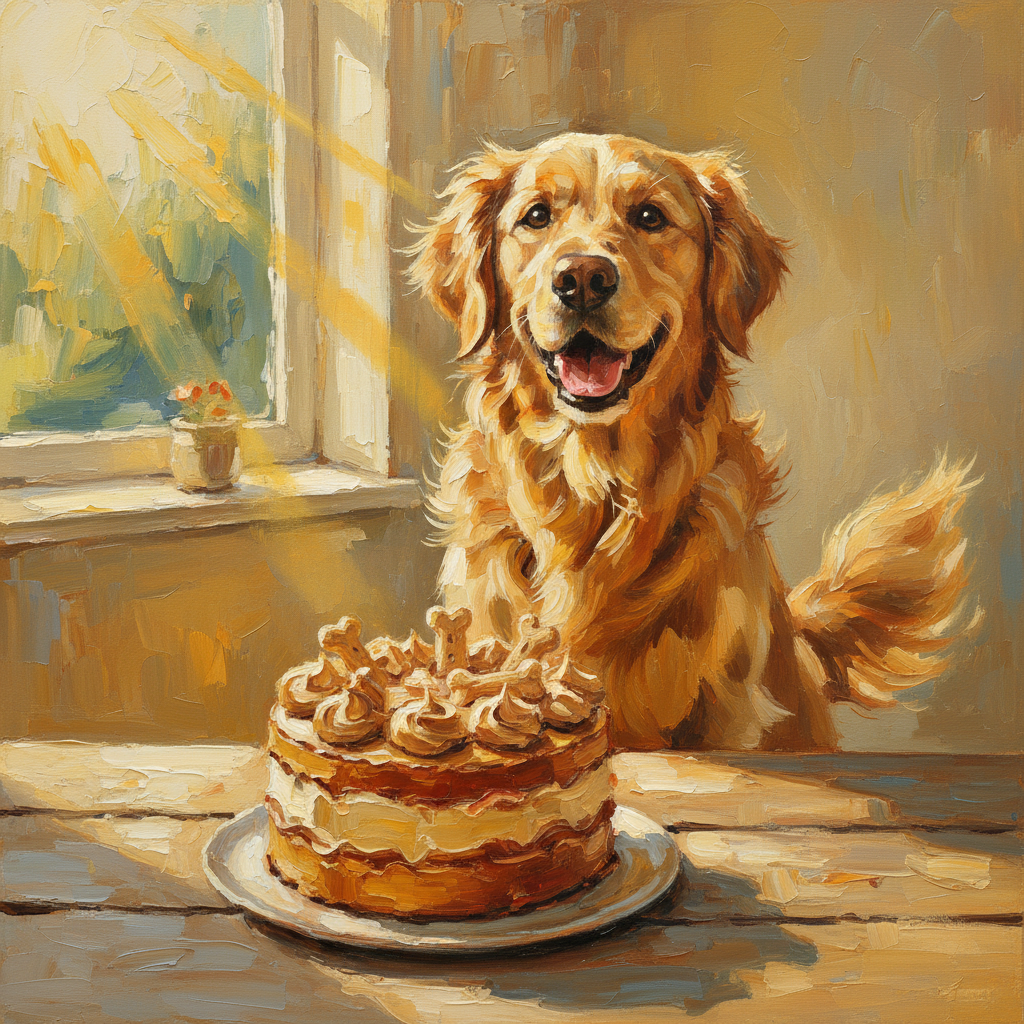
Choosing a diy dog cake over a store-bought version gives you complete control over what goes into your pet's body. Many commercial pet treats contain preservatives, artificial colors, and fillers that don't add any nutritional value. When you bake at home, you can tailor the ingredients to your dog's specific dietary needs, allergies, and taste preferences. Plus, the process of baking is a wonderful way to show your love.
Safe Dog Cake Ingredients vs. Toxic Foods
Safety is the number one priority when selecting safe dog cake ingredients. You must avoid chocolate, xylitol (a common sugar substitute), grapes, raisins, and excessive salt or sugar. Instead, focus on whole-food ingredients that provide vitamins and minerals. Understanding these key differences for pet owners ensures that your celebration remains a happy memory rather than a trip to the vet.
Dog-safe flours: Oat flour, coconut flour, or whole wheat flour (if your dog isn't gluten-sensitive).
Natural sweeteners: Unsweetened applesauce, mashed bananas, or a small amount of raw honey.
Protein boosts: Plain Greek yogurt, eggs, and natural peanut butter (ensure it is xylitol-free).
Healthy vegetables: Pureed pumpkin (not pie filling), shredded carrots, and zucchini.
The Ultimate Healthy Dog Cake Recipe
Ready to start baking? This dog cake recipe is a fan favorite because it uses simple pantry staples and is gentle on sensitive stomachs. This recipe creates a dense, muffin-like texture that dogs absolutely love. It is packed with fiber and protein, making it a much better alternative to processed treats.
Ingredients for the Base
Gather these items before you begin. Most of these can be found in any standard kitchen, making this an accessible project for any pet parent.
1 cup whole wheat or oat flour
1 tsp baking soda
1/4 cup natural peanut butter (xylitol-free)
1/4 cup vegetable oil or melted coconut oil
1 cup shredded carrots
1/3 cup honey (optional)
1 egg
1 tsp vanilla extract (pure, no alcohol content)
Step-by-Step Instructions
Preheat your oven to 350°F (175°C) and grease a small cake pan or muffin tin.
In a large bowl, whisk together the egg, peanut butter, oil, honey, and vanilla.
Stir in the shredded carrots and mix well.
Sift in the flour and baking soda, folding gently until just combined. Do not overmix.
Pour the batter into the prepared pan and bake for 25-30 minutes, or until a toothpick comes out clean.
Allow the cake to cool completely on a wire rack before frosting. This is crucial as warm cakes will melt the dog-friendly frosting.
Frosting and Decorating Your Dog Birthday Cake
The 'wow' factor of any dog birthday cake comes from the decoration. Since we cannot use traditional buttercream, we have to get creative with dog-safe alternatives. A simple mixture of plain Greek yogurt and a bit of peanut butter creates a spreadable consistency that looks just like real frosting.
Natural Frosting Ideas
If you want a stiffer frosting that holds its shape for piping, try mashing boiled potatoes (peeled) with a little water or yogurt until smooth. This 'potato frosting' is a classic in the world of homemade dog treats because it is easy to work with and very healthy.
The Yogurt Swirl: Mix 1/2 cup Greek yogurt with 2 tablespoons of peanut butter.
The Pumpkin Pipe: Mix pumpkin puree with a little coconut flour to thicken it for piping stars or borders.
The Cream Cheese Classic: Use low-fat cream cheese beaten until fluffy (best for dogs who tolerate dairy well).
Creative Toppings
Forget the sprinkles! You can decorate your cake using items you already have. Small homemade dog treats can be placed around the edge of the cake for extra crunch. You can also use fresh blueberries, sliced strawberries, or even small pieces of cooked bacon for a savory-sweet surprise. Just remember to keep the portions reasonable.

Nutritional Considerations for Homemade Dog Treats
While dog cakes are a wonderful treat, they should be viewed as exactly that—a treat. They are not meant to replace a balanced meal. When introducing new foods to your dog's diet, it is always a good idea to start with a very small piece to ensure they don't have an adverse reaction. Just as you would research choosing the right dog leash for safety, you should research every ingredient you put into their treats.
Portion Control and Storage
A common mistake pet owners make is letting their dog eat the entire cake at once. This can lead to stomach upset or pancreatitis due to the richness of ingredients like peanut butter. Cut the cake into small, bite-sized wedges appropriate for your dog's size. Leftover cake can be stored in an airtight container in the refrigerator for up to 3-5 days, or frozen for up to two months.
Dietary Restrictions and Substitutions
If your dog has specific allergies, don't worry! Most dog cakes are very adaptable. For grain-free options, substitute the flour with chickpea flour or almond flour. If your dog is allergic to eggs, you can use a 'flax egg' (1 tablespoon ground flaxseed mixed with 3 tablespoons water). Always consult your veterinarian if you are unsure about a specific ingredient.
Conclusion: Celebrating Your Companion
Baking dog cakes is more than just a culinary project; it's an expression of the love we have for our pets. By choosing high-quality ingredients and taking the time to bake from scratch, you are contributing to your dog's health and happiness. Whether it's a simple peanut butter loaf or an elaborate tiered masterpiece, your dog will appreciate the effort (and the taste!) more than you know. So, preheat your oven, grab your apron, and get ready to make some memories.
We hope this guide has inspired you to try your hand at baking for your pup. If you enjoyed these tips and want to stay updated on the best ways to care for your furry friend, we would love to have you in our community.
Frequently Asked Questions
Can dogs eat regular human cake?
Generally, no. Human cakes contain high amounts of sugar, butter, and often toxic ingredients like chocolate or xylitol. It is much safer to bake a dedicated dog cake using pet-safe ingredients.
Is peanut butter safe for dog cakes?
Yes, but you must check the label to ensure it does not contain xylitol (an artificial sweetener) or excessive added salt and sugar. Natural, unsalted peanut butter is the best choice.
How much cake can I give my dog?
Treats should make up no more than 10% of your dog's daily caloric intake. For a medium-sized dog, a small wedge (about 2-3 inches) is usually plenty for one sitting.
Can I use flour in a dog cake?
Yes, most dogs can tolerate whole wheat, oat, or coconut flour. If your dog has a known grain sensitivity, stick to grain-free alternatives like chickpea or almond flour.
How do I store a homemade dog cake?
Because they contain fresh ingredients like yogurt or fruit, dog cakes should be kept in an airtight container in the refrigerator. They typically stay fresh for 3 to 5 days.
What can I use instead of sugar in a dog cake?
Natural sweetness from mashed bananas, unsweetened applesauce, or a small drizzle of honey are excellent, safe alternatives to refined sugar.
Comments