Spoil Your Pup: A Guide to Safe & Tasty Treats

If you are a dog owner, you already know that look. The head tilt, the wagging tail, and those soulful eyes that follow your every move when you reach for a bag in the pantry. Giving dog treats is one of the greatest joys of pet ownership. It is a moment of connection, a reward for a job well done, or simply a way to say 'I love you' in a language your furry friend understands perfectly. But with so many options filling the aisles of pet stores, how do you know you are making the best choice for your companion's health and happiness?
In this comprehensive guide, we are going to dive deep into the world of dog treats. We will explore the different types of snacks available, how to identify healthy dog treats from the sugary fillers, and even how you can whip up some delicious homemade dog treats in your own kitchen. Whether you have a tiny chihuahua or a massive Great Dane, understanding what goes into their snacks is vital for their long-term well-being.
Understanding the Role of Dog Treats in Your Pet's Life
Treats are more than just extra calories; they are a multifunctional tool in your parenting toolkit. Understanding why we give treats helps us choose the best dog treats for specific situations. For instance, the snack you use to keep a dog quiet during a Zoom call should be very different from the one you use to teach them to 'sit' in a busy park.
Training and Positive Reinforcement
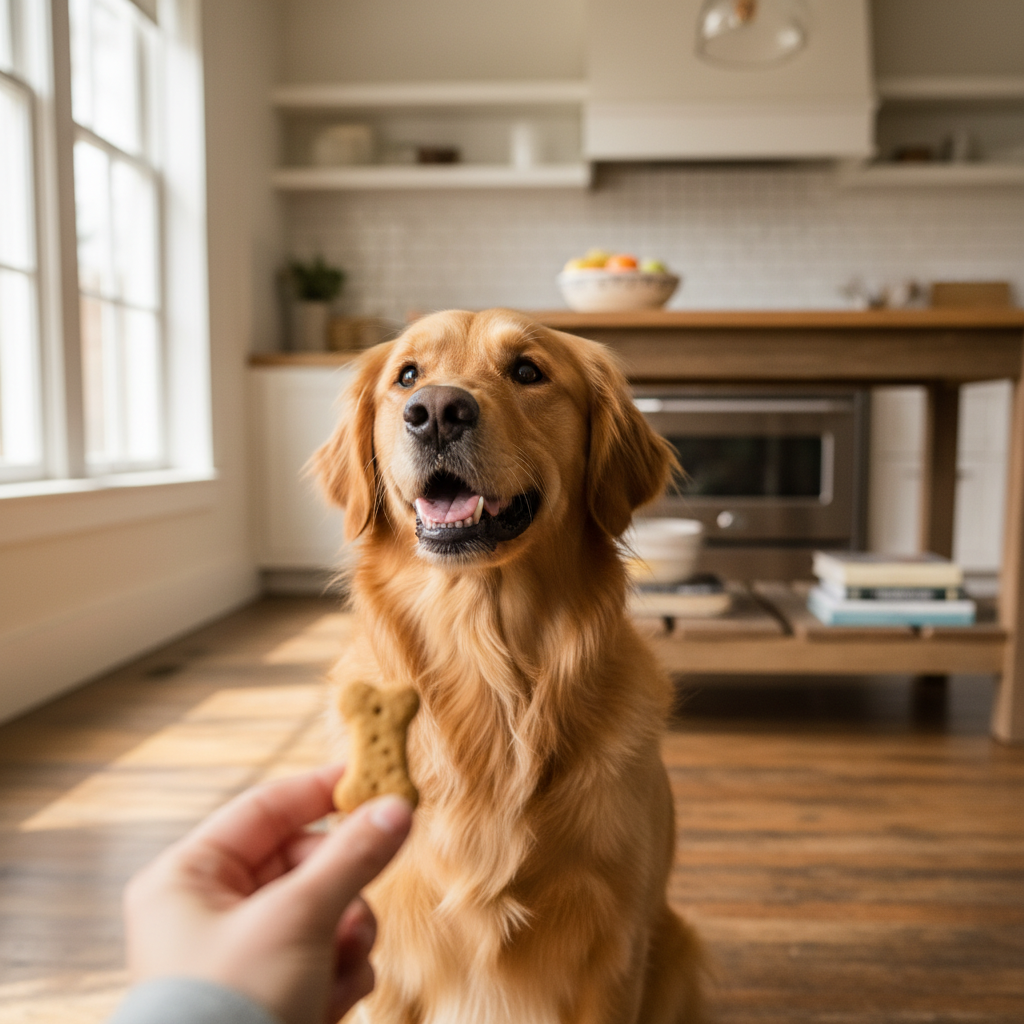
Most professional trainers agree that positive reinforcement is the most effective way to communicate with your pet. When your dog performs a desired behavior and receives a tasty reward, they are much more likely to repeat that behavior. For training, you generally want small, high-value snacks that can be eaten quickly so you don't lose the momentum of the session. This is where choosing the best toys for dogs can also come into play, as some toys are designed to hold treats to provide a longer-lasting reward.
Dental Health and Hygiene
Believe it or not, some treats are actually functional. Dental chews are designed to scrape away plaque and tartar as your dog chews. While they don't replace regular brushing, they are a helpful supplement to a canine oral hygiene routine. Look for products with the VOHC (Veterinary Oral Health Council) seal to ensure they actually do what they claim.
What Makes a 'Healthy' Dog Treat?
Not all treats are created equal. Just like human snack food, some dog treats are packed with artificial colors, preservatives, and empty calories. To find truly healthy dog treats, you need to become a bit of a label detective. The best rule of thumb is 'less is more'—the fewer ingredients on the label, the easier it is to know exactly what your dog is consuming.
Whole food ingredients: Look for meat, vegetables, or fruits as the first items listed.
Natural preservatives: Ingredients like Vitamin E (mixed tocopherols) or Rosemary extract are better than chemical ones like BHA or BHT.
Low calorie count: Treats should never make up more than 10% of your dog's daily caloric intake.
Grain-free vs. Grain-inclusive: Depending on your dog's allergies, you may want to avoid wheat, corn, or soy.
Sustainably sourced: Natural dog treats often come from ethical sources that avoid hormones and antibiotics.
The Importance of Natural Dog Treats
Natural dog treats are gaining popularity for a good reason. These snacks are typically made without synthetic additives or highly processed fillers. Common examples include dehydrated sweet potato slices, freeze-dried liver, or even simple pieces of carrot. By sticking to natural options, you reduce the risk of digestive upset and allergic reactions in sensitive pups. When you consider why dogs are humanity's best friends, it only makes sense that we want to provide them with the highest quality nutrition possible to keep them around for as long as we can.
DIY Magic: Homemade Dog Treats
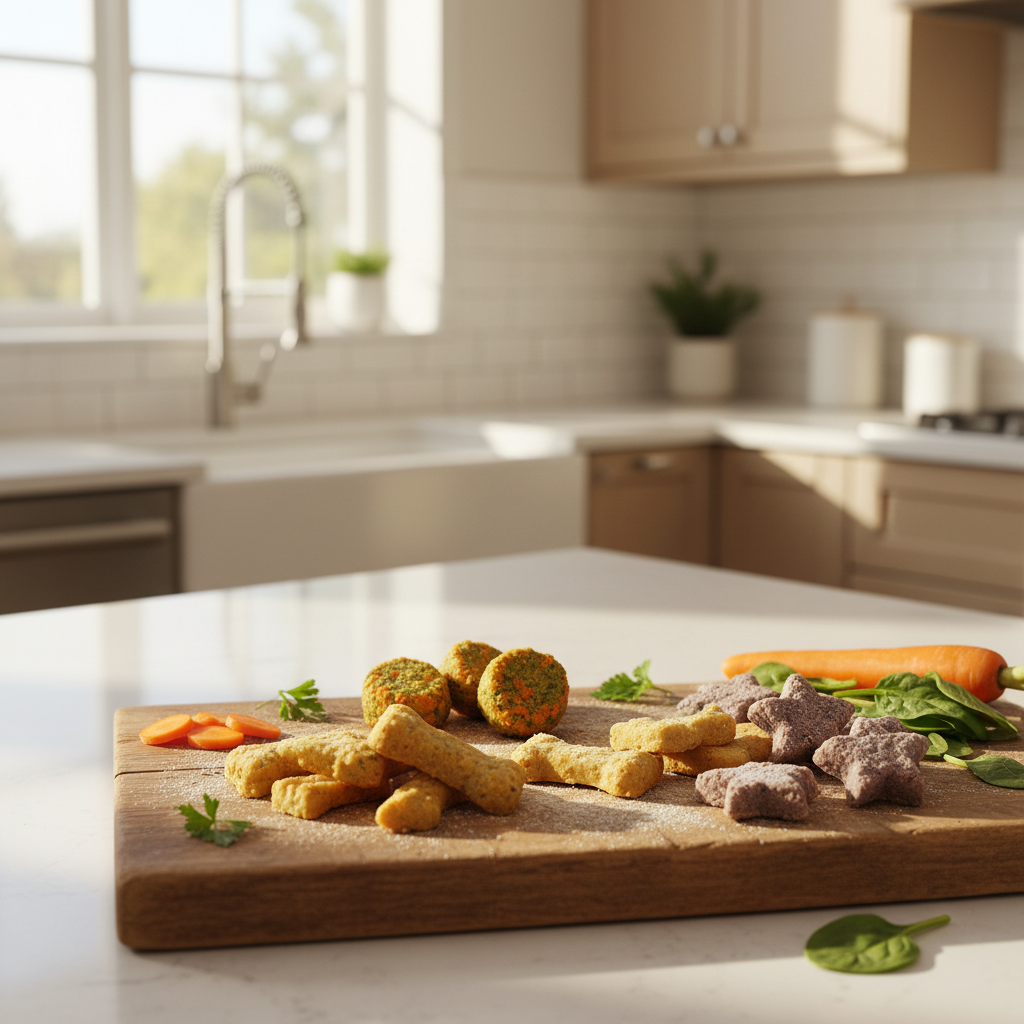
If you want total control over what your dog eats, making homemade dog treats is the way to go. It is often more cost-effective than buying premium brands, and you can tailor the recipes to your dog's specific tastes or dietary needs. Plus, your house will smell amazing (at least to your dog) while they bake!
Simple Dog Treat Recipes to Try
You don't need to be a Michelin-starred chef to make great snacks. Here are two very basic dog treat recipes that most canines go crazy for:
Peanut Butter & Pumpkin Biscuits: Mix 1 cup of pumpkin puree, 2 eggs, and 1/2 cup of peanut butter (ensure it is Xylitol-free). Add about 2-3 cups of whole wheat flour until a dough forms. Roll out, cut into shapes, and bake at 350°F for 20 minutes.
Frozen Yogurt Drops: Mix plain Greek yogurt with mashed blueberries. Drop small dollops onto a parchment-lined tray and freeze. These are perfect for hot summer days!
Sweet Potato Chews: Slice sweet potatoes into 1/4 inch rounds and bake at a low temperature (250°F) for 2.5 to 3 hours until they are chewy and dehydrated.
If you enjoy baking for your pet, you might also be interested in our guide on safe and delicious dog cakes for those extra special occasions like birthdays or 'gotcha' days.
Safety First: What to Avoid
While we love to share our food with our pets, many 'human' foods are actually toxic to dogs. Creating safe dog treats means knowing exactly what should never cross your pup's lips. Always double-check ingredients before introducing a new snack.
Xylitol: An artificial sweetener found in some peanut butters and sugar-free candies. It is extremely toxic to dogs.
Grapes and Raisins: These can cause sudden kidney failure in dogs.
Chocolate and Caffeine: These contain stimulants that affect a dog's heart and nervous system.
Onions and Garlic: These can damage a dog's red blood cells.
Macadamia Nuts: Can cause weakness, vomiting, and tremors.
The Danger of Rawhide
Many people grew up giving their dogs rawhide, but modern veterinary medicine often advises against it. Rawhide is a byproduct of the leather industry and is often treated with harsh chemicals. Furthermore, it is notoriously difficult to digest and can cause life-threatening intestinal blockages if a dog swallows a large piece. Opt for safer alternatives like bully sticks, Himalayan yak chews, or rubber chew toys instead.
Treating for Different Life Stages
Just as a puppy has different nutritional needs than a senior dog, their treats should vary as well. The best dog treats for a teething puppy are not the same as those for a 12-year-old dog with sensitive teeth.
Puppy Treats
Puppies have tiny mouths and developing digestive systems. Look for soft, small treats that won't overwhelm them. Since puppies are usually in the middle of intensive training, low-calorie 'training bites' are essential so they don't gain too much weight during their learning phase.
Senior Dog Treats
Older dogs may struggle with hard biscuits if they have dental issues or missing teeth. Soft-baked treats or canned food frozen into small bites can be much easier for them to enjoy. Additionally, many senior treats include supplements like glucosamine and chondroitin to help support aging joints.
Key Takeaways
Treats should never exceed 10% of a dog's total daily calories.
Natural dog treats with minimal ingredients are generally the healthiest choice.
Always avoid toxic ingredients like Xylitol, grapes, and chocolate.
Homemade dog treats are a cost-effective and safe alternative to store-bought options.
Match the texture and size of the treat to your dog's age and health status.
Use high-value treats for training and functional treats for dental health.
Conclusion
Choosing the right dog treats is a simple yet powerful way to improve your pet's quality of life. By focusing on healthy dog treats and perhaps experimenting with some dog treat recipes at home, you are showing your dog the care they deserve. Remember that while food is a great way to bond, nothing replaces quality time, exercise, and a good walk on the right dog leash. Your dog thinks you are the center of their universe; rewarding them with safe, nutritious snacks is the least you can do in return for their unconditional love.
If you have questions about specific dietary requirements or need recommendations for the best products for your unique pup, don't hesitate to reach out. We are here to help you navigate the wonderful world of pet ownership with confidence.
Frequently Asked Questions
How many treats can I give my dog a day?
As a general rule, treats should make up no more than 10% of your dog's daily caloric intake. If you're doing a lot of training, use very small pieces or subtract the calorie count of the treats from their main meal portion.
Are 'human' snacks like cheese okay for dogs?
In small amounts, plain cheese (like low-fat mozzarella or cheddar) is usually fine for dogs who aren't lactose intolerant. However, avoid any cheeses with added herbs, garlic, or onions.
What are the best treats for dogs with allergies?
For dogs with allergies, limited-ingredient natural dog treats are best. Single-protein snacks, like freeze-dried lamb or duck, often work well for dogs who react to common proteins like chicken or beef.
Can I give my dog fruit as a treat?
Yes! Many fruits like apples (without seeds), blueberries, and bananas are excellent healthy dog treats. Just avoid grapes, raisins, and citrus fruits which can be harmful.
How do I store homemade dog treats?
Since they don't have preservatives, homemade treats should be stored in an airtight container in the fridge for about a week, or in the freezer for up to three months.
Are dental chews really effective?
They can be! Dental treats help reduce plaque and tartar buildup through mechanical scraping. However, they work best alongside regular veterinary checkups and teeth brushing.
Comments