The Enduring Appeal of the Hotdog: A Brief History

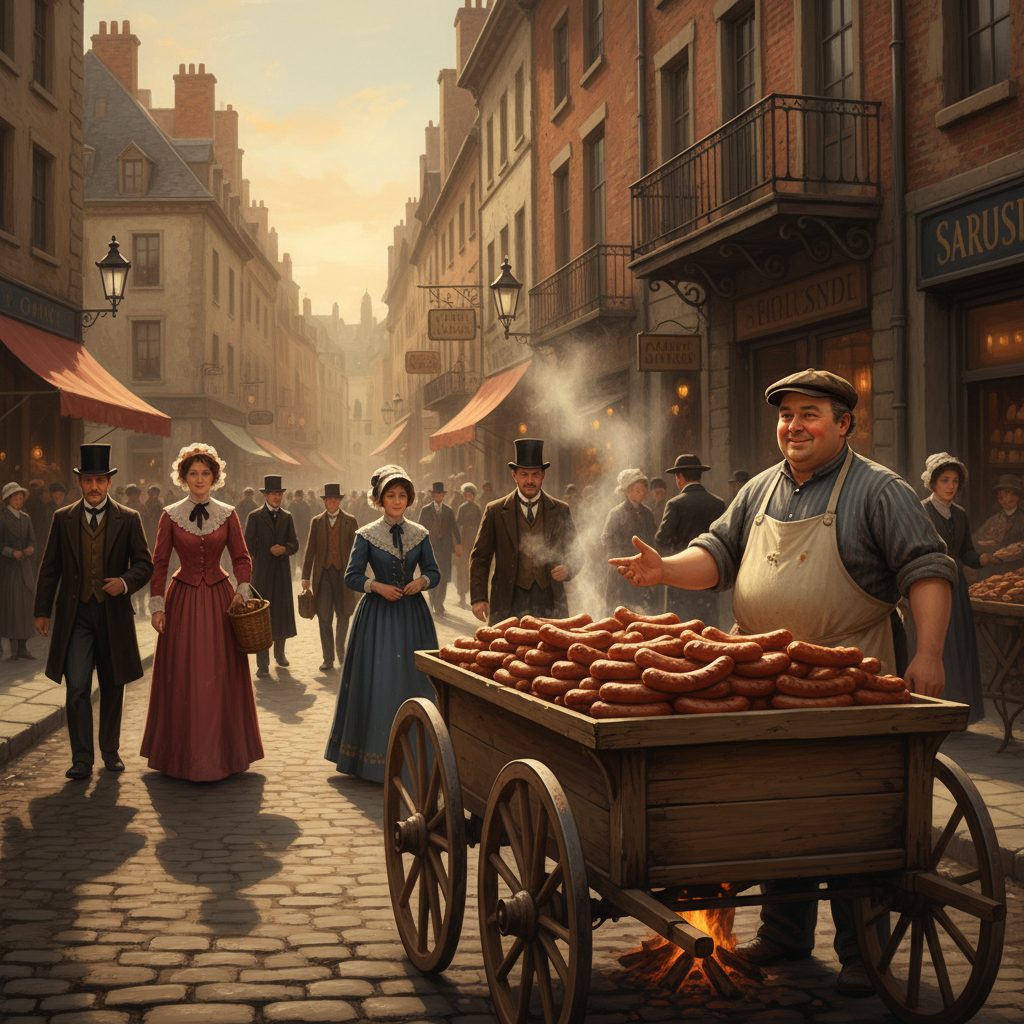
Few foods evoke the feeling of summer quite like a hotdog. Whether you are sitting in the bleachers at a baseball game, standing around a backyard grill, or grabbing a quick bite from a street vendor in a bustling city, the hotdog is a constant companion in the world of casual dining. It is more than just a quick snack; it is a symbol of accessibility and tradition. Despite its simplicity—a cooked sausage nestled in a sliced bun—the hotdog has a rich, complex story that spans centuries and continents.
The Surprising Origins of the Hotdog
To understand the hotdog, we have to look back at the history of the sausage itself. Sausages are one of the oldest forms of processed food, mentioned even in Homer's Odyssey. However, the specific lineage of the hotdog leads us directly to Germany and Austria. The city of Frankfurt, Germany, claims to be the birthplace of the 'frankfurter,' while Vienna (Wien), Austria, points to the 'wiener' as the true ancestor.
From Frankfurt to the New World
While the sausages were perfected in Europe, it was the arrival of German immigrants in the United States during the 1800s that set the stage for a global phenomenon. These immigrants brought their culinary traditions with them, selling 'dachshund sausages' from pushcarts in New York City. The transition from a simple sausage to a hotdog in a bun was a stroke of practical genius, allowing customers to eat on the go without burning their hands or needing silverware.
If you are interested in how different cultures adapt simple ingredients into portable meals, you might enjoy reading about irresistible kebab recipes that share a similar spirit of street-food innovation. Much like the hotdog, the kebab represents a global love for grilled meats.
Why We Call It a 'Hotdog'
The name 'hotdog' is shrouded in urban legend. One popular story suggests that a cartoonist named Tad Dorgan was at a New York Giants baseball game in 1901. He saw vendors selling 'hot dachshund sausages' and, unsure of how to spell 'dachshund,' simply wrote 'hot dogs' in his cartoon caption. While historians haven't found that specific cartoon, the name stuck because of the sausage's long, thin shape, which closely resembled the popular German dog breed.
The term 'frankfurter' comes from Frankfurt, Germany.
The term 'wiener' comes from Vienna, Austria.
The association with dogs likely started as a joke about the sausage's shape.
By the early 20th century, 'hotdog' became the standard American term.
A Cultural Icon: More Than Just Fast Food
The hotdog eventually became a quintessential American food. It represents the 'melting pot' culture of the United States—a European invention refined and popularized by the American working class. Its rise in popularity coincided with the growth of leisure activities, making it the definitive ballpark food. There is a psychological link between the smell of a grilled hotdog and the excitement of a ninth-inning home run.
The Hotdog in Popular Culture
From competitive eating contests on the Fourth of July to its presence in classic cinema, the hotdog is everywhere. It is a food that transcends social classes; you can find it at a roadside stand for a couple of dollars or served in a gourmet fashion at high-end eateries. This versatility is part of what makes it a delicious cultural journey for anyone exploring the history of snacks.
Regional Varieties: A Tour of Toppings
One of the most fascinating aspects of the hotdog is how different regions have claimed it as their own. While the base stays the same, the toppings vary wildly, reflecting local tastes and history. Learning about these variations is like taking a culinary road trip across the country.
The Chicago Style: Dragged through the garden with yellow mustard, neon green relish, chopped onions, tomato wedges, a pickle spear, sport peppers, and celery salt on a poppy seed bun (but never ketchup!).
The New York Style: Simple and classic, usually topped with spicy brown mustard and either sauerkraut or onions sautéed in tomato paste.
The Coney Island: Topped with a savory meat chili (no beans), onions, and mustard, popularized in Michigan and Ohio.
The Sonoran Dog: Wrapped in bacon and topped with pinto beans, onions, tomatoes, jalapeños, mustard, and mayo, originating from the Southwest.
How Hotdogs Are Made: The Basics
For those who have never looked into it, the process of making a hotdog is an interesting feat of food engineering. It begins with 'trimmings' of beef, pork, or poultry. These meats are ground into a very fine paste, known as an emulsion. This ensures the smooth, consistent texture that we associate with the modern hotdog.
The Cooking and Curing Process
Once the meat is emulsified, seasonings like salt, garlic, and paprika are added. The mixture is then stuffed into casings—traditionally natural sheep intestines, though most modern commercial hotdogs use cellulose casings that are removed after cooking. The dogs are then smoked and fully cooked before being packaged, which is why they only need to be 'heated through' before you eat them.
Conclusion: The Timeless Appeal of the Hotdog
Whether you prefer yours charred on a grill or steamed at a stadium, the hotdog remains a staple of our culinary landscape. It has survived the rise of health food trends and the gourmet revolution by staying true to its roots: it is simple, delicious, and brings people together. As we look at the evolution of fast food, few items have maintained their relevance as consistently as the humble hotdog.
Next time you take a bite of a hotdog, remember that you are participating in a tradition that spans hundreds of years. It is a story of immigration, innovation, and the simple joy of a good meal. If you're interested in more guides on popular foods, check out our quick guide to granola for a different kind of snack history.
Frequently Asked Questions
What is the difference between a frankfurter and a hotdog?
Technically, a frankfurter is a specific type of German pork sausage. In common modern usage, 'hotdog' refers to the sandwich (sausage plus bun), while 'frankfurter' refers to the sausage itself.
Why is ketchup on a hotdog controversial?
In certain culinary hubs like Chicago, ketchup is seen as a way to mask the flavor of the meat and the complexity of the other toppings. Purists believe mustard provides the necessary acidity without the overwhelming sweetness of ketchup.
Are hotdogs pre-cooked?
Yes, almost all commercially sold hotdogs are fully cooked during the manufacturing process. However, it is always recommended to heat them to an internal temperature of 165°F for food safety and better flavor.
What are hotdog casings made of?
Traditionally, they were made from natural animal intestines. Today, many brands use cellulose casings which are stripped off after the sausage is cooked, resulting in 'skinless' hotdogs.
How many hotdogs do Americans eat per year?
It is estimated that Americans consume about 20 billion hotdogs annually, with a significant portion of that consumption occurring during the summer months and on the Fourth of July.
Is a hotdog a sandwich?
This is a debated topic! While the National Hot Dog and Sausage Council argues that it is its own category of food, many culinary definitions classify it as a sandwich because it consists of meat between pieces of bread.
Comments