
Exploring the World of Tote Bags: Styles and Materials

The tote bag has evolved from a simple utilitarian sack into a global symbol of convenience, style, and environmental consciousness. Originally designed for heavy lifting and transport, it now serves as a canvas for self-expression and a critical tool for corporate branding. Whether it is a canvas tote bag used for groceries or a luxury leather version carried in a boardroom, its versatility is unmatched in the world of accessories.
Understanding the Fundamental Concept of the Tote Bag
At its core, a tote bag is defined as a large, unfastened bag with parallel handles that emerge from the sides of its pouch. The term 'tote' literally means 'to carry,' a definition that has remained consistent since the word entered common parlance in the 17th century. However, it wasn't until the 1940s that the design we recognize today became a household staple.
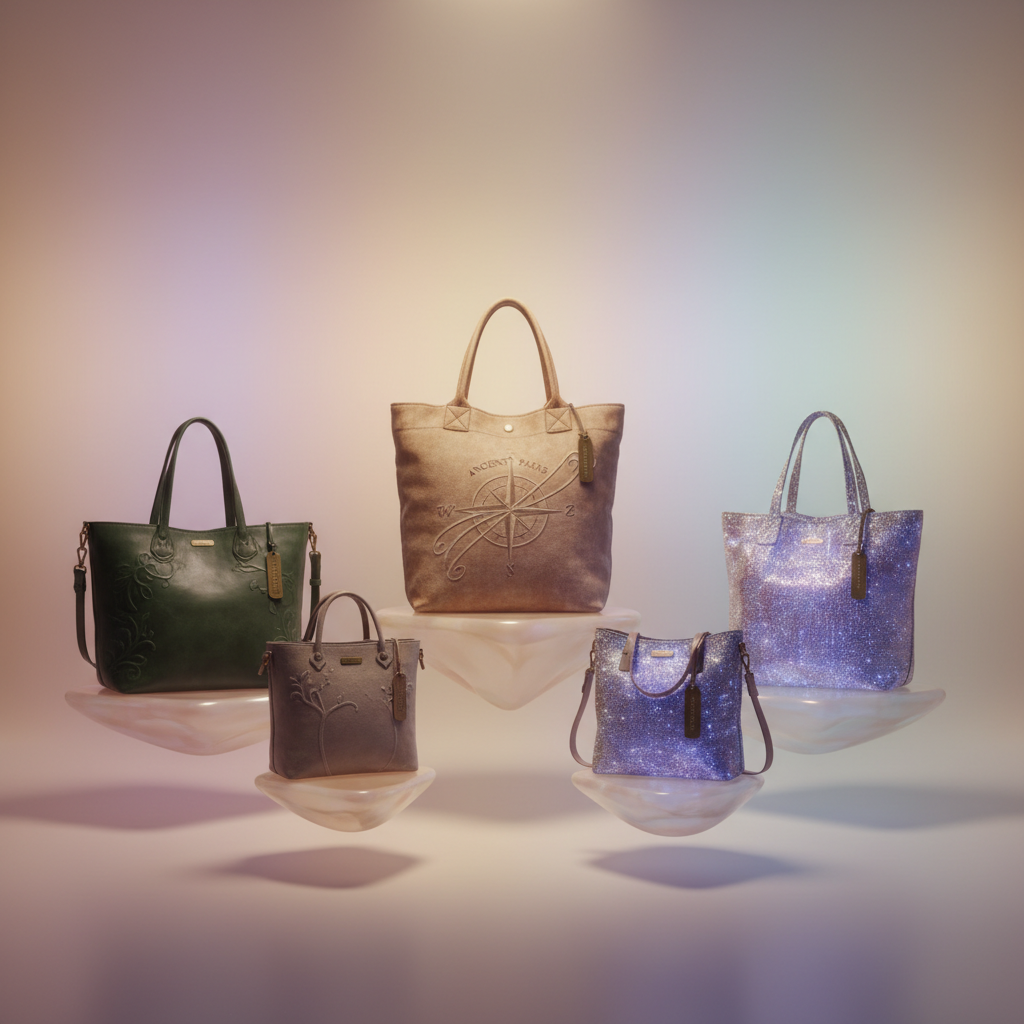
The Origins and the L.L. Bean Influence
The modern trajectory of this accessory began with the introduction of the L.L. Bean Boat Bag in 1944. Originally intended for carrying ice from car to freezer, this heavy-duty canvas tote bag proved that a simple design could handle immense weight while remaining durable. This transition from a niche industrial tool to a general-purpose household item laid the groundwork for the multi-billion dollar industry seen today.
Material Science: From Canvas to Sustainable Synthetics
The durability and appeal of a tote are heavily dependent on the materials used in its construction. While cotton canvas remains the most popular choice due to its natural feel and strength, modern manufacturing has introduced various alternatives that cater to specific needs, such as water resistance or extreme lightweight portability.
Cotton Canvas: Known for breathability and high tensile strength.
Jute and Burlap: Highly sustainable, biodegradable fibers with a rustic aesthetic.
Recycled PET: Made from post-consumer plastic bottles, offering a second life to waste.
Non-Woven Polypropylene: A cost-effective material often used for promotional tote bag production.
Leather and Vegan Leather: Used for high-end fashion and professional environments.
The Rise of the Eco-Friendly Tote Bag
In the contemporary era, the eco-friendly tote bag has become a primary alternative to single-use plastic. As global awareness of plastic pollution increases, many consumers have shifted toward the reusable tote bag as a daily essential. This shift is not merely about fashion; it represents a fundamental change in consumer behavior aimed at reducing the carbon footprint associated with retail shopping.
The Strategic Importance of the Promotional Tote Bag
For businesses, the tote bag serves as a mobile billboard. Unlike digital advertisements that disappear after a click, a physical bag provides long-term brand exposure. When an organization invests in high-quality training and development solutions to empower their team, providing branded gear like a custom tote bag can further enhance team identity and external brand recognition.
Why Totes Excel in Marketing
The effectiveness of a promotional tote bag lies in its high 'cost-per-impression.' Studies in the promotional products industry suggest that a single bag can generate thousands of impressions over its lifetime. Because they are useful, recipients are less likely to discard them compared to brochures or small plastic trinkets.
Functional Value: People keep what they can use.
Large Branding Area: Provides ample space for logos and contact information.
Positive Association: Aligns the brand with sustainability and practical utility.
Longevity: A well-made canvas bag can last for several years of regular use.
Design Principles for the Perfect Custom Tote Bag
Creating an effective tote bag design requires a balance between aesthetics and functionality. A bag that looks beautiful but fails to hold a laptop or groceries will eventually be relegated to the back of a closet. Conversely, a sturdy bag with an unappealing design may only be used for the most mundane tasks.
Key Elements of Tote Bag Design
When conceptualizing a custom tote bag, designers must consider the weight of the fabric, the length of the handles, and the printing method. Screen printing remains a standard for bold, simple logos, while digital printing allows for complex, multi-colored artwork. Furthermore, adding features like interior pockets or zipper closures can significantly increase the perceived value of the item.

Versatile Tote Bag Uses in Daily Life
The utility of the tote extends far beyond the supermarket. Its open-top design and spacious interior make it suitable for a wide variety of scenarios, ranging from professional settings to leisure activities. This adaptability is exactly why they remain a staple in modern wardrobes.
The Professional Commute: Carrying laptops, notebooks, and chargers.
Fitness and Sports: Transporting gym clothes, yoga mats, or athletic shoes.
Travel and Leisure: Serving as a secondary carry-on or a beach bag for towels and sunblock.
Educational Settings: Managing heavy textbooks and stationery for students.
Event Merchandising: Distributing materials at conferences and trade shows.
The Environmental Impact and Sustainability Narrative
While the reusable tote bag is championed as an eco-friendly alternative, its impact depends heavily on how it is used. To truly offset the environmental cost of production, a cotton canvas tote bag must be used hundreds of times. This highlights the importance of quality; a bag that breaks after three uses is not a sustainable solution.
Forward-thinking organizations are now looking at the entire lifecycle of their products. By choosing organic cotton or recycled materials, they ensure that the 'eco-friendly' label is more than just a marketing term. For those interested in organizational growth, it is worth noting how training and development solutions can help teams understand and implement these sustainable procurement practices effectively.
Conclusion: The Enduring Legacy of the Tote
The tote bag is a rare example of a product that has managed to remain relevant for decades by adapting to the needs of the time. From its industrial beginnings to its current role as a champion of sustainability and brand identity, it continues to prove its worth. Whether one is looking for a personal accessory or a powerful marketing tool, the tote offers a blend of simplicity and efficiency that few other items can match.
As we look toward a future where environmental responsibility and functional design are paramount, the importance of high-quality, thoughtfully designed bags will only continue to grow. Investing in the right materials and designs today ensures a lasting impact for years to come.
Frequently Asked Questions
What is the primary difference between a tote bag and a shoulder bag?
The main difference lies in the structure and purpose. A tote bag is typically larger, has an open-top design (unfastened), and features two parallel handles. A shoulder bag often has more internal compartments, closures like zippers or flaps, and is designed primarily for fashion and security.
How many times should I use a canvas tote bag to make it eco-friendly?
According to various environmental studies, a traditional cotton tote bag should be used approximately 131 times to offset the environmental impact of its production compared to a single-use plastic bag.
Can a custom tote bag be used for heavy items?
Yes, provided it is made from heavyweight canvas (10oz to 12oz) and has reinforced stitching at the handles. High-quality canvas tote bags are specifically designed to carry significant weight, such as groceries or books.
What are the best printing methods for a promotional tote bag?
Screen printing is ideal for large quantities and simple designs. For detailed, photographic, or multi-colored designs, Direct-to-Garment (DTG) or heat transfer printing is often preferred.
How do I clean a reusable tote bag?
Most cotton and canvas bags can be machine washed on a cold cycle and air-dried to prevent shrinkage. For non-woven or synthetic bags, spot cleaning with a damp cloth and mild detergent is recommended.
Are tote bags appropriate for a professional business environment?
Absolutely. Leather or high-end structured canvas totes in neutral colors are increasingly common in professional settings for carrying documents and laptops, offering a modern alternative to the traditional briefcase.
Comments