The Ultimate Guide to Choosing the Best Toys for Dogs

Welcoming a dog into your home brings an incredible amount of joy, laughter, and perhaps a bit of chaos. As you navigate the journey of pet ownership, you quickly realize that your canine companion needs more than just food and a place to sleep. They need mental stimulation, physical exercise, and a way to satisfy their natural instincts. This is where the world of toys for dogs becomes essential. Whether you have a tiny sprout of a puppy or a dignified senior, the right toys can transform their daily life, preventing boredom and fostering a deeper bond between you and your best friend.
Why Toys for Dogs are Essential for Health and Happiness
For many new owners, dog toys might seem like a luxury or a simple distraction. However, play is a fundamental biological need for canines. Since dogs are humanity's best friends, we owe it to them to provide an environment that mimics the challenges they would face in the wild, albeit in a safe and loving way.
Physical Health and Weight Management
Just like humans, dogs need regular exercise to maintain a healthy weight and keep their joints limber. Active play with balls, frisbees, and tug toys encourages cardiovascular health. For high-energy breeds, a game of fetch isn't just a game; it is a vital outlet for pent-up energy that might otherwise be directed at your favorite pair of shoes.
Mental Stimulation and Cognitive Function
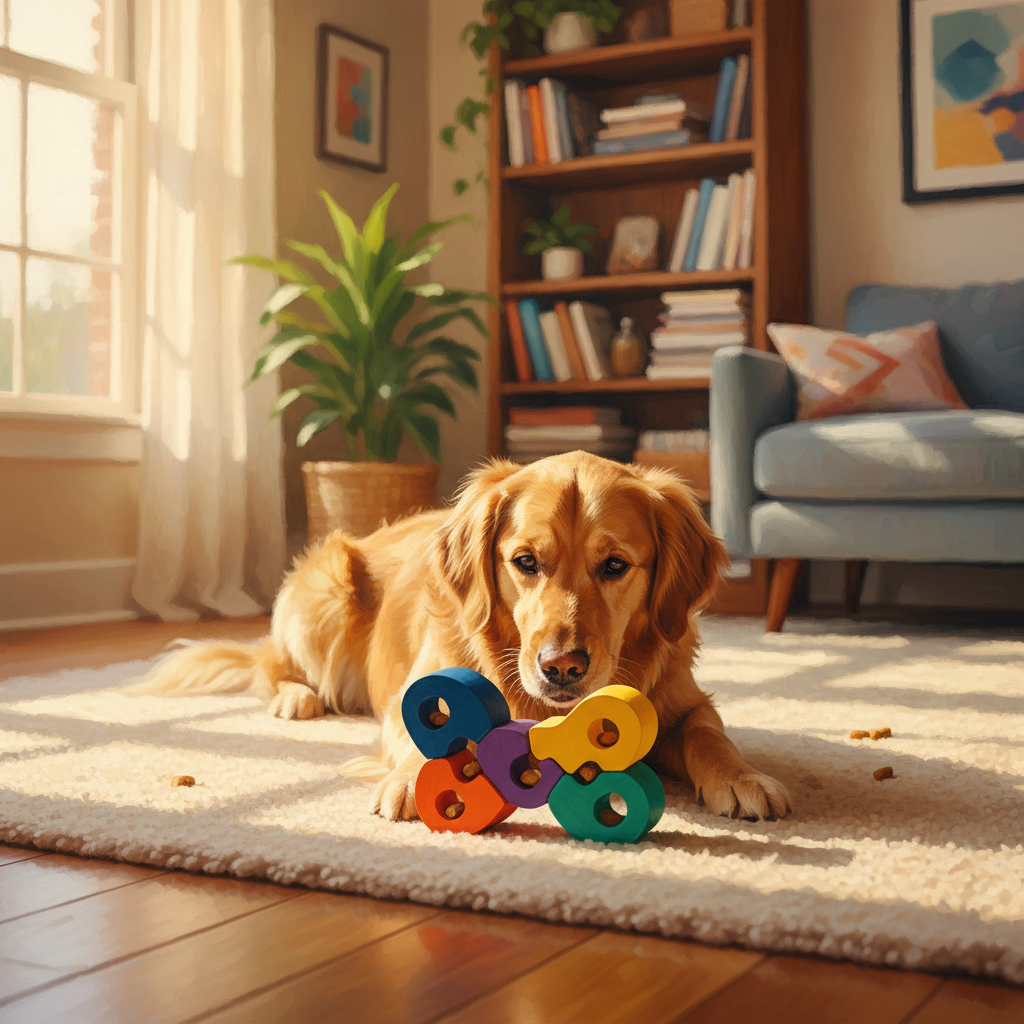
A bored dog is often a destructive dog. Dog enrichment toys are designed to make your pet think. Whether it’s a puzzle that hides treats or a toy that moves in unpredictable ways, these tools keep their brains sharp. This is particularly important for working breeds who are hardwired to solve problems and complete tasks.
Understanding the Different Types of Dog Toys
When you walk into a pet store, the sheer variety of dog toys can be overwhelming. To choose the best dog toys for your specific pet, it helps to categorize them by their primary function. Every dog has a unique 'play style'—some love to chase, some love to chew, and others love to carry around a soft 'baby'.
Active Play Toys: Fetch and Retrieval
These are the classics. Balls, launchers, and flying discs fall into this category. They are perfect for wide-open spaces and help build the 'unbreakable bond' we often talk about. When selecting these, ensure the size is appropriate; a ball that is too small can be a choking hazard for larger breeds.
Chew Toys: Satisfying the Natural Urge
Chewing is a natural behavior that helps dogs relieve stress and keep their teeth clean. Safe dog toys for chewing are made from durable rubber or nylon. Avoid items that can splinter or be swallowed in large chunks. If you're looking for more ways to treat your pup, you might also be interested in our guide on safe and delicious dog cakes for special occasions.
Comfort Toys: Plush and Squeaky
Many dogs enjoy carrying around soft plush toys. These can provide a sense of security, especially for puppies or anxious dogs. Squeaky toys add an element of auditory stimulation that mimics the sound of prey, which many dogs find incredibly exciting.
Rubber chew toys for aggressive chewers
Plush toys for gentle carries and snuggling
Rope toys for interactive tug-of-war
Floating toys for water-loving breeds
Squeaky toys for high-drive hunters
The Importance of Dog Enrichment Toys
In recent years, the concept of 'canine enrichment' has taken the pet world by storm. Enrichment refers to providing activities that satisfy a dog's natural instincts—sniffing, foraging, and problem-solving. While a simple ball is great, enrichment toys take playtime to the next level by engaging the senses.
According to the American Kennel Club, mental exercise can be just as tiring for a dog as physical exercise. This is a lifesaver on rainy days when a long walk isn't possible. By using food-dispensing toys, you turn mealtime into a game, which can also help 'fast eaters' slow down and digest better.
Puzzle Toys and Treat Dispensers
These toys require your dog to move levers, flip lids, or roll an object to get a reward. Start with simple puzzles to build your dog's confidence before moving on to complex multi-step challenges. This prevents frustration and keeps them coming back for more.
Snuffle Mats and Scent Work
A dog's primary sense is smell. Snuffle mats are fabric mats with strips of felt where you can hide dry kibble. Your dog must use their nose to find the food, which is an incredibly calming and satisfying activity for them.
Puppy Toys: Specific Needs for Growing Paws
Puppies have very different needs compared to adult dogs. Their mouths are sensitive as they go through the teething process, and their attention spans are much shorter. Choosing the right puppy toys is crucial for their development and for protecting your furniture!
Teething Toys for Relief
When puppies lose their milk teeth, their gums become sore and itchy. Soft rubber toys or toys that can be chilled in the freezer provide much-needed numbing relief. Look for 'puppy-strength' rubber, which is more pliable than the heavy-duty rubber used for adult dogs.
Training Through Play
Toys are excellent rewards for training. Instead of just using food, you can use a favorite toy to teach commands like 'stay' or 'drop it'. This helps your puppy learn that interacting with you is the most rewarding thing in the world. Understanding the key differences between dogs and cats is helpful here; while cats are often independent, dogs thrive on this interactive play-based learning.
Choose soft, flexible materials for puppy gums
Avoid small parts that can be swallowed
Introduce various textures (nylon, rubber, plush)
Use toys to redirect inappropriate nipping
Supervise all play sessions with new toys
A Safety Guide for Choosing Safe Dog Toys
Not all toys are created equal. As a responsible pet owner, your priority should be the safety of the materials and the construction of the toy. What might be safe for a Chihuahua could be a disaster for a German Shepherd.
Material Matters
Look for toys made from non-toxic materials. Natural rubber, BPA-free plastics, and organic cotton are generally safe bets. Avoid toys that have a strong chemical smell, as this can indicate the presence of harmful phthalates.
Size and Durability
Always choose a toy that is appropriate for your dog's size. A toy that is too small can be swallowed or lodged in the throat. Conversely, a toy that is too large or heavy might discourage a smaller dog from playing or even cause injury if dropped on a paw.
How to Maintain and Clean Your Dog's Toys
Dog toys can quickly become breeding grounds for bacteria, mold, and yeast. Regular cleaning not only keeps your dog healthy but also extends the life of the toys. Most hard rubber toys can be washed in the top rack of the dishwasher (check the manufacturer's label first), while plush toys can often go through the laundry on a gentle cycle.
It is also a good idea to perform a 'toy audit' every week. Check for frayed ropes, cracked rubber, or exposed squeakers. If a toy is damaged, it’s time to toss it out. Swallowing pieces of plastic or stuffing can lead to expensive emergency vet visits and serious health issues for your pet.
Conclusion: Investing in Your Dog's Quality of Life
Choosing the right toys for dogs is about more than just fun; it's about providing a fulfilling life for your companion. From the high-energy fetch sessions that keep them fit to the quiet moments with a puzzle toy that keep them calm, these tools are vital for a well-adjusted pet. By understanding your dog's unique needs and prioritizing safety, you can create a play environment that keeps their tail wagging for years to come.
Remember that no toy is a substitute for your time and affection. Use these toys as a bridge to interact more deeply with your pet. If you're looking for the perfect gear to take your playtime on the go, don't forget to check out our guide to choosing the right dog leash for your outdoor adventures.
Frequently Asked Questions
What are the most durable toys for aggressive chewers?
For dogs that destroy toys quickly, look for products made from heavy-duty natural rubber or solid nylon. Brands often label these as 'extreme' or 'chewer-friendly'. Avoid plush or thin plastic toys which can be shredded in minutes.
Are squeaky toys bad for dogs?
Squeaky toys aren't inherently bad, but they can trigger a high prey drive in some dogs. The main concern is safety; if your dog 'guts' the toy to find the squeaker, they could swallow the plastic mechanism, which is a choking hazard.
How many toys should my dog have?
A good rule of thumb is to have 5-10 toys available but to rotate them. Only leave 2-3 toys out at a time. Rotating toys every week makes 'old' toys feel new and exciting again, preventing boredom.
Can I give my dog human toys or tennis balls?
It's best to avoid human toys as they may contain small parts or toxic dyes. Standard tennis balls can actually be abrasive to a dog's tooth enamel over time; it is better to buy balls specifically designed for dogs.
What is the best toy for a puppy that is teething?
Soft rubber toys and specialized teething rings are best. You can also wet a clean washcloth, twist it into a rope shape, and freeze it to provide a cold, soothing surface for their sore gums.
How do I know if a toy is the right size for my dog?
A toy should be large enough that your dog cannot comfortably fit the entire thing behind their molars. If they can gulp it down or if it can get stuck in the back of their throat, it is too small.
Comments