The Ultimate Guide to Choosing the Perfect Cat House

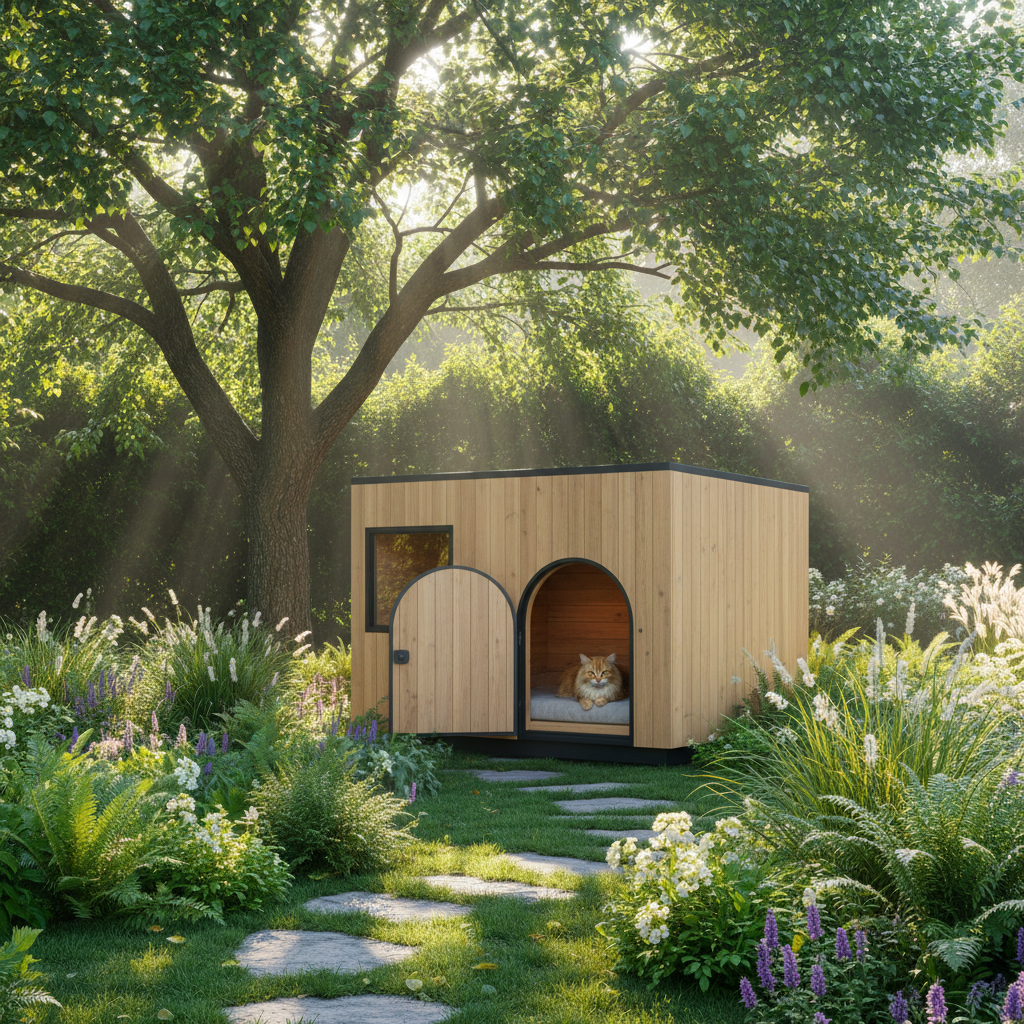
Every cat owner knows that felines are the true masters of the household. They don't just live in our homes; they gracefully permit us to share their space. However, even the most confident cat needs a place to call their own—a sanctuary where they can retreat, nap, and observe their kingdom in peace. A dedicated cat house provides more than just a bed; it offers a sense of security, warmth, and territorial ownership that is vital for a cat's psychological well-being. Whether you have a strictly indoor lap cat or a neighborhood wanderer who needs a safe outdoor cat shelter, finding the right structure is a journey in understanding your pet's unique personality.
Why Your Feline Friend Needs a Dedicated Cat House
You might wonder why your cat needs a specific house when they already have the run of your sofa or your bed. The answer lies in their ancestral instincts. In the wild, cats are both predators and prey. This dual nature means they are biologically programmed to seek out enclosed, secure spaces where they cannot be ambushed from behind. A well-placed cat house mimics a den, providing a high-vantage point or a hidden nook that reduces stress and anxiety.
Psychological Benefits of a Private Space
When you provide a dedicated cat house, you are giving your pet a 'safe zone.' This is particularly important in multi-pet households or homes with active children. If a cat feels overwhelmed, having a known retreat prevents behavioral issues like hiding under the bed or aggressive outbursts. By understanding cats and their need for vertical and enclosed spaces, you can significantly improve their quality of life.
Health and Temperature Regulation
Cats have a higher basal body temperature than humans. They are constantly seeking out warmth, which is why you’ll often find them stretched out in a sunbeam. An insulated cat house helps them retain body heat, which is vital for senior cats with arthritis or kittens who struggle with thermoregulation. This is especially true for an outdoor cat house, which serves as a life-saving barrier against harsh weather conditions.
Indoor Cat House vs. Outdoor Cat Shelter: Which is Right?
The environment your cat inhabits determines the type of structure they require. While the core purpose remains the same—safety and comfort—the materials and design features will vary drastically between indoor and outdoor models.
The Elegance of the Indoor Cat House
An indoor cat house is often designed with aesthetics in mind. Since it will be a part of your living room or bedroom, many owners look for cat furniture that complements their interior decor. These structures are usually made of soft fabrics, felt, or finished wood. When designing for cats, you should consider how the house integrates into your daily flow while still providing the privacy your cat craves.
Plush interiors for maximum comfort
Modern designs that double as end tables or shelves
Washable covers for easy maintenance
Lightweight materials for easy relocation
The Durability of the Outdoor Cat House
For community cats or indoor-outdoor pets, an outdoor cat house must be a fortress against the elements. These shelters need to be waterproof, windproof, and elevated off the ground to prevent moisture from seeping in. If you live in a colder climate, look for models with thermal insulation or those that can accommodate a straw bedding (which stays drier than blankets).
Weather-resistant cedar or treated wood construction
Slanted roofs to shed rain and snow
Escape doors to prevent the cat from being trapped by predators
Elevated legs to prevent rot and keep the floor warm
Key Features to Look for in the Best Cat House
With thousands of options on the market, choosing the best cat house can feel overwhelming. To narrow down your search, focus on these essential criteria that ensure the house is functional and safe for your pet.
Size and Scale
It is a common mistake to buy a house that is too large. Cats actually prefer smaller, snugger spaces because their own body heat can warm up the area more efficiently. A house should be large enough for the cat to stand up, turn around, and lie down comfortably, but not so large that it feels drafty.
Material Safety
Always check for non-toxic finishes and sturdy construction. If the house is made of wood, ensure there are no sharp splinters. If it is a fabric indoor cat house, ensure the foam is high-density and won't collapse over time. Safety is the foundation of any good pet product.
Accessibility and Cleaning
Cats are clean animals, and they will abandon a house that becomes dirty or smelly. Look for houses with removable roofs or large access panels that make cleaning a breeze. For outdoor models, being able to spray out the interior with a hose and let it air dry is a massive advantage.
Getting Creative: DIY Cat House Ideas
If you are a fan of weekend projects, building a diy cat house can be a rewarding experience. It allows you to customize the dimensions to your cat's specific size and your home's unique layout. Plus, it can be a cost-effective way to provide a high-quality shelter.
The Upcycled Cardboard Castle
We all know cats love boxes. You can take this obsession to the next level by stacking multiple boxes, cutting out entryways, and reinforcing the structure with non-toxic glue. For more inspiration, you might want to create a cozy cat house using fabric scraps and old pillows to line the interior for extra warmth.
The Winter Warrior Shelter
For a functional outdoor diy cat house, you can use two plastic storage bins (one smaller than the other). Place the smaller bin inside the larger one and fill the gap with styrofoam or straw for insulation. Cut a hole through both layers, line the edges with duct tape to prevent scratches, and you have a waterproof, insulated cat shelter for very little cost.
Select your base materials (wood, plastic, or cardboard)
Measure your cat to ensure proper interior dimensions
Cut entry and exit holes (two holes are safer for outdoor use)
Add insulation or padding for comfort
Decorate with cat-safe paints or fabrics
Placement and Introduction: Helping Your Cat Adjust
Buying or building the perfect cat house is only half the battle; you also have to convince your cat to use it. Cats are notoriously skeptical of new furniture. Proper placement is key to their acceptance.
Finding the 'Sweet Spot'
Place the cat house in a quiet area with low foot traffic, but where the cat can still see the rest of the room. Many cats prefer their houses to be elevated. Placing an indoor cat house on a sturdy shelf or a low table can make it much more appealing. For outdoor houses, ensure they are placed in a sheltered area away from prevailing winds.
The Power of Positive Reinforcement
Never force your cat into their new house. Instead, lure them in with treats, catnip, or their favorite toys. You can also place an unwashed t-shirt of yours inside; your scent will help them feel safe and secure in the new environment.
Key Takeaways
A cat house provides essential security and stress reduction for felines.
Choose indoor houses for aesthetics and outdoor shelters for weather protection.
Size matters: ensure the house is snug enough to retain heat but large enough for movement.
Safety first: always use non-toxic materials and include escape routes for outdoor models.
DIY options are affordable and customizable for any budget.
Placement in a quiet, low-traffic area is crucial for cat adoption.
Conclusion
Investing in a high-quality cat house is one of the kindest things you can do for your pet. It acknowledges their natural instincts and provides them with a sanctuary that is uniquely theirs. Whether you choose a high-end piece of cat furniture that blends with your modern home or a rugged outdoor cat shelter for the neighborhood strays, you are contributing to a happier, healthier life for these wonderful animals. Remember, every cat is different, so pay attention to their preferences and adjust their environment accordingly. If you're looking for more ways to optimize your home for your pets, don't hesitate to reach out for professional guidance.
Frequently Asked Questions
What is the best material for an outdoor cat house?
Cedar wood is often considered the best material because it is naturally rot-resistant and provides good insulation. For a more budget-friendly option, heavy-duty UV-resistant plastic can also work well if properly insulated.
Should a cat house have two doors?
For an outdoor cat house, yes. Having a front entrance and a back 'escape door' prevents the cat from being trapped inside by a predator like a dog or a raccoon.
How do I keep an outdoor cat house warm in winter?
Use straw (not hay or blankets) for bedding, as straw repels moisture and traps heat. You can also add a self-warming pet mat or ensure the house is properly insulated with foam panels.
How big should a cat house be?
The interior should be roughly 15-20 inches wide and 15-20 inches tall. It should be just large enough for the cat to turn around and stretch out, but small enough to retain their body heat.
My cat won't go in their new house, what should I do?
Try moving the house to a different location, preferably somewhere quiet and elevated. Use catnip or treats to create a positive association, and give them time to explore it on their own terms.
Comments