Create a Cozy Cat House: Tips & Ideas for Your Cat

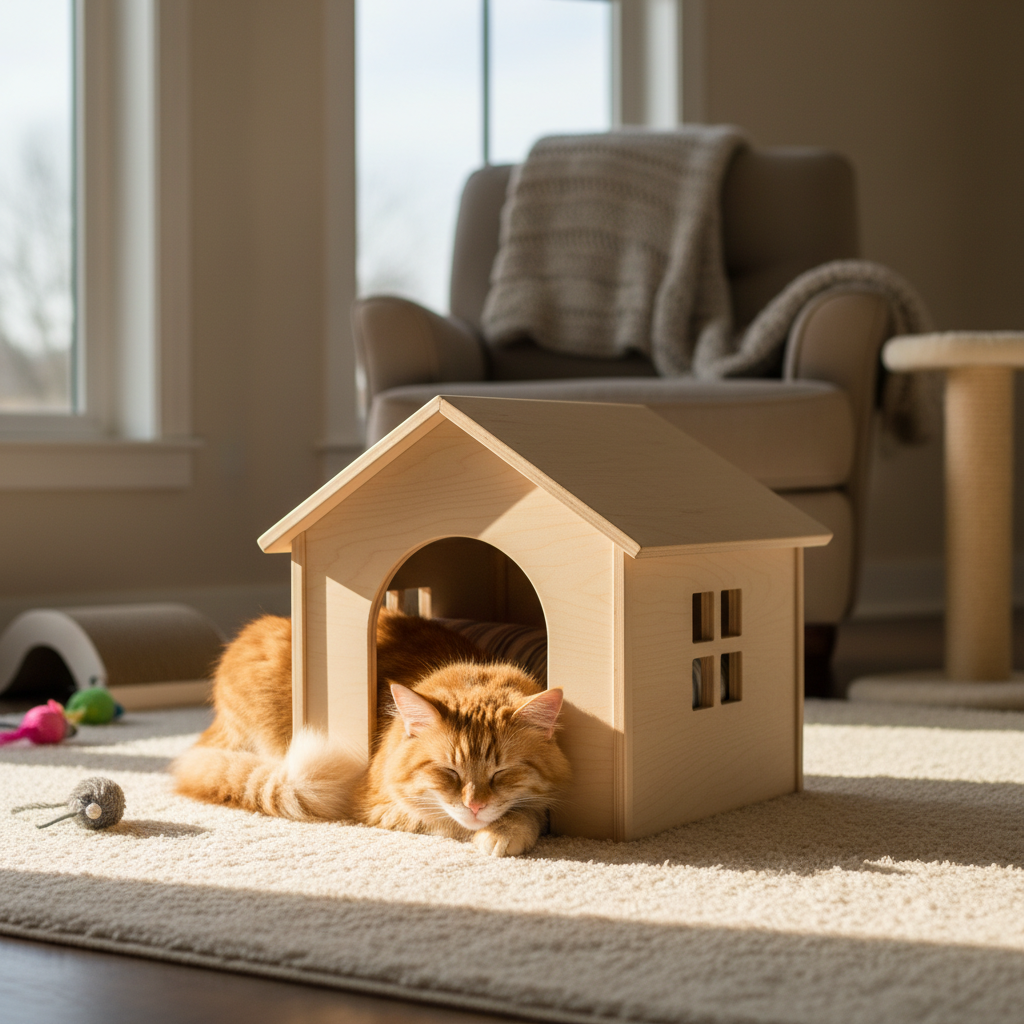
Every cat owner knows that felines have a natural instinct to seek out cozy, enclosed spaces. Whether it is a simple cardboard box or a multi-story feline mansion, a dedicated cat house provides your pet with a sense of security, warmth, and ownership over their environment. In this comprehensive guide, we will explore the diverse world of feline housing, helping you navigate the choices between indoor luxury and outdoor safety. By understanding your cat's unique needs, you can provide a sanctuary that promotes their physical health and emotional well-being.
Understanding Why Your Feline Needs a Cat House
To truly appreciate the value of a cat house, it helps to start by understanding cats: a comprehensive guide to their natural behaviors. In the wild, small felids are both predators and prey. This dual nature means they are hardwired to seek out 'dens' where they can sleep safely without being easily spotted by larger threats. A dedicated house mimics this natural denning instinct.
Stress Reduction and Security
A cat house acts as a 'reset button' for a stressed kitty. When guests arrive, or when the household becomes too noisy, having a private retreat allows your cat to self-regulate their emotions. This is particularly important in multi-pet households where cats may need a break from social interaction.
Temperature Regulation
Cats have a higher basal body temperature than humans. They often seek out warm spots to maintain this heat without burning extra calories. A well-insulated house, whether inside or out, helps them stay cozy during colder months and provides a shaded retreat during the summer heat.
Exploring the World of Indoor Cat Furniture
When we talk about an indoor cat house, we are often looking at a blend of functionality and aesthetics. Modern cat furniture has evolved far beyond the carpet-covered towers of the past. Today, you can find pieces that complement your home decor while fulfilling your cat's need for vertical space and privacy.
Integrating these structures into your living room requires a bit of strategy. For those looking to optimize their space, designing for cats: tips for a harmonious home can provide excellent inspiration on how to place furniture so it serves both you and your pet.
Types of Indoor Shelters
Cat Condos: Multi-level structures that include scratching posts, perches, and enclosed 'cubbies'.
Soft-Sided Beds: Fabric 'igloos' that are lightweight and can be moved easily from room to room.
Hidden Litter Box Houses: Furniture pieces designed to hide the litter box while providing a stylish exterior.
Wall-Mounted Pods: Ideal for small apartments, these save floor space by utilizing vertical wall area.
The Essentials of a Safe Outdoor Cat House
If you care for community cats or have an adventurous pet that spends time in the yard, an outdoor cat house is a lifesaving investment. Unlike indoor versions, an outdoor cat shelter must be rugged, weather-resistant, and predator-proof.
Weatherproofing and Insulation
The best cat house for outdoor use is one that stays dry. Look for sloped roofs that shed water and elevated floors that keep the interior away from damp ground. For insulation, straw is often superior to blankets; blankets can hold moisture and freeze, whereas straw allows cats to burrow and stay dry.
Safety Features
A critical design element for any outdoor shelter is having two exits. This ensures that if a predator (like a stray dog or raccoon) discovers the entrance, the cat has an escape route. This is a fundamental difference in how we manage pets versus other animals, as discussed in our professional analysis of domestic companionship.
Creative DIY Cat House Ideas
You don't need to spend a fortune to provide a great home for your pet. A diy cat house can be a fun weekend project that repurposes materials you already have. Not only is this cost-effective, but it also allows you to customize the size and style to your specific cat's preferences.
The Cardboard Castle
The simplest DIY project involves heavy-duty cardboard boxes. By stacking boxes and cutting out 'windows' and 'doors,' you can create a multi-story labyrinth. Use non-toxic glue and add a soft fleece blanket inside for immediate comfort.
The Upcycled Nightstand
Old furniture can easily be converted into a luxury indoor cat house. By removing the door of an old nightstand and adding a plush cushion inside, you create a sturdy, stylish retreat that matches your bedroom furniture perfectly.
Select a sturdy piece of wooden furniture.
Remove any sharp hardware or drawers.
Sand down rough edges and apply a pet-safe paint or stain.
Add a soft bed or cushion inside.
Introduce your cat with treats to create positive associations.
Selecting the Best Cat House: A Buyer's Checklist
When you are ready to make a purchase, the sheer number of options can be overwhelming. To find the best cat house for your situation, you should evaluate several key factors to ensure the product is durable and safe.
Material: Is it made of solid wood, recycled plastic, or fabric? Ensure it is non-toxic.
Size: Can your cat stand up and turn around comfortably inside?
Ease of Cleaning: Look for removable roofs or panels so you can easily reach inside to clean.
Assembly: Does it require professional tools, or is it a simple 'click-and-lock' design?
Portability: If you plan to move it between the patio and the garage, look for lightweight materials.
Placement and Maintenance for Long-Term Success
Where you put the house is just as important as the house itself. For indoor structures, place them in quiet corners away from high-traffic areas. For outdoor shelters, choose a location that is shielded from the wind and hidden from the direct sight of potential predators.
Maintenance is also key. Regularly check for signs of wear, such as loose screws or frayed fabric. If the house is outdoors, check weekly for dampness or pests like fleas and ticks that might have taken up residence in the bedding.
Conclusion: Creating a Sanctuary for Your Feline Friend
Investing in a high-quality cat house is one of the most impactful ways you can show love to your pet. From providing a warm spot for a nap to offering a safe haven during a thunderstorm, these structures cater to the very essence of what it means to be a cat. Whether you choose a high-end piece of cat furniture or embark on a DIY cat house journey, your effort will be rewarded with a happier, more relaxed companion.
Remember that every cat is an individual. Some may prefer high vantage points, while others like to stay low to the ground. Observe your cat's habits and use this guide to tailor their environment to their specific needs. By doing so, you are not just buying a product; you are enhancing their quality of life for years to come.
Frequently Asked Questions
What is the best material for an outdoor cat house?
For outdoor use, cedar wood is highly recommended as it is naturally rot-resistant and repels insects. High-density plastic is also a great durable, waterproof option.
How do I get my cat to use their new house?
Place familiar-smelling items inside, like an old t-shirt of yours or their favorite blanket. You can also use catnip or treats to entice them to explore the space.
Do cat houses need to be heated?
While not strictly necessary for indoor cats, heated pads are excellent for outdoor shelters in freezing climates. Always ensure any heating element is pet-safe and has a chew-proof cord.
How many exits should a cat house have?
An outdoor cat house should ideally have two exits to prevent a cat from being trapped by a predator. Indoor houses usually only need one entrance.
Can I use blankets in an outdoor shelter?
It is better to use straw for outdoor shelters. Blankets can absorb moisture from the air or the cat's fur, which can then freeze and make the cat colder.
Is a cat house different from a cat tree?
Yes. A cat house is primarily an enclosed sleeping or hiding space, while a cat tree is a multi-functional structure designed for climbing, scratching, and perching.
Comments