Choosing the Right Cat House: A Complete Guide

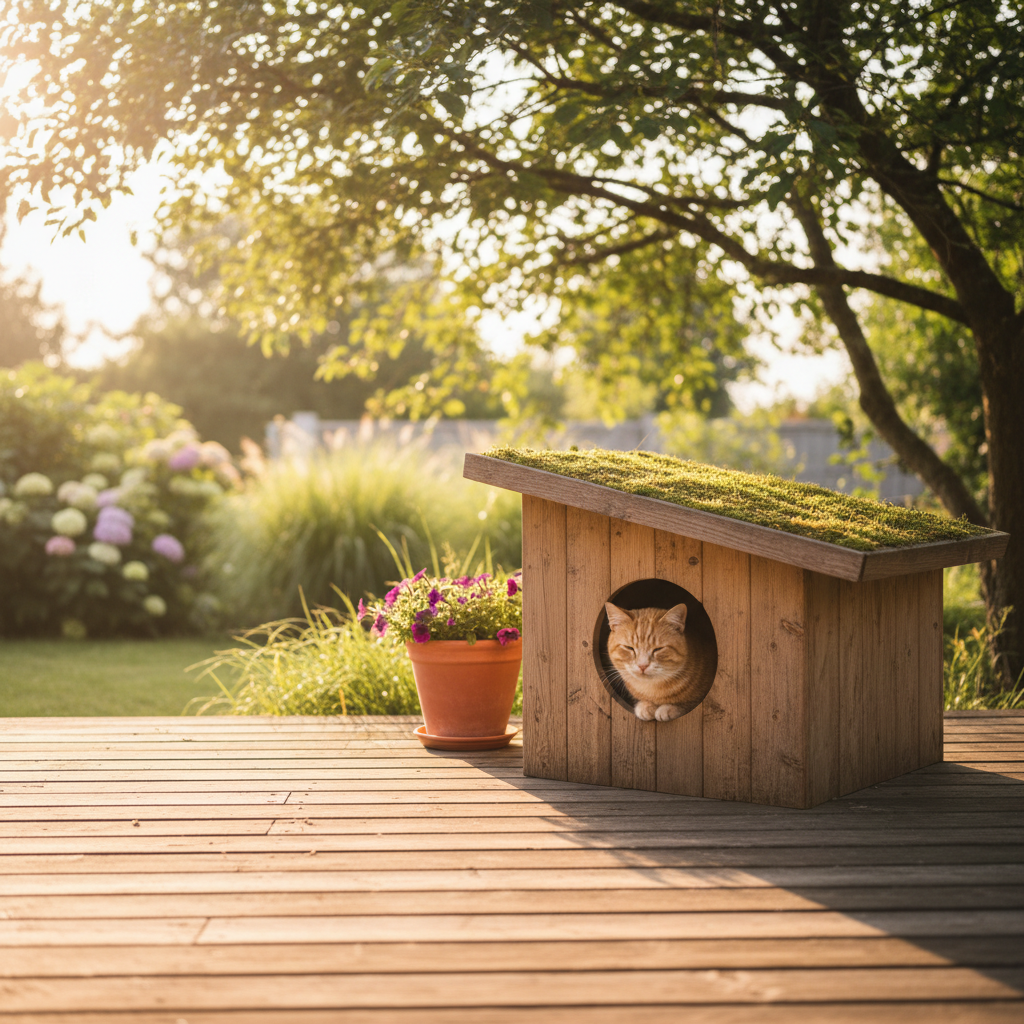
Every cat owner knows that felines are the true masters of the home. They don't just live with us; they gracefully claim specific territories as their own. One of the most important elements you can provide for your companion is a dedicated cat house. A quality cat house offers more than just a place to sleep; it provides a sense of security, a private retreat from a busy household, and a temperature-controlled environment for those who spend time outdoors. Understanding the nuances of feline behavior is the first step in understanding cats and why they crave these enclosed spaces.
Table of Contents
Why Your Pet Needs a Dedicated Cat House
You might wonder why your pet needs a specific house when they already have the run of your living room. The answer lies in their evolutionary instincts. In the wild, cats are both predators and prey. This means they naturally seek out small, enclosed areas where they can hide from larger threats while keeping a watchful eye on their surroundings. A cat house mimics these natural dens, reducing stress and anxiety for your pet.
The Psychological Benefits of Security
When a cat retreats into a shelter, their cortisol levels—the hormone associated with stress—tend to drop. This is especially important in multi-pet households or homes with active children. Having a 'safe zone' allows your cat to decompress and recharge. By providing a high-quality cat shelter, you are essentially giving them a 'do not disturb' sign that helps maintain their mental well-being.
Temperature Regulation and Comfort
Cats have a higher basal body temperature than humans, often hovering around 101 to 102.5 degrees Fahrenheit. This is why you often find them basking in sunbeams or curled up on your warm laptop. A well-insulated cat house helps them retain body heat during the winter and provides a shaded, ventilated escape during the summer months.
Indoor Cat House vs. Outdoor Cat House
The choice between an indoor and outdoor model depends entirely on your pet's lifestyle and your local climate. While the core purpose remains the same, the materials and features vary significantly. When designing for cats, you must consider how the structure integrates with the environment.
Choosing an Indoor Cat House
Indoor models are often focused on aesthetics and comfort. They are frequently made from soft fabrics, felt, or finished wood that complements your home decor. These serve as functional cat furniture that doesn't look out of place in a modern living room. Key features to look for include:
Washable liners and cushions for easy cleaning
Non-slip bottoms to prevent sliding on hardwood floors
Breathable materials like cotton or natural wool
Multi-level designs for cats who enjoy climbing
Selecting an Outdoor Cat House
If you are caring for a community cat or your own pet enjoys supervised outdoor time, an outdoor cat shelter is a necessity. These must be rugged, waterproof, and predator-proof. Unlike indoor versions, these require heavy-duty construction to withstand rain, wind, and snow. For more details on these specific requirements, you might want to read The Ultimate Guide to Choosing the Perfect Cat House.
Essential Features of the Best Cat House
Not all shelters are created equal. To find the best cat house for your specific situation, you need to evaluate several critical factors. A house that is too large won't hold heat, while one that is too small will be rejected by your pet. Here is what you should prioritize during your search.
Size and Proportions
The ideal size allows your cat to enter easily, turn around completely, and lie down comfortably. However, it shouldn't be much larger than that. In a smaller space, the cat's own body heat acts as a natural heater. If the ceiling is too high, that warmth escapes, leaving your pet chilly.
Durability and Material Safety
Always ensure the materials used are non-toxic. Cats often rub their cheeks against surfaces to mark territory, and some may even chew on the edges. Look for BPA-free plastics, untreated cedar or fir wood, and formaldehyde-free adhesives. If you are looking for cat house ideas, consider DIY options using recycled, pet-safe materials.
Weatherproof roofing (for outdoor models)
Elevated flooring to prevent moisture seepage
Escape doors to prevent a cat from being cornered by predators
Removable roofs for easy interior access and cleaning
Maintenance and Longevity
Buying a cat house is an investment in your pet's health. To ensure it lasts for years, you must establish a cleaning routine. Cats are incredibly clean animals and may abandon a shelter if it becomes dusty, infested with fleas, or starts to smell.
Vacuum the interior weekly to remove shed fur and dander.
Wash all removable bedding in hot water with pet-safe detergent.
Wipe down hard surfaces with a mixture of vinegar and water.
Inspect outdoor structures for cracks or water leaks before each season.
Check for any loose hardware or sharp edges that could cause injury.
How to Introduce Your Cat to Their New House
Even the most expensive, luxurious cat house might be ignored at first. Cats are naturally skeptical of new objects in their environment. You cannot force a cat to use a house; you must entice them. Start by placing the house in a quiet area where they already enjoy spending time.
Use familiar scents to make the new space feel like home. Placing a piece of your worn clothing or their favorite blanket inside can work wonders. You can also sprinkle a bit of high-quality catnip near the entrance. Remember that a happy cat is a well-fed cat, so ensure you are also choosing the right cat food to keep their energy and curiosity high during this transition period.
Comparing Cats and Dogs: The Shelter Perspective
It is helpful to understand how feline needs differ from canine needs. While a dog house is often a large, open-entry structure, a cat house is much more about concealment and verticality. When understanding key differences between the two species, you'll notice that cats prefer height. An elevated cat house or one placed on a sturdy shelf will almost always be preferred over one sitting directly on the floor.
Key Takeaways
A cat house provides essential psychological security and physical warmth.
Indoor houses focus on comfort and style, while outdoor shelters prioritize weatherproofing.
Size matters: the house should be snug enough to trap body heat but large enough for movement.
Safety first: always choose non-toxic, pet-friendly materials.
Maintenance is key: regular cleaning prevents the buildup of allergens and pests.
Introduction takes patience: use familiar scents and treats to encourage use.
Conclusion
Providing a cat house is one of the kindest things you can do for your feline companion. Whether it's a sleek piece of indoor cat furniture that blends with your living room or a heavy-duty outdoor cat shelter that protects a stray from the elements, these structures offer peace of mind for both you and the cat. By considering size, material, and location, you can create a sanctuary that your pet will cherish for years to come. If you have specific questions about setting up your pet's environment or need more tailored advice, don't hesitate to reach out.
Frequently Asked Questions
Where is the best place to put a cat house?
For indoor cats, place the house in a quiet, low-traffic corner or an elevated spot. For outdoor cats, place it in a sheltered area away from wind and potential predators, preferably off the ground.
What is the best material for an outdoor cat house?
Cedar and fir are excellent wood choices because they are naturally rot-resistant. High-density plastic is also good for waterproofing, provided it is well-insulated.
How do I keep an outdoor cat house warm in winter?
Use straw (not hay or blankets) as bedding because it repels moisture and traps heat. You can also add self-warming pads or specialized pet-safe heating elements.
Can two cats share one house?
It depends on their relationship. Some bonded pairs enjoy snuggling together, but generally, it is best to provide one house per cat to prevent territorial disputes.
Why won't my cat go inside the house I bought?
It may smell 'new' or chemical-like. Try airing it out, adding familiar-smelling blankets, or using catnip and treats to create positive associations with the space.
Is a cardboard cat house okay for indoor use?
Yes! Cardboard is a great insulator and cats love the texture. However, it isn't very durable and will need to be replaced if it gets wet or heavily chewed.
Comments