Your Guide to Grilling the Best Hotdog

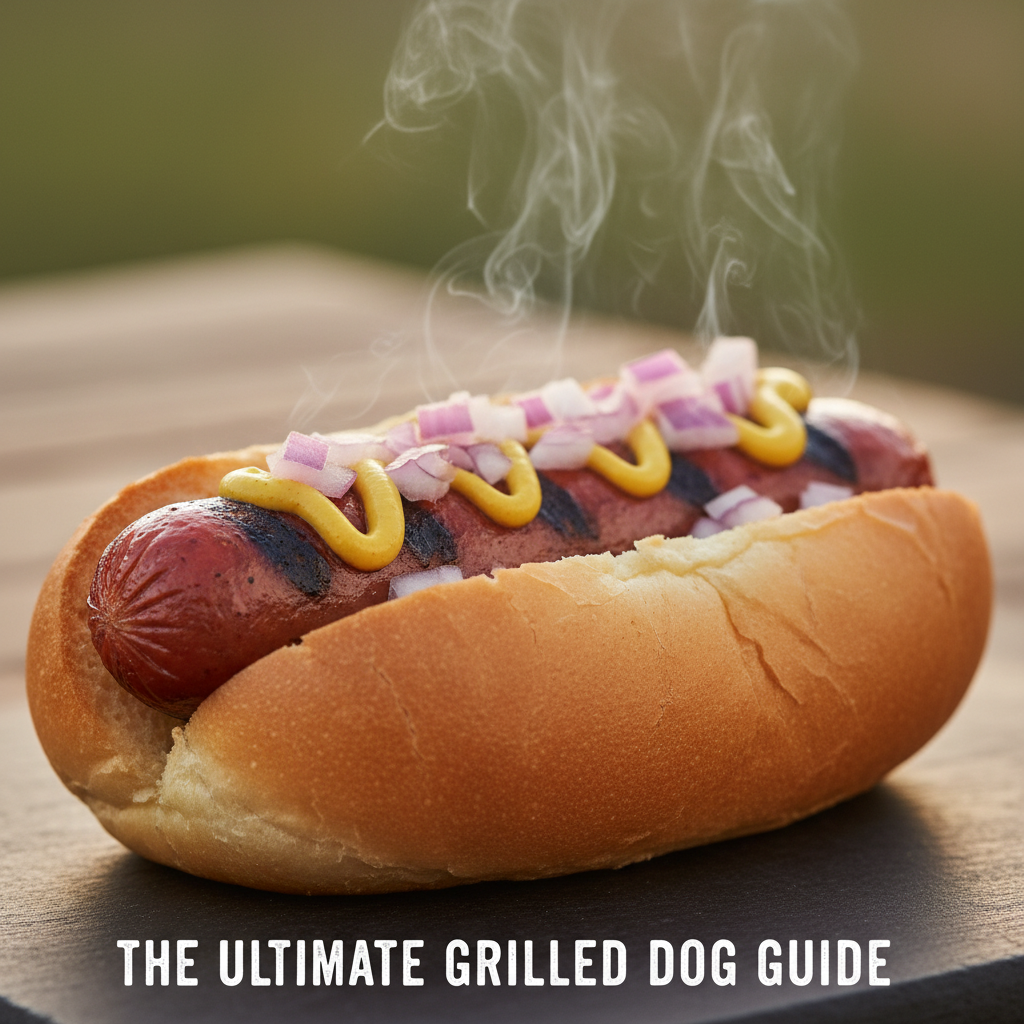
There is something undeniably nostalgic and comforting about a perfectly prepared hotdog. Whether you are at a bustling ballpark, a quiet backyard barbecue, or a quick street-side stand, that first bite into a juicy, snappy frankfurter wrapped in a soft bun is a universal joy. But while it might seem like a simple snack, there is a true art to creating the best hotdog experience. From the snap of the casing to the balance of flavors in your toppings, every detail matters when you are aiming for culinary perfection.
Before you fire up the grill, it is essential to understand the foundation of what makes this food so iconic. If you want to elevate your next cookout, you can [discover our expert techniques for grilling hotdogs](Your Link) to ensure every link comes out perfectly charred and juicy.
01. Understanding the Basics: What Makes a Great Hotdog?
To truly appreciate the hotdog, one must look beyond the bun. A hotdog is essentially a cured and cooked sausage, usually made from beef, pork, poultry, or a combination of these. The texture and flavor are defined by the quality of the meat and the blend of spices used during the emulsification process.
The Importance of the Casing
One of the most debated aspects of the hotdog is the casing. Natural casings, usually made from sheep or hog intestines, provide that signature 'snap' when you bite into them. Skinless hotdogs, on the other hand, are cooked in a casing that is removed before packaging, resulting in a softer texture that many children prefer.
Understanding the enduring appeal of the hotdog requires looking at how these textures have evolved over time to suit different regional tastes. Whether you prefer the crunch of a natural casing or the uniformity of a skinless link, the quality of the meat inside remains the most critical factor.
02. How to Choose the Best Hotdog at the Grocery Store
When you walk down the meat aisle, the options can be overwhelming. To find the best hotdog for your needs, you need to look at the labels carefully. Not all franks are created equal, and your choice will significantly impact the final flavor of your hotdog recipe.
All-Beef: These are generally considered the gold standard for flavor and richness.
Uncured: These options use natural nitrates (like celery juice) instead of synthetic chemicals.
Low Sodium: Ideal for those watching their salt intake without sacrificing too much flavor.
Kosher: These follow strict dietary laws and often have a very high-quality beef profile.
Plant-Based: Modern vegetarian and vegan options have come a long way in mimicking the texture of meat.
Deciphering the Label
Avoid products that list 'mechanically separated meat' as the primary ingredient if you are looking for a premium experience. Instead, look for brands that highlight '100% Beef' or 'Pork and Beef' blends. The simpler the ingredient list, the closer you are to a traditional, high-quality sausage.
03. Essential Methods for How to Cook Hotdog
While most hotdogs come pre-cooked, the way you reheat and sear them makes all the difference. Each cooking method brings out different characteristics of the meat. Learning how to cook hotdog varieties properly will ensure you never serve a soggy or split link again.
Grilling Hotdogs for Maximum Flavor
Grilling is perhaps the most popular way to prepare hotdogs. The high heat of a grill creates a smoky flavor and a beautiful charred exterior. To prevent the skins from bursting, use indirect heat or keep a close eye on the temperature. You want a steady sizzle, not an explosion.
Preheat your grill to medium-high heat.
Place the hotdogs perpendicular to the grill grates to get those iconic sear marks.
Roll them frequently to ensure even heating and charring.
Cook for 5-7 minutes until they are heated through and slightly browned.
Toast your buns on the cooler side of the grill for the last 60 seconds.
Alternative Cooking Methods
If you don't have access to a grill, don't worry. Pan-searing in a cast-iron skillet with a little butter can produce a wonderfully crispy exterior. Boiling is another classic method, often used by street vendors to keep dogs juicy, though it offers less in terms of complex flavor development.
04. Elevating Your Hotdog Recipe with Creative Toppings
The bun and the meat are the canvas, but the hotdog toppings are the paint. While mustard and ketchup are the traditional favorites, the world of hotdog garnishes is vast and exciting. You can take a delicious cultural journey just by changing what you put on top of your frankfurter.
Regional Classics to Try
Every region has its own signature style. Exploring these can provide endless inspiration for your next meal. Here are some of the most famous combinations found across the United States:
Chicago Style: Yellow mustard, chopped onions, bright green sweet pickle relish, a dill pickle spear, tomato wedges, pickled sport peppers, and a dash of celery salt on a poppy seed bun (never add ketchup!).
New York Style: Spicy brown mustard and either sauerkraut or onions sautéed in tomato paste.
Coney Island: Topped with a savory meat chili (no beans), mustard, and onions.
Sonoran Style: Wrapped in bacon and topped with pinto beans, onions, tomatoes, mayo, and salsa.
05. The Perfect Bun: More Than Just a Vessel
A common mistake is neglecting the bun. The best hotdog requires a bun that can withstand the moisture of the meat and the weight of the toppings without falling apart. A standard white bread bun is fine, but a brioche bun or a high-quality potato roll can elevate the entire experience.
Always toast your buns. Whether you do it on the grill, in a pan with butter, or in a toaster oven, a toasted bun provides a necessary structural integrity and a pleasant temperature contrast to the cold toppings.
06. Advanced Tips for the Ultimate Hotdog Experience
Once you have mastered the basics, you can start experimenting with advanced techniques. One popular trend is the 'spiral cut.' By cutting a spiral pattern into the hotdog before cooking, you create more surface area for charring and more nooks and crannies for your mustard and relish to settle into.
If you are looking for more adventurous handheld foods, you might also enjoy learning how to savor the world with irresistible kebab recipes, which share many of the same flame-grilled principles as the perfect hotdog.
07. Key Takeaways for Hotdog Perfection
Start with high-quality meat; 100% beef or natural casing franks provide the best flavor and texture.
Don't overcook your hotdogs; look for a light char and a internal temperature of 160°F (71°C).
Always toast your buns to add texture and prevent them from getting soggy.
Experiment with regional toppings like Chicago-style or Coney-style to keep things interesting.
Consider the 'spiral cut' technique to maximize flavor and topping retention.
08. Conclusion
The hotdog is much more than just a quick meal; it is a versatile icon of culinary culture that brings people together. By paying attention to the quality of your ingredients, mastering your cooking technique, and getting creative with your toppings, you can turn a simple snack into a gourmet feast. Whether you are a traditionalist who sticks to mustard or an adventurer trying new flavors, the perfect hotdog is always within reach.
Now that you are equipped with all the knowledge you need, it is time to get cooking. To take your skills to the next level, [click here to master the grill with our hotdog guide](Your Link) and start impressing your friends and family at your next gathering.
Frequently Asked Questions
Are hotdogs already cooked when you buy them?
Yes, most hotdogs sold in grocery stores are fully cooked and only require reheating. However, always check the packaging to be sure, and heating them to an internal temperature of 160°F is recommended for safety and flavor.
What is the best way to prevent hotdogs from bursting on the grill?
To prevent bursting, cook them over medium heat rather than high heat, and turn them frequently. You can also poke a few small holes in the casing with a fork, though this may let some juices escape.
Can I cook hotdogs in an air fryer?
Absolutely! Air frying hotdogs at 400°F for about 4-6 minutes results in a wonderfully snappy casing and juicy interior, similar to grilling.
How long do hotdogs stay fresh in the refrigerator?
Unopened packages can typically last up to two weeks. Once opened, they should be consumed within 3 to 7 days for the best quality.
What is the difference between a hotdog and a frankfurter?
While the terms are used interchangeably today, 'Frankfurter' originally referred to a pork-based sausage from Frankfurt, Germany, while 'Wiener' referred to a beef and pork blend from Vienna. Today, 'hotdog' is the general term for all these varieties.

Comments