Your Guide to Selecting the Best Dog Leash

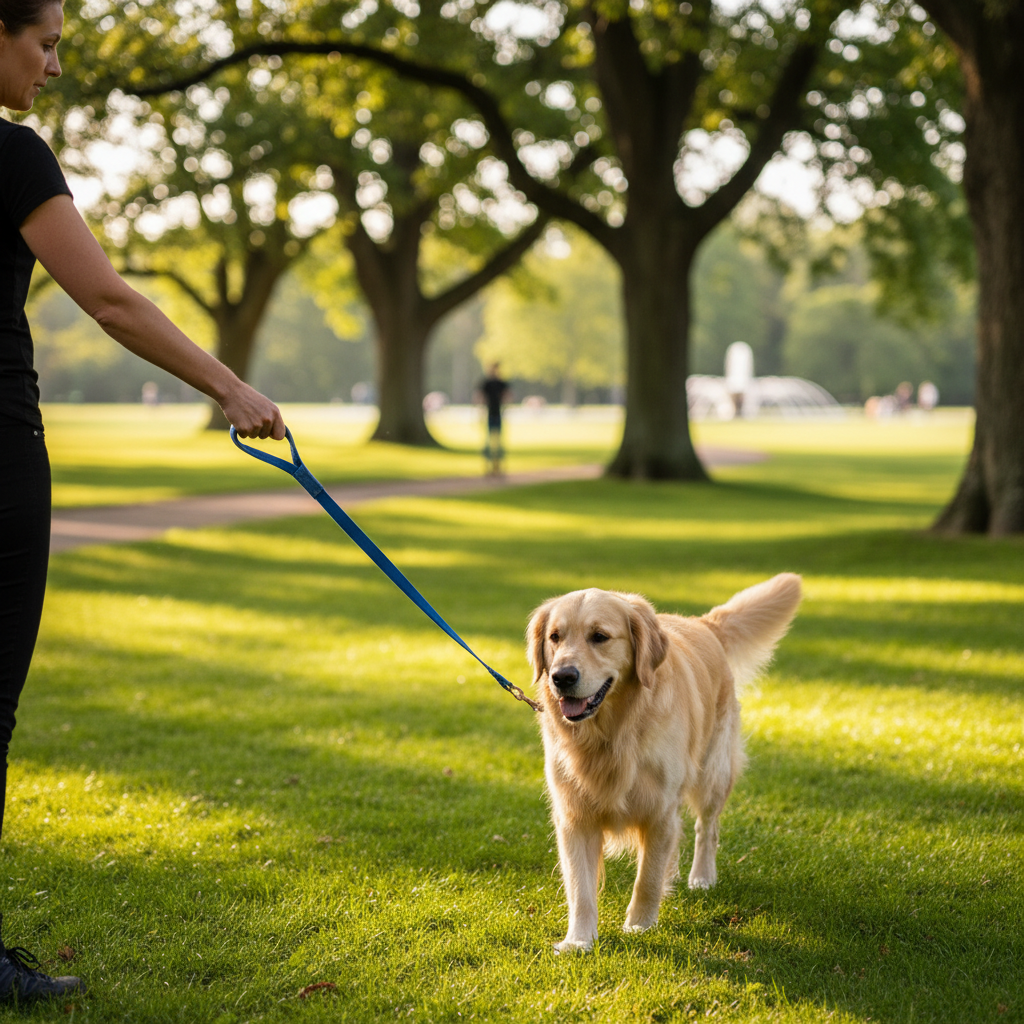
Welcome to the wonderful world of dog ownership! There is nothing quite like the excitement of grabbing a leash and seeing your furry friend's tail wag in anticipation of a walk. However, if you have ever stepped into a pet store, you know that choosing a dog leash can be surprisingly overwhelming. With so many materials, lengths, and styles available, how do you know which one is the best dog leash for your specific situation? Whether you are a first-time puppy parent or a seasoned dog lover, understanding the nuances of this essential tool is key to a happy and healthy relationship with your pet.
Before we dive into the technical details, it is important to remember that the right gear makes all the difference in your daily routine, so be sure to browse our collection to find the best dog leash for your pup's unique personality.
Understanding the Basics: What is a Dog Leash?
At its simplest, a dog leash is a cord or similar material attached to a collar or harness used to control and guide a dog. But beyond the physical connection, a leash serves as a communication line between you and your canine companion. It provides safety in busy areas, keeps your dog away from potential hazards, and is often a legal requirement in many public spaces. When you start understanding dogs and their natural instincts, you realize that a leash isn't just a restraint; it's a safety net.
The Purpose of a Leash
The primary purpose of a leash for dogs is safety. It prevents your dog from chasing after a squirrel into a busy street or approaching another dog that might not be friendly. It also allows you to guide your dog's movements during training sessions. A good leash helps you maintain control without causing discomfort to your pet.
Standard Materials
Most leashes are made from one of three materials: nylon, leather, or chain. Nylon is lightweight and affordable, leather is durable and comfortable for the handler's hands, and chain is often used for dogs that have a habit of chewing through their gear. Choosing the right material depends on your dog's weight, strength, and behavioral habits.
Exploring the Different Types of Dog Leashes
Not all leashes are created equal. Depending on whether you are hiking in the woods, walking through a crowded city, or training in your backyard, you will need a specific type of dog walking leash. Let's break down the most common options available today.
Standard Flat Leashes
The standard flat leash is the most common variety. Usually ranging from 4 to 8 feet in length, these are ideal for basic walking and training. For more help on selecting the right one, check out this dog leash guide to see which length fits your lifestyle.
Retractable Dog Leashes
A retractable dog leash allows your pet to wander further away while still staying connected. These consist of a thin cord that extends and retracts into a plastic handle. While popular for giving dogs freedom, they require careful handling to avoid rope burns or sudden jolts if the dog runs to the end of the line too quickly.
Long Lines and Training Leads
These are extra-long leashes, often 15 to 50 feet long. They are primarily used for distance training, such as teaching 'stay' or 'come' commands, allowing the dog to feel a sense of freedom while the owner maintains a safety link.
Adjustable Leashes
Adjustable leashes feature several loops or rings along the length, allowing you to shorten or lengthen the leash as needed. These are incredibly versatile for transitioning from a close-control city walk to a more relaxed park stroll.
Step-by-Step: How to Choose the Perfect Leash for Your Dog
Choosing a leash isn't just about picking a color you like. It involves evaluating your dog's size, age, and temperament. Follow these steps to make an informed decision.
Assess your dog's size and weight: Larger dogs require thicker, more durable materials with heavy-duty clips.
Determine the primary use: Will you be using it for daily walks, hiking, or intensive training?
Consider your dog's behavior: If your dog pulls, you might need a shorter leash or a specific training harness pairing.
Think about your own comfort: Look for padded handles if your dog tends to pull or if you enjoy long walks.
Check local leash laws: Some areas require leashes to be no longer than 6 feet in public spaces.
Special Considerations for Puppies
A puppy leash should be lightweight. Puppies are still developing their neck muscles and learning how to walk on a lead, so a heavy leather leash might be too cumbersome. Start with a light nylon leash to get them used to the sensation of being attached to you.
How to Use a Leash Safely and Effectively
Once you have your leash, using it correctly is the next step. Safety should always be your top priority. Proper leash handling ensures that neither you nor your dog gets injured during your outings.
The Proper Grip
Never wrap the leash tightly around your hand or wrist. If your dog lunges suddenly, this can cause serious injury to your fingers or arm. Instead, loop the handle over your thumb and fold the remaining length into your palm.
Walking on a Loose Lead
The goal of most dog owners is a 'loose lead walk.' This means the leash hangs in a 'J' shape between you and your dog. If the leash is tight, your dog is pulling, which can lead to stress for both of you. Training your dog to stay by your side requires patience and positive reinforcement.
Stop walking the moment the leash becomes tight.
Wait for your dog to look back at you or move closer to slacken the line.
Reward them with a treat when they walk calmly by your side.
Keep training sessions short and fun, especially for young dogs.
Maintenance and Care for Your Dog Leash
To ensure your dog leash remains safe and functional, regular maintenance is required. A broken leash in a high-traffic area can be a disaster, so preventative care is essential for every pet owner.
Cleaning Different Materials
Nylon leashes can usually be washed in a bowl of warm water with mild dish soap. Leather leashes require specialized leather cleaners and conditioners to prevent them from becoming brittle or cracking over time. Always air-dry your leashes; putting them in a dryer can damage the fibers or the metal hardware.
Inspecting for Wear and Tear
Once a week, perform a quick safety check. Look for fraying in the fabric, teeth marks from chewing, or rust on the metal clip. If the spring in the clip feels sticky or loose, it is time to replace the leash immediately. For more tips on keeping your pet's life high-quality, read our guide on maintaining a happy and healthy canine companion.
Conclusion
Choosing the right dog leash is one of the most important decisions you will make as a pet owner. It is the literal bond that keeps your dog safe while allowing them to explore the world with you. By understanding the different types of leashes—from the reliable standard lead to the flexible retractable dog leash—you can tailor your gear to your dog's specific needs and your own lifestyle. Remember that consistency and patience are the keys to successful leash walking.
We hope this guide has helped you feel more confident in selecting the best tool for your walks. Don't wait for your old gear to wear out; upgrade your walking experience and shop our selection to find the perfect dog leash today.
Frequently Asked Questions
What is the best length for a dog leash?
For most daily walks in urban or suburban areas, a 6-foot leash is considered the standard. It provides enough room for the dog to move but keeps them close enough for you to maintain control.
Are retractable leashes safe?
Retractable leashes can be safe in open, low-traffic areas, but they carry risks like rope burns or lack of control in emergencies. They are generally not recommended for high-traffic city walking or for dogs that haven't mastered leash manners.
Should I use a leash with a collar or a harness?
This depends on your dog. Harnesses are often better for dogs that pull as they distribute pressure across the chest rather than the neck. Collars are suitable for well-trained dogs that walk calmly.
How often should I replace my dog's leash?
You should replace a leash as soon as you see signs of fraying, cracking (in leather), or if the metal clasp becomes weak or rusty. Regular inspection is key to safety.
Can I use a long line for every walk?
Long lines (15-50 feet) are best reserved for training or play in open fields. Using them on a standard sidewalk walk can be dangerous for both the dog and passersby due to the trip hazard and lack of immediate control.
Comments