Choosing the Perfect Dog Home: A Complete Guide

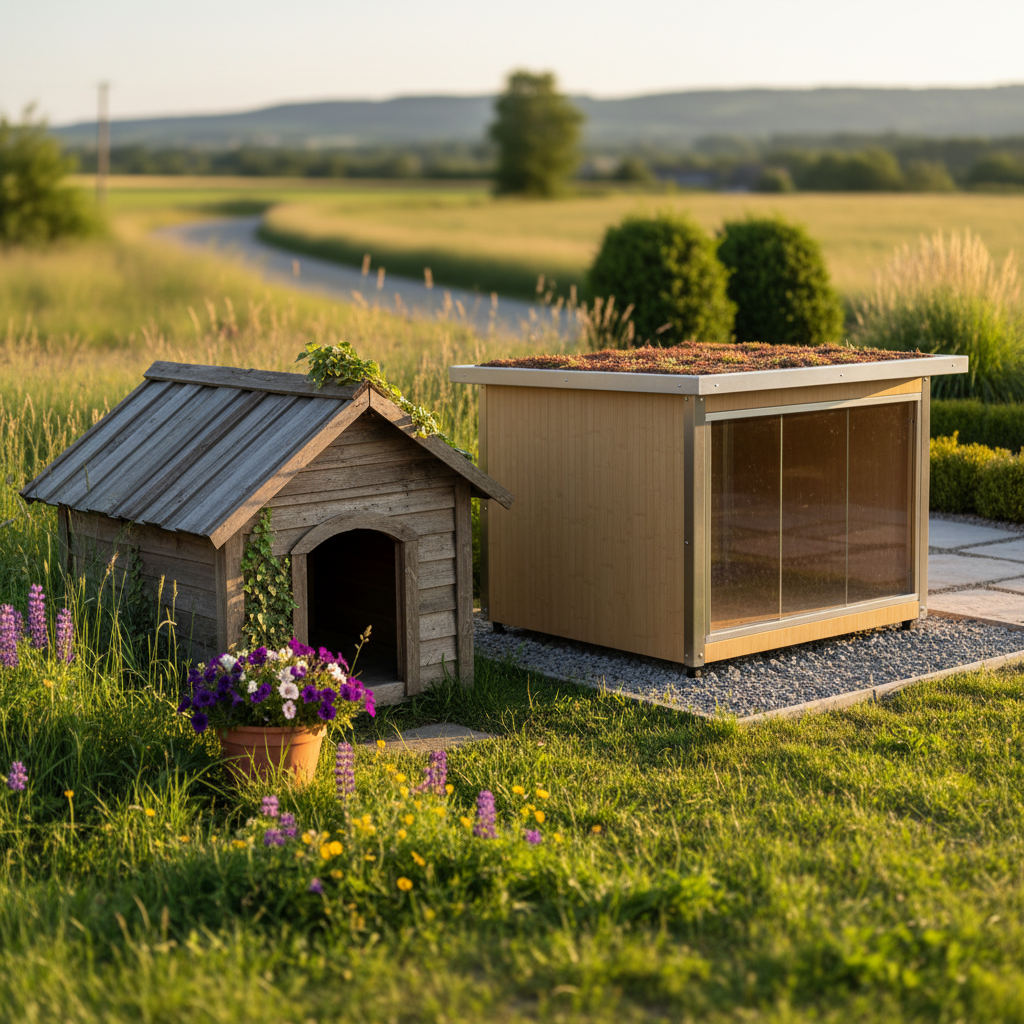
When you welcome a dog into your life, you aren't just gaining a pet; you are gaining a family member who looks to you for safety, comfort, and a sense of belonging. One of the most significant ways you can provide this is by investing in high-quality dog homes that cater to their specific needs. Whether your pup spends their time lounging in the living room or guarding the backyard, having a dedicated space to call their own is essential for their mental and physical well-being.
Before you start building or buying a new structure, it is helpful to have a deep [understanding of dogs](/blog/98e67f3b-5199-4986-942d-8b7f12840691) and their natural instincts for denning. If you are ready to upgrade your pet's living situation, you can browse our curated selection and find the perfect sanctuary for your furry friend today by visiting Your Link.
Understanding the Importance of Dog Homes
To a dog, a home is more than just a roof over their head. It is a sanctuary where they can retreat when they feel overwhelmed, a warm spot to sleep during chilly nights, and a cool refuge during the heat of summer. Historically, dogs are den animals, meaning they naturally seek out small, enclosed spaces where they feel protected from predators and the elements.
Psychological Benefits of a Dedicated Space
Having a specific dog house or crate helps reduce anxiety. When a dog has a consistent place to rest, they feel a sense of ownership and security. This is particularly important for rescue dogs or those with nervous temperaments who may need a 'safe zone' away from the hustle and bustle of a busy household.
Choosing Between Indoor and Outdoor Dog Homes
The first step in your journey is deciding where your dog will spend the majority of their time. While many owners prefer their pets to stay inside, an outdoor dog house can be a lifesaver for working breeds or those who enjoy spending hours in a fenced yard.
Indoor dog house: Focuses on aesthetics, comfort, and integration with home decor.
Outdoor dog house: Focuses on weatherproofing, insulation, and durability.
Hybrid options: Portable dog homes that can move from the patio to the bedroom.
The Essentials of a Great Outdoor Dog House
If your dog spends significant time outside, their shelter must be robust. An outdoor dog house needs to withstand rain, wind, and temperature fluctuations. Look for materials like cedar or high-quality plastic that won't rot or degrade quickly.
Insulation and Weatherproofing
A simple wooden box isn't enough. You should consider adding foam insulation to the walls and a heavy-duty flap over the door to keep out drafts. Elevating the floor off the ground is also crucial to prevent moisture from seeping in and to keep the interior dry during heavy storms.
Designing a Cozy Indoor Dog House
Indoor dog homes are becoming increasingly popular as furniture-style pieces. These often double as end tables or nightstands, allowing your pet to be close to you without a bulky plastic crate taking up space. When selecting an indoor dog house, prioritize ventilation and ease of cleaning.
Style Meets Function
You don't have to sacrifice your home's interior design for your pet's comfort. Modern dog homes come in various finishes, from sleek mid-century modern wood to soft, plush fabric teepees. Ensure the interior is large enough for your dog to turn around comfortably and lie down flat.
The Role of the Dog Crate in Training
Many people view a dog crate as a tool for confinement, but when used correctly, it is one of the best dog homes you can provide. It serves as a vital tool for potty training and prevents destructive behavior when you aren't home to supervise.
Choose a crate size based on your dog's adult dimensions.
Introduce the crate slowly with treats and positive reinforcement.
Never use the crate as a form of punishment.
Add a comfortable crate mat to make it inviting.
Step-by-Step: Selecting the Best Dog Homes
Finding the right fit requires more than just picking the prettiest option. Follow these steps to ensure you make the right investment for your pup's long-term happiness.
Measure your dog from nose to tail and from floor to the top of their head.
Determine the primary purpose (sleep, outdoor shelter, or travel).
Select a material that suits your climate (wood for insulation, plastic for easy cleaning).
Check for safety features like rounded edges and non-toxic finishes.
Read customer reviews to gauge durability and ease of assembly.
Material Matters: Wood vs. Plastic vs. Metal
The material of the dog house significantly impacts its lifespan and comfort level. Wood is the traditional choice for an outdoor dog house because it provides natural insulation. However, plastic is much easier to sanitize and is often more lightweight for moving around.
Pros and Cons of Wood
Wooden dog homes are aesthetically pleasing and stay cooler in summer and warmer in winter. The downside is that they require periodic staining or sealing to prevent rot and can be prone to flea infestations if not maintained properly.
Size and Scale: Getting the Dimensions Right
A common mistake is buying a dog house that is too large. While it might seem like you're giving them more 'room to grow,' a house that is too big won't retain the dog's body heat, making it cold in the winter. Conversely, a house that is too small will be cramped and uncomfortable.
As you consider the scale of your dog's environment, you might also be interested in understanding key differences between dogs and other pets, as their spatial needs differ greatly from cats or smaller animals.
Customizing Your Dog Shelter for Maximum Comfort
Once you have the basic structure, it's time to accessorize. A dog shelter should be more than just bare walls. Consider adding a high-quality orthopedic bed, especially for older dogs who may suffer from joint pain.
Heating pads: Specific for pets to prevent burns.
Cooling mats: Great for thick-coated breeds in the summer.
Automatic water dispensers: To ensure they stay hydrated.
Toy storage: To keep their favorite items within reach.
Seasonal Maintenance for Dog Homes
To ensure your pet's home lasts for years, you must perform regular maintenance. Every spring and fall, inspect the structure for any damage, such as loose boards, rust, or mold. Clean the interior with a pet-safe disinfectant to kill any bacteria or parasites.
Winterizing the Outdoor Dog House
When the temperature drops, you may need to add extra bedding like straw or specialized wood shavings. Avoid using blankets or towels in an outdoor dog house during winter, as they can absorb moisture from the air, freeze, and actually make the dog colder.
DIY vs. Store-Bought: Which is Best?
If you are handy with tools, building your own dog house can be a rewarding project that allows for total customization. You can match the paint to your own home and add unique features like a porch or a rooftop garden.
However, store-bought dog homes are often tested for safety and engineered for optimal airflow. If you choose to buy, look for brands that prioritize sustainable materials and have a reputation for durability.
Safety First: Avoiding Hazards in Dog Homes
Safety should be your top priority. Ensure there are no exposed nails, sharp edges, or small parts that could be chewed off and swallowed. If you are using a dog crate, make sure the wire spacing is appropriate for your dog's size so they don't get their paws or nose stuck.
Additionally, be mindful of where you place the home. Avoid areas with direct, harsh sunlight for many hours, and ensure there is no standing water nearby that could attract mosquitoes or cause the floor to rot.
Training Your Dog to Love Their New Home
Introducing a new dog house can be met with some hesitation. Start by placing their favorite toys or a piece of your clothing inside so the space smells familiar. Use positive reinforcement and never force them inside, as this can create a negative association with the shelter.
While you're working on making their home perfect, don't forget about their adventures outside! You should also look into our guide to find the perfect leash to ensure their time away from home is just as comfortable and safe.
Key Takeaways for Choosing Dog Homes
Select the right size: Ensure your dog can stand, turn, and lie down.
Prioritize insulation: Essential for both heat and cold protection.
Consider location: Place indoor homes in low-traffic areas and outdoor homes in shaded spots.
Maintenance is key: Clean and inspect the structure at least twice a year.
Safety check: Verify all materials are non-toxic and structurally sound.
Conclusion
Providing a high-quality home for your dog is one of the most rewarding things you can do as an owner. Whether it's a simple dog crate for sleeping or an elaborate outdoor dog house, these structures offer the security and comfort your pet deserves. By taking the time to understand their needs and maintaining their space, you ensure a happy, healthy life for your canine companion. If you're ready to make a choice, find the perfect sanctuary for your furry friend today and see the difference a dedicated space can make.
Frequently Asked Questions
What is the best material for an outdoor dog house?
Cedar wood is often considered the best material because it is naturally rot-resistant and provides excellent insulation. High-quality, UV-resistant plastic is also a great low-maintenance alternative.
How do I know if a dog house is the right size?
Your dog should be able to stand up, turn around in a full circle, and lie down comfortably. If the house is too large, it won't retain heat; if it's too small, it will be uncomfortable.
Should I put a bed inside an outdoor dog house?
Yes, but ensure it is a waterproof or outdoor-rated bed. In very cold climates, straw is often better than fabric because it doesn't hold moisture and provides better nesting insulation.
Are indoor dog houses necessary?
While not strictly necessary, they provide a sense of security and a dedicated 'den' for your dog, which can significantly reduce anxiety and help with house training.
How often should I clean my dog's home?
You should do a light cleaning weekly (removing hair and washing bedding) and a deep disinfection every few months to prevent odors and pests like fleas or ticks.
Can I use a dog crate as a permanent dog house?
A crate is excellent for sleeping and short periods of containment, but a dog should always have a larger area to move around in during the day if they are not being supervised.
Comments