Maximize Your House Design with These Tips

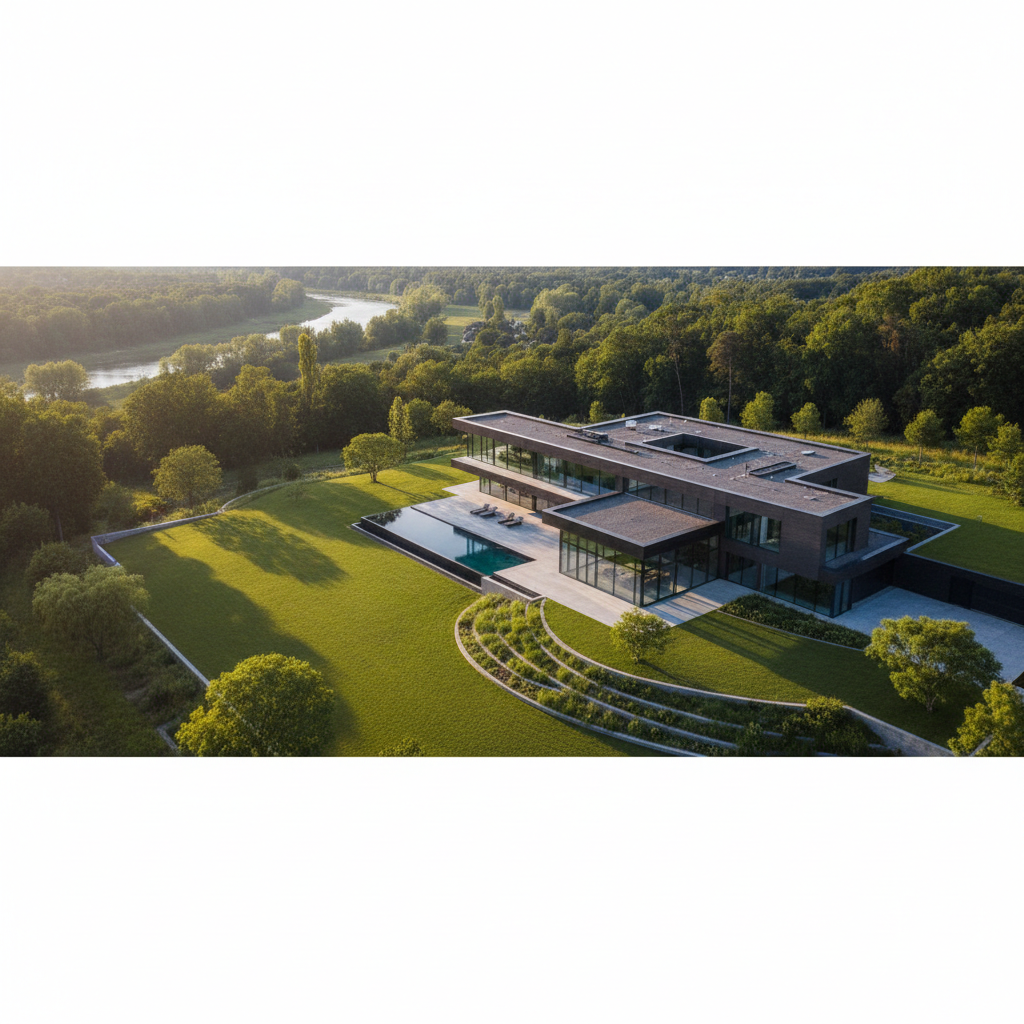
Creating a home is perhaps the most significant investment of time, emotion, and capital you will ever make. It is not merely about stacking bricks; it is about the intricate interplay between form and function, often referred to as house design. Whether you are building from the ground up or renovating a classic structure, understanding the fundamental principles of architectural design and interior aesthetics is essential for success.
Table of Contents
To ensure your project meets modern standards of excellence, you can explore our professional digital design services to visualize your dream home before construction begins.
01. Understanding the Foundations of Architectural Design
The skeleton of any great home lies in its architectural design. This phase involves more than just drawing walls; it requires a deep understanding of site orientation, structural integrity, and local zoning laws. You must consider how the building interacts with its environment, including natural light patterns and wind direction.
The Role of Structural Integrity
Every house design must prioritize safety and longevity. This involves choosing the right materials—be it timber, steel, or concrete—and ensuring the foundation is suited to the specific soil type of your land. Professional architects use advanced software to calculate load-bearing capacities and environmental stresses.
Site Analysis: Evaluating topography and drainage.
Schematic Design: Creating the initial rough sketches of project goals.
Design Development: Refining the sketches into detailed floor plans.
Construction Documents: Producing the technical drawings for builders.
02. The Evolution of Modern Home Design Trends
Home design has shifted significantly over the last decade, moving toward open-concept living and sustainable building practices. Today, the focus is on 'biophilic design,' which seeks to connect occupants more closely to nature through large windows, indoor gardens, and natural materials.
When planning your layout, you might also consider the needs of other residents in your household. For instance, if you have pets, you may want to look into choosing the right cat house or creating a dedicated space that blends seamlessly with your high-end interior design.
Design Style | Key Characteristics | Best For |
Minimalist | Clean lines, neutral palette | Small urban spaces |
Industrial | Exposed brick, metal accents | Lofts and modern builds |
Scandinavian | Functional, cozy, light wood | Family homes |
Contemporary | Bold shapes, current trends | Artistic expression |
03. Integrating Interior Design with Functionality
Interior design is often misunderstood as merely 'decorating.' In reality, it is the science of enhancing the interior of a building to achieve a healthier and more aesthetically pleasing environment. It involves spatial planning, color theory, and furniture ergonomics.
Color Theory and Mood
The colors you choose for your house design significantly impact your psychological well-being. Cool blues and greens promote tranquility in bedrooms, while warm yellows and oranges can stimulate appetite and conversation in dining areas. Professional design services often include detailed mood boards to help you visualize these palettes.
If you are expanding your design focus to include specialized areas, you might find inspiration in our comprehensive guide to dog homes, which applies similar principles of comfort and utility to pet-specific architecture.
04. Leveraging Digital Design and Graphic Design in Real Estate
In the modern era, digital design has revolutionized how we approach house design. 3D modeling and Virtual Reality (VR) allow you to walk through your home before a single brick is laid. This reduces costly errors and ensures that the final product matches your vision perfectly.
The Importance of Visual Communication
Graphic design also plays a role in the broader property industry. From high-quality brochures for luxury developments to the user interface of smart home systems, visual communication is key. Clear signage and intuitive layouts within a home are often the result of meticulous graphic and spatial planning.
3D Rendering: High-fidelity images of proposed designs.
BIM (Building Information Modeling): Intelligent 3D models for infrastructure.
Virtual Staging: Digitally placing furniture to visualize space.
CAD (Computer-Aided Design): Precise technical drawings.
05. Sustainable and Smart House Design
Sustainability is no longer an optional luxury; it is a requirement for modern house design. Incorporating passive solar heating, high-efficiency insulation, and smart home technology can significantly reduce your carbon footprint and monthly utility bills.
Feature | Benefit | Difficulty to Install |
Solar Panels | Renewable energy source | High |
Smart Thermostats | Optimized climate control | Low |
Greywater Systems | Water conservation | Moderate |
LED Lighting | Energy efficiency | Very Low |
06. Key Takeaways for Your Design Journey
Prioritize architectural design for long-term structural health.
Use digital design tools to minimize errors and visualize spaces.
Integrate interior design early in the process rather than as an afterthought.
Focus on sustainability to increase property value and reduce costs.
Ensure your design services provider understands both form and function.
07. Conclusion
Mastering house design is a multifaceted challenge that requires balancing art with engineering. By focusing on quality architectural design, leveraging modern digital design tools, and selecting the right interior accents, you can create a space that is both beautiful and functional. Remember that a home is a living entity that should evolve with your needs.
If you are ready to take the next step in your property journey, we invite you to start your project with our comprehensive digital design services for a professional finish.
Frequently Asked Questions
What is the first step in the house design process?
The first step is typically a site analysis and the creation of a design brief, where you outline your requirements, budget, and aesthetic preferences.
How does architectural design differ from interior design?
Architectural design focuses on the structure, exterior, and technical systems of the building, while interior design focuses on the lived experience, aesthetics, and functionality of the internal spaces.
Are digital design services worth the investment?
Yes, digital design tools like 3D rendering help identify potential flaws and allow for experimentation with layouts before construction, saving significant time and money.
Can I incorporate graphic design into my home?
Certainly. Graphic design elements appear in custom wallpapers, signage, smart home interfaces, and even the layout of gallery walls.
What makes a house design sustainable?
Sustainability involves using eco-friendly materials, optimizing natural light, ensuring high-quality insulation, and integrating renewable energy sources.
How do I choose the right design services for my project?
Look for a provider with a diverse portfolio, clear communication, and expertise in both the technical and creative aspects of home design.
Comments