How to Choose the Perfect Cat Home for Your Feline

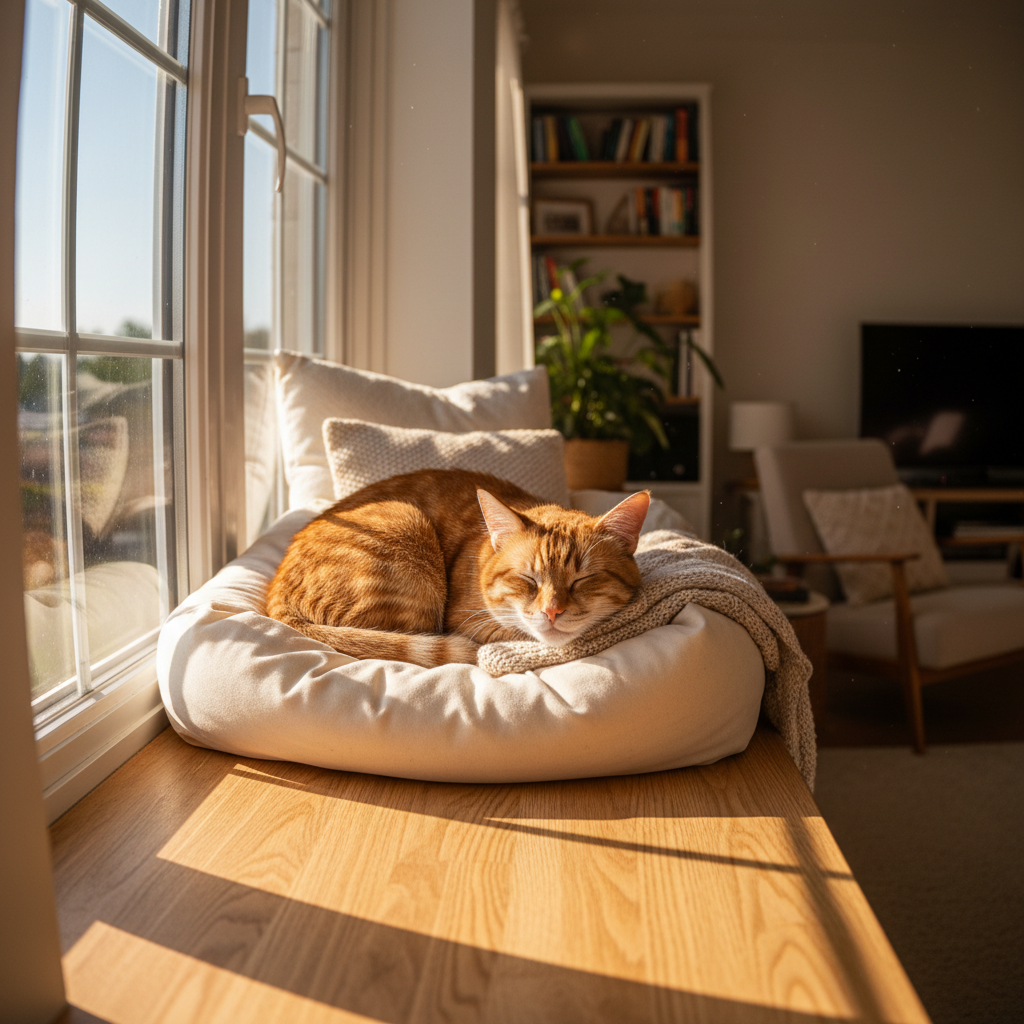
Every cat owner knows that a house isn't truly a home until a cat has claimed a corner of it as their own. Whether your feline companion is a high-energy kitten or a dignified senior, providing a dedicated cat home within your living space is essential for their emotional and physical well-being. Cats are territorial creatures that thrive when they have a secure, predictable environment where they can retreat, rest, and observe their world without interruption.
In this comprehensive guide, we will walk you through everything you need to know about selecting, building, and maintaining the best cat home for your furry friend. From understanding the psychological needs of your pet to exploring the differences between an indoor cat house and an outdoor cat house, we have curated the ultimate resource to help you become the best pet parent possible. Let’s dive into the world of feline architecture and discover how to create a sanctuary your cat will love.
01. Understanding the Importance of a Dedicated Cat Home
Before you start shopping or building, it is vital to understand why a cat home is more than just a piece of furniture. In the wild, cats are both predators and prey. This unique biological position means they have a deep-seated instinct to find enclosed spaces where they are hidden from potential threats while maintaining a clear view of their surroundings.
The Psychology of Feline Security
A dedicated cat house provides what behaviorists call a 'safe zone.' When a cat feels stressed by loud noises, unfamiliar guests, or even the vacuum cleaner, having a designated spot to retreat to helps lower their cortisol levels. This sense of ownership over a specific area reduces anxiety and can even prevent behavioral issues like inappropriate scratching or marking.
When understanding cats, you begin to realize that their environment dictates much of their personality. A cat with a secure home is often more confident and affectionate because they know they have a place where they are completely safe.
02. Choosing the Right Type: Indoor vs. Outdoor Solutions
The first major decision you will face is determining where the cat home will be located. The requirements for an indoor cat house differ significantly from those of an outdoor cat shelter. Each serves a specific purpose and requires different materials to be effective.
The Indoor Cat House: Comfort and Aesthetics
For indoor cats, the focus is on comfort, vertical space, and blending with your home decor. Indoor homes often feature soft fabrics, plush cushions, and multiple levels for climbing. Since temperature control isn't an issue, these can be made from breathable materials like felt, wicker, or light wood.
Soft-sided 'condos' for extra warmth
Wooden furniture-style houses that double as side tables
Wall-mounted shelves and pods to maximize vertical space
Cardboard 'playhouses' for temporary fun and scratching
The Outdoor Cat House: Protection and Durability
If you are caring for community cats or have an adventurous pet that spends time in the backyard, an outdoor cat house is a necessity. These must be weather-proof, insulated, and elevated off the ground to prevent moisture from seeping in. Safety from predators is also a top priority for outdoor designs.
When designing for cats, specifically for the outdoors, you must consider the local climate. A shelter in a rainy area needs a sloped roof and waterproof shingles, while a shelter in a snowy climate requires thick insulation like straw or specialized foam.
03. Key Features of the Best Cat Home
Not all cat houses are created equal. To ensure you are providing the best possible environment, look for these essential features regardless of whether you are buying or building.
Size and Accessibility
A common mistake is choosing a house that is too large. Cats prefer snug spaces because their own body heat can warm up a smaller area more efficiently. The house should be large enough for them to stand up, turn around, and stretch out, but small enough to feel cozy.
Entryways should be about 6 to 8 inches wide
Consider dual exits for outdoor shelters to prevent trapping by predators
Ensure the interior is easy for you to access for cleaning
Material Safety
Ensure that any paints, stains, or glues used are non-toxic. Cats often rub their cheeks against surfaces or may even nibble on the edges of their home. Avoid materials that splinter easily or fabrics with long loops that could catch a claw.
04. Step-by-Step Guide to a DIY Cat Home
Creating a diy cat home is a rewarding project that allows you to customize the shelter to your cat's specific needs. Here is a simple guide to building a sturdy, insulated outdoor or indoor shelter using basic materials.
Gather your materials: Two plastic storage bins (one slightly smaller than the other), reflective foil insulation, and straw (not hay).
Cut the entrance: Use a utility knife to cut a circular hole (roughly 6-7 inches) in the side of both bins. Ensure the holes align when the smaller bin is placed inside the larger one.
Insulate the base: Place a layer of insulation or a 2-inch layer of straw at the bottom of the larger bin.
Insert the inner bin: Place the smaller bin inside and fill the gaps between the two bins with more insulation or straw.
Add bedding: Put a generous layer of straw inside the inner bin. Avoid blankets or towels for outdoor homes as they absorb moisture and can freeze.
Secure the lids: Place the lid on the inner bin, then the outer bin. You can use duct tape to ensure the outer lid stays on during high winds.
For more inspiration on building projects, you can create a cozy cat house that fits perfectly in your living room using repurposed wooden crates or old furniture.
05. Placement Strategy: Where to Put Your Cat House
Location is everything. Even the most expensive, luxurious cat home will go unused if it is placed in an area where the cat feels vulnerable or bored. You must think like a cat to find the 'sweet spot' in your home or yard.
Indoor Placement Tips
For an indoor cat house, look for quiet corners that are still within sight of the family's main activities. Cats love to be 'socially distant'—they want to see you, but they don't necessarily want to be touched while they are resting. Placing the house near a window (but away from drafts) provides 'cat TV' in the form of birds and swaying trees.
Outdoor Placement Tips
Outdoor shelters should be placed in a protected area, such as under a porch or against a fence. Face the entrance away from prevailing winds to keep the interior warm. If possible, elevate the house on bricks or pallets to keep the floor dry during rainstorms.
06. Maintenance and Hygiene
A cat home is only effective if it remains clean and healthy. Over time, hair, dander, and outside dirt can accumulate, leading to odors or even flea infestations. Regular maintenance is key to keeping the sanctuary inviting.
Weekly: Vacuum the interior and wash any removable fabric covers.
Monthly: Wipe down hard surfaces with a pet-safe disinfectant.
Seasonally: For outdoor homes, replace the straw bedding and check for structural integrity or leaks.
Annually: Perform a deep clean and check for any wear and tear that could pose a safety risk.
Remember that a clean environment goes hand-in-hand with a healthy diet. To keep your cat in top shape, consider choosing the best cat food that supports their skin and coat health, which in turn keeps their bedding cleaner for longer.
07. Customizing for Multiple Cats
If you live in a multi-cat household, the dynamics of a cat home change. While some bonded pairs might enjoy snuggling together, most cats prefer their own individual spaces. For more insights on managing multiple pets, you might find our cats vs dogs analysis helpful in understanding how different species share space.
When providing homes for multiple cats, ensure you have 'N+1' houses, where N is the number of cats. This prevents competition and ensures that even the lowliest cat in the social hierarchy has a place to rest without being bullied.
08. Key Takeaways for Your Cat Home Journey
Safety and security are the primary reasons cats need a dedicated home.
Indoor houses should focus on verticality and comfort; outdoor houses require weatherproofing and insulation.
The ideal size is snug—just enough for the cat to turn around and retain body heat.
Never use blankets in outdoor winter shelters; use straw instead.
Placement is crucial: choose quiet, elevated, or protected areas.
Regular cleaning prevents odors and parasites.
09. Conclusion
Creating the perfect cat home is one of the most impactful things you can do for your pet's quality of life. Whether you choose a high-end designer indoor cat house or build a simple diy cat home for the neighborhood strays, you are providing more than just shelter—you are providing peace of mind. By considering their natural instincts for safety, warmth, and observation, you can transform your living space into a true feline paradise.
We hope this guide has given you the confidence and inspiration to find or build the perfect sanctuary. Your cat's purrs of contentment will be all the thanks you need. Happy building!
Frequently Asked Questions
What is the best material for an outdoor cat house?
For outdoor shelters, cedar wood or heavy-duty plastic are the best materials because they are rot-resistant and provide good protection against the elements. Always use straw for bedding rather than blankets, as straw doesn't hold moisture.
How do I get my cat to actually use their new cat home?
Try placing some catnip or their favorite treats inside the house. You can also place a piece of your clothing inside so it smells familiar. Ensure the house is in a quiet location where they already like to hang out.
Do cat houses need two doors?
For indoor houses, one door is usually fine. However, for an outdoor cat house, having two exits is highly recommended so the cat can escape if a predator or another aggressive animal tries to enter.
Is it better to buy or DIY a cat home?
It depends on your budget and needs. Buying is convenient and often more stylish for indoor use. DIY allows for custom insulation and sizing, which is often better and more cost-effective for outdoor shelters.
How high should I place an indoor cat house?
Cats love height! Placing a cat home on a sturdy shelf or using a multi-level cat tree allows them to observe their surroundings from a position of power, which significantly reduces their stress.
Can two cats share one house?
Only if they are very closely bonded. Most cats are solitary sleepers and prefer their own space. It is always safer to provide multiple houses to avoid territory disputes.
Comments